Buy luxury homes is more than just a transaction; it’s a journey into aspiration, status, and a distinct lifestyle. This exploration delves into the psychological allure, the meticulous planning, and the exquisite details that define the acquisition of high-value residences. Prepare to uncover the multifaceted motivations and strategic considerations that pave the way to owning a piece of unparalleled elegance.
We will navigate the intricate process from understanding the deep-seated desires that drive individuals towards opulent living to the practical steps required for a successful acquisition. Discover the architectural marvels, financial strategies, and negotiation nuances that are integral to securing your dream property.
The Deeper Motivations Behind Luxury Home Acquisition
The pursuit of a luxury home extends far beyond the basic human need for shelter. It taps into a complex interplay of psychological drivers, intrinsic motivations, and deeply ingrained aspirational desires that shape an individual’s decision-making process. While financial capacity is a prerequisite, the true impetus often lies in the emotional and social benefits that such properties promise. This journey is less about acquiring bricks and mortar and more about cultivating a lifestyle, achieving a sense of self-worth, and solidifying one’s place within a desired social echelon.At its core, the desire for opulent residences is fueled by a profound need for self-expression and the external validation of success.
Owning a luxury home becomes a tangible representation of hard work, achievement, and personal accomplishment. It’s a physical manifestation of one’s journey, a testament to the sacrifices made and the goals attained. This sense of achievement is not merely superficial; it contributes significantly to an individual’s self-esteem and overall psychological well-being. The ability to afford and inhabit such a dwelling can foster a profound sense of pride and contentment, reinforcing a positive self-image.
Furthermore, luxury homes often embody a certain aesthetic and craftsmanship that appeals to a refined sensibility, offering an environment that is not only comfortable but also intellectually and emotionally stimulating.
Intrinsic Motivations and Aspirational Desires
The decision to purchase a luxury home is deeply rooted in a set of intrinsic motivations and aspirational desires that transcend practical considerations. These drivers are often subconscious, shaping preferences and guiding choices towards properties that resonate on a deeper emotional level.
Browse the multiple elements of beach houses for sale in florida to gain a more broad understanding.
- Self-Actualization and Personal Fulfillment: For many, a luxury home represents the pinnacle of personal achievement, a space where they can fully realize their potential and live out their ideal lifestyle. It’s about creating an environment that perfectly reflects their tastes, values, and aspirations, offering a sanctuary for personal growth and rejuvenation.
- Legacy and Inheritance: The desire to build a lasting legacy for future generations is a powerful motivator. A prestigious address and a well-crafted residence can become a symbol of family heritage, passed down as a valuable asset and a source of pride for descendants.
- Aesthetic Appreciation and Sensory Experience: Luxury homes are often designed with meticulous attention to detail, using high-quality materials and incorporating sophisticated architectural elements. This appeals to individuals who possess a strong appreciation for beauty, art, and fine craftsmanship, seeking an environment that is visually stunning and offers a rich sensory experience.
- Comfort, Security, and Well-being: Beyond the tangible aspects, luxury homes are designed to provide unparalleled comfort and security. This includes advanced smart home technology, robust security systems, and amenities that promote health and wellness, such as private spas, gyms, and tranquil gardens. This focus on well-being contributes to a reduced stress level and an enhanced quality of life.
Emotional Fulfillment and Perceived Social Standing
The emotional fulfillment derived from owning a luxury home is intrinsically linked to the perceived social standing it confers. This association is a significant factor in the purchase journey, influencing not only the selection of a property but also the pride and satisfaction associated with its ownership.
The acquisition of a luxury residence is often an externalization of internal success, a visible marker that resonates with both the owner and their social circle.
This perceived social standing can manifest in several ways:
- Belonging to an Elite Community: Luxury homes are frequently located in exclusive neighborhoods or enclaves, fostering a sense of belonging to a select community. This shared environment can lead to opportunities for networking, social engagement, and the formation of meaningful relationships with like-minded individuals.
- Enhanced Self-Esteem and Confidence: The prestige associated with owning a high-value property can significantly boost an individual’s self-esteem and confidence. It serves as a constant reminder of their accomplishments and their ability to attain the finer things in life, fostering a sense of empowerment.
- A Platform for Entertaining and Socializing: Luxury homes are often designed with expansive living areas, state-of-the-art kitchens, and sophisticated entertainment spaces, making them ideal for hosting guests. This ability to entertain with style and grandeur contributes to social satisfaction and strengthens personal relationships.
- A Sense of Exclusivity and Uniqueness: Many luxury properties are unique, offering bespoke designs and features that set them apart from conventional homes. This sense of exclusivity appeals to individuals who value individuality and wish to express their distinct personality through their living space.
Long-Term Psychological Benefits and Sense of Accomplishment
The psychological benefits of securing a prestigious address extend far beyond the initial thrill of acquisition, offering enduring advantages that contribute to a profound sense of accomplishment and long-term well-being.
- Sustained Self-Worth and Validation: Unlike fleeting pleasures, the ownership of a luxury home provides a continuous source of validation and reinforces a sense of self-worth. It acts as a tangible and constant reminder of one’s capabilities and achievements, contributing to a stable and positive self-perception over time.
- A Sanctuary for Stress Reduction and Well-being: The meticulously designed environments of luxury homes, often featuring serene landscaping, private amenities, and high-quality finishes, create a sanctuary conducive to relaxation and stress reduction. This personal retreat allows individuals to recharge and maintain their mental and emotional equilibrium.
- A Legacy of Achievement for Future Generations: The long-term psychological impact is also felt through the creation of a lasting legacy. A luxury home represents not just personal success but also a valuable asset and a symbol of prosperity that can be passed down, instilling a sense of pride and accomplishment in future generations.
- Encouragement for Continued Growth and Ambition: The attainment of such a significant goal can act as a powerful catalyst for continued ambition. It demonstrates that lofty aspirations are achievable, motivating individuals to set new goals and pursue further personal and professional growth. This cycle of achievement and aspiration fosters a dynamic and fulfilling life trajectory.
Architectural Grandeur and Innovative Features in Luxury Residences: Buy Luxury Homes
The allure of a luxury home extends far beyond its prime location or the prestige it confers. At its core, a truly exceptional residence is a masterpiece of design, a testament to meticulous craftsmanship, and a harmonious blend of timeless aesthetics and cutting-edge innovation. The architectural landscape of expensive domiciles is a vibrant tapestry woven from diverse styles, each offering a unique narrative of elegance, sophistication, and unparalleled comfort.
These homes are not merely structures; they are curated experiences, designed to inspire and delight their discerning owners.The world of luxury real estate showcases a breathtaking spectrum of architectural expressions, each reflecting a distinct era, philosophy, and a profound appreciation for artistry. From the enduring grandeur of classical designs to the sleek minimalism of contemporary masterpieces, these homes offer a rich vocabulary of form, texture, and space.
The selection of an architectural style is a crucial element in defining a property’s character and its ability to resonate with the aspirations of its inhabitants, transforming a house into a personal sanctuary.
Classical and Traditional Architectural Styles
The enduring appeal of classical and traditional architectural styles in luxury homes lies in their inherent sense of permanence, symmetry, and refined elegance. These designs often draw inspiration from historical periods, reinterpreting their iconic elements for a modern context.
For descriptions on additional topics like sell from home, please visit the available sell from home.
- Neoclassical: Characterized by grand proportions, symmetrical facades, and the use of columns, pediments, and classical motifs. Think of stately mansions with sweeping driveways, manicured gardens, and an imposing, yet welcoming, presence. These homes often feature formal living spaces, elegant ballrooms, and meticulously detailed interiors that evoke a sense of historical gravitas.
- Georgian and Federal: These styles emphasize balance and order, with a focus on proportion and understated ornamentation. They typically feature symmetrical layouts, brick or stone exteriors, and balanced window arrangements. Interiors often showcase intricate millwork, elegant fireplaces, and a sense of refined domesticity.
- Mediterranean and Italianate: These styles bring warmth and romance, often featuring stucco exteriors, terracotta roof tiles, arched windows and doorways, and wrought-iron details. Courtyards, fountains, and lush landscaping are common, creating an ambiance of relaxed sophistication and an indoor-outdoor living experience.
Modern and Contemporary Architectural Visions
In contrast to the historical reverence of classical styles, modern and contemporary architecture in luxury homes embraces clean lines, open-plan living, and a bold integration with the surrounding environment. These designs prioritize functionality, natural light, and a seamless flow between interior and exterior spaces.
- Modernism: This movement, popular in the mid-20th century, is defined by its rejection of ornamentation, emphasis on function, and use of materials like steel, glass, and concrete. Luxury modernist homes often feature flat roofs, expansive windows, and an honest expression of structural elements.
- Contemporary: A broad category, contemporary architecture is characterized by its current-day design trends. This can include minimalist aesthetics, dramatic cantilevered structures, the innovative use of sustainable materials, and a strong connection to the natural landscape. Expect flowing spaces, an abundance of natural light, and a sophisticated, uncluttered feel.
- Deconstructivism: While less common, some avant-garde luxury homes embrace deconstructivist principles, featuring fragmented forms, sharp angles, and a sense of controlled chaos. These properties are true architectural statements, pushing the boundaries of conventional design.
Bespoke Craftsmanship, Premium Materials, and Innovative Design
The very definition of luxury is intrinsically linked to the quality of its execution and the materials employed. Bespoke craftsmanship is not merely about assembly; it is about artistry and a deep understanding of form and function.
- Artisan Craftsmanship: From hand-carved millwork and custom cabinetry to intricate metalwork and bespoke lighting fixtures, the dedication of skilled artisans elevates a property from ordinary to extraordinary. These details are often one-of-a-kind, reflecting the owner’s unique taste and the builder’s commitment to excellence.
- Exquisite Materials: The selection of materials is paramount. Think of rare hardwoods, natural stones like marble and granite sourced from prestigious quarries, artisanal plaster finishes, and high-performance glass. These materials not only offer aesthetic appeal but also ensure durability and a tangible sense of quality.
- Innovative Design Elements: Luxury homes often incorporate groundbreaking design features that enhance livability and visual impact. This can include dramatic double-height living spaces, expansive retractable glass walls that blur the lines between indoors and outdoors, custom-designed water features, and integrated art installations.
Integration of Smart Technology, Sustainability, and Advanced Security
The modern luxury residence is a sophisticated ecosystem, seamlessly integrating advanced technology, sustainable practices, and robust security measures to offer unparalleled comfort, convenience, and peace of mind.
- Smart Home Automation: This encompasses a comprehensive network of interconnected systems that control lighting, climate, entertainment, and security through intuitive interfaces, often voice-activated or accessible via mobile devices. Imagine adjusting your home’s ambiance from anywhere in the world.
- Sustainable Features: Increasingly, luxury homeowners are prioritizing environmental responsibility. This translates into the incorporation of energy-efficient appliances, solar power generation, advanced insulation, greywater recycling systems, and the use of eco-friendly building materials. These features not only reduce environmental impact but also contribute to long-term cost savings.
- Advanced Security Systems: Premium residences are equipped with state-of-the-art security measures, including multi-layered surveillance systems, biometric access controls, integrated alarm networks, and sophisticated perimeter detection. These systems are designed to provide a secure and private environment for residents and their families.
Exploring the Critical Financial Planning and Investment Strategies for Affording and Maintaining Extravagant Abodes
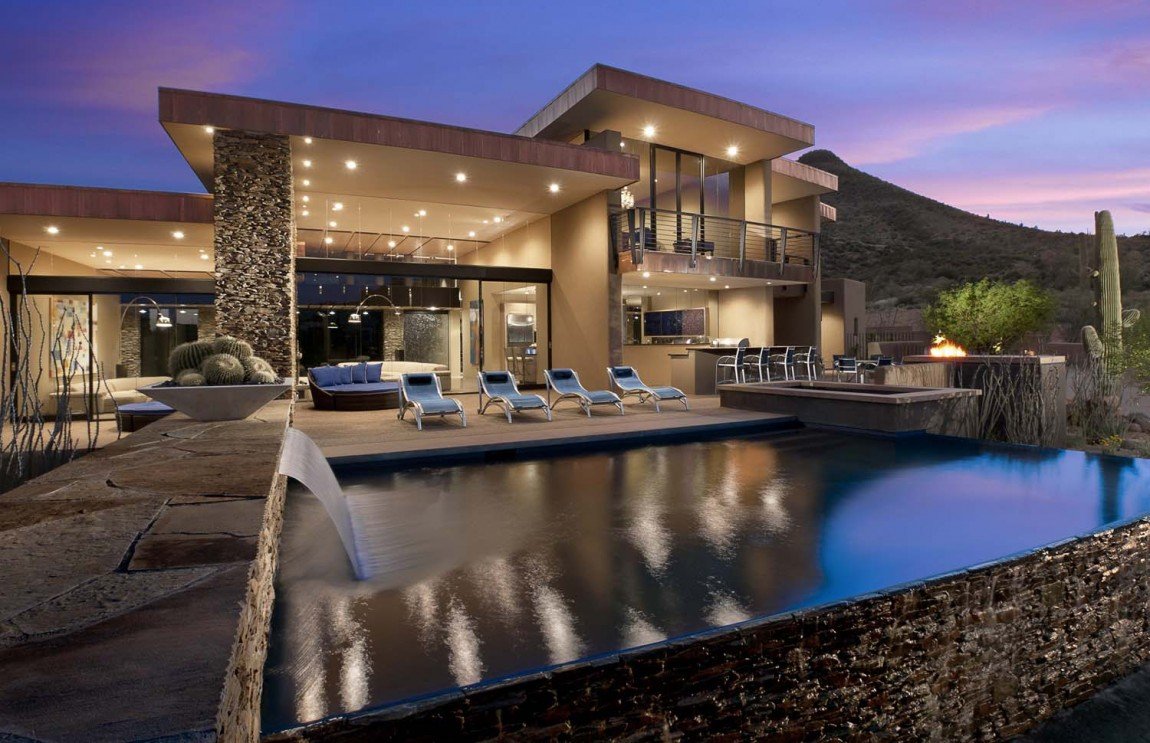
Acquiring a luxury home is a significant undertaking, extending far beyond the initial purchase price. It demands meticulous financial planning and astute investment strategies to ensure not only the acquisition but also the sustained enjoyment and upkeep of such an extravagant abode. This involves a comprehensive understanding of financing intricacies, ongoing financial commitments, and the long-term financial viability of luxury real estate as an investment.
Financing Options and Mortgage Considerations for High-Value Properties, Buy luxury homes
The pathway to owning a luxury residence often involves specialized financing avenues that differ from standard home loans. Understanding these options is paramount for a smooth and successful acquisition. Lenders often have specific requirements and offer tailored products for high-net-worth individuals and those seeking to finance substantial property values.
- Jumbo Mortgages: These are loans that exceed the conforming loan limits set by government-sponsored enterprises like Fannie Mae and Freddie Mac. For luxury properties, which frequently surpass these limits, jumbo mortgages are the standard. They typically require higher credit scores, substantial down payments (often 20% or more), and more rigorous income verification. Lenders scrutinize debt-to-income ratios closely, often preferring them to be lower than for conventional loans.
- Portfolio Loans: Some banks, particularly those with private banking divisions, offer portfolio loans. These loans are held on the bank’s own books rather than being sold on the secondary market. This allows lenders more flexibility in structuring terms and underwriting, potentially accommodating unique financial situations or property characteristics that might not fit standard jumbo loan criteria.
- Cash Purchases: While not a financing option in the traditional sense, a significant number of luxury homes are purchased with cash. This streamlines the transaction, eliminates interest payments, and can sometimes provide leverage in negotiations. However, it requires substantial liquid assets and a careful consideration of the opportunity cost of tying up such capital.
- Asset-Based Lending: For individuals with substantial investment portfolios, asset-based lending can be an option. This involves leveraging existing assets, such as stocks, bonds, or other securities, to secure a loan. The advantage here is that it allows individuals to maintain ownership of their investments while still accessing funds for a property purchase, potentially avoiding the need to sell assets at an inopportune time.
- Loan-to-Value (LTV) Ratios: Luxury property financing often involves lower LTV ratios. This means a larger down payment is typically required. For instance, a 30% down payment on a $5 million property is $1.5 million, a substantial sum that underscores the financial commitment.
- Interest Rate Considerations: While interest rates on jumbo mortgages can be competitive, they may sometimes be slightly higher than conforming loan rates due to the increased risk for lenders. However, for well-qualified borrowers, the rates can still be very attractive, especially in a favorable economic climate.
Ongoing Financial Commitments Beyond the Purchase Price
The allure of a luxury home often overshadows the significant ongoing financial obligations that come with ownership. These recurring costs are critical to factor into long-term financial planning and can substantially impact lifestyle choices.
- Property Taxes: Luxury properties, with their higher valuations, invariably incur higher property taxes. These taxes are levied by local governments and can represent a substantial annual expense. For a property valued at $5 million with a hypothetical tax rate of 1.5%, the annual property tax bill would be $75,000.
- Homeowner’s Insurance: Insuring a high-value property requires specialized and often more expensive homeowner’s insurance policies. These policies need to cover not only the structure but also high-end finishes, valuable contents, and potentially liability associated with extensive grounds or amenities. Premiums can be significantly higher than for standard homes.
- Maintenance and Repairs: Maintaining a luxury residence, with its sophisticated systems, extensive landscaping, and premium materials, is a continuous and often costly endeavor. This includes regular servicing of HVAC systems, pool maintenance, landscaping, and potential repairs to high-end finishes. Budgeting for an annual maintenance fund, perhaps 1-2% of the property’s value, is a prudent approach. For a $5 million home, this could mean $50,000 to $100,000 annually.
- Utilities: Larger homes with advanced features, extensive lighting, and climate control systems naturally consume more energy, leading to higher utility bills.
- Staffing Costs: Many luxury homes necessitate the employment of staff, such as housekeepers, gardeners, or even personal assistants. These salaries, benefits, and associated taxes represent a significant recurring expense.
- Lifestyle Adjustments: Owning and maintaining a luxury home often necessitates a certain lifestyle. This can include entertaining, travel, and the acquisition of high-end furnishings and amenities, all of which contribute to the overall cost of ownership.
Framework for Evaluating Long-Term Financial Viability and Potential Return on Investment
Acquiring a luxury property can be viewed not only as a personal sanctuary but also as a significant investment. A robust framework for evaluating its long-term financial viability is essential to ensure it aligns with broader financial goals.
The evaluation process should consider both the potential for appreciation and the income-generating capabilities, alongside the costs of ownership. This requires a forward-looking perspective that accounts for market trends, economic conditions, and personal financial objectives.
Investment Framework Components:
| Component | Description | Considerations |
|---|---|---|
| Market Analysis | Assessing the current and projected real estate market trends in the specific location. | Historical appreciation rates, supply and demand dynamics, local economic growth, and future development plans. |
| Appreciation Potential | Estimating the likelihood of the property’s value increasing over time. | Factors like prime location, unique architectural value, scarcity of similar properties, and potential for future enhancements. |
| Rental Yield/Income Generation | Evaluating the potential to generate income through short-term or long-term rentals. | Demand for luxury rentals in the area, potential rental rates, occupancy rates, and management costs. For example, a property in a prime tourist destination might offer significant short-term rental income, while a property in a business hub might be better suited for long-term corporate rentals. |
| Cost of Ownership Analysis | A detailed projection of all recurring expenses associated with the property. | Property taxes, insurance, maintenance, utilities, potential HOA fees, and any staff costs. This should be factored in to determine the net return. |
| Liquidity and Exit Strategy | Considering how easily the property can be sold and the potential costs associated with selling. | Market conditions at the time of sale, marketing costs, agent commissions, and capital gains taxes. A well-planned exit strategy ensures that the investment can be realized efficiently. |
| Personal Financial Goals Alignment | Ensuring the investment aligns with overall financial objectives, such as wealth preservation, capital growth, or legacy planning. | Diversification of assets, risk tolerance, and the role the property plays within a broader investment portfolio. |
For instance, consider a scenario where a luxury property is acquired for $10 million. If the market analysis suggests an average annual appreciation of 5%, the property could be worth approximately $16.3 million after 10 years, before accounting for costs. However, if the annual costs of ownership (taxes, insurance, maintenance) average $200,000, this significantly impacts the net return. If the property can also generate $300,000 annually in rental income, this offsets a portion of the ownership costs and enhances the overall return on investment.
A detailed financial model, incorporating these variables, is crucial for informed decision-making.
Uncover the subtle yet impactful negotiation tactics employed in securing the most advantageous terms when acquiring exclusive properties.
Acquiring a luxury home is more than just a financial transaction; it’s a high-stakes negotiation where understanding market nuances and seller psychology is paramount. The ability to navigate these complex discussions with skill and insight can significantly influence the final price, terms, and overall satisfaction of the purchase. This involves a delicate dance of information, strategy, and communication, aimed at achieving the most favorable outcome for the discerning buyer.The art of negotiation in luxury real estate is deeply intertwined with a thorough understanding of market dynamics and seller motivations.
Sellers of high-end properties often have specific emotional and financial drivers. Some may be eager to sell quickly due to lifestyle changes, while others might be less pressed, setting a higher initial price and being more resistant to significant reductions. Recognizing these underlying motivations allows a buyer to tailor their approach, whether by emphasizing speed and certainty of closing or by patiently waiting for the right opportunity.
Market data, including recent comparable sales, days on market for similar properties, and current inventory levels, forms the bedrock of any strong negotiation position. A well-informed buyer can confidently justify their offer, demonstrating a clear understanding of the property’s true market value.
Presenting Offers and Counter-Offers
The initial offer is a critical juncture in the negotiation process, setting the tone for subsequent discussions. It should be presented not merely as a number, but as a comprehensive proposal reflecting a serious commitment and a deep understanding of the property and its market context. This includes outlining clear financing arrangements, proposed closing timelines, and any necessary due diligence periods.
When crafting an offer, consider the following strategies:
- Strategic Initial Offer: While it’s tempting to start low, an offer that is perceived as unrealistic can alienate the seller. A well-researched offer, typically within a reasonable range of the asking price but with room for negotiation, demonstrates respect and seriousness.
- Leveraging Market Data: Back your offer with solid comparable sales data, recent appraisals (if available), and insights into the property’s condition and any potential upcoming maintenance needs. This provides objective justification for your valuation.
- Flexible Terms: Beyond price, consider offering flexibility on closing dates, possession schedules, or even including certain high-value furnishings if it aligns with the seller’s needs.
- Professional Presentation: An offer should be meticulously prepared, often through a qualified real estate agent, ensuring all legalities are addressed and presented in a clear, professional manner.
Counter-offers require a similar strategic approach. Instead of a flat rejection or an equally aggressive counter, consider a phased approach. If the seller’s counter is higher than anticipated, a response that acknowledges their position while reiterating your concerns and perhaps offering a slight increase, tied to a specific condition, can be effective.
Addressing Contingencies and Pitfalls
Contingencies are standard components of real estate transactions, designed to protect the buyer. However, in the luxury market, how they are managed can be a point of negotiation.
- Financing Contingency: For luxury properties, securing pre-approval from a lender specializing in high-net-worth individuals is crucial. Demonstrating strong financial standing and a clear path to funding can make your offer more attractive, potentially allowing for a shorter or even waived financing contingency if your financial position is exceptionally robust.
- Inspection Contingency: Luxury homes often have complex systems (HVAC, electrical, plumbing, smart home technology). A thorough inspection by specialists is vital. Be prepared to negotiate based on the inspection report, focusing on significant structural or system issues rather than minor cosmetic concerns.
- Appraisal Contingency: Ensure your offer is aligned with a realistic appraisal. If the appraisal comes in lower, you have grounds to renegotiate the price or potentially walk away.
Common negotiation pitfalls to avoid include:
- Emotional Attachment: Allowing personal feelings for the property to cloud judgment can lead to overpaying or making concessions that are not financially sound.
- Lack of Preparation: Entering negotiations without thorough market research or a clear understanding of your financial limits is a recipe for disaster.
- Aggressive or Demanding Tactics: While assertiveness is necessary, an overly aggressive approach can shut down communication and damage the relationship with the seller or their representative.
- Ignoring Seller Motivations: Failing to understand why the seller is selling can lead to missed opportunities for creative deal-making.
Best practices for maintaining a professional and successful dialogue involve open and honest communication, active listening, and a willingness to find mutually agreeable solutions. Professionalism, respect, and a clear understanding of your objectives are the cornerstones of successful negotiation in the exclusive property market.
“The highest form of negotiation is not about winning an argument, but about creating value for all parties involved.”
This principle is particularly relevant in luxury real estate, where maintaining relationships and ensuring a smooth transition is as important as the financial outcome.
Illuminate the significance of location and neighborhood desirability when selecting a premier residence.
The acquisition of a luxury home is a monumental decision, and while the architectural marvels and innovative features often capture the initial attention, the true essence of a premier residence is inextricably linked to its location and the desirability of its neighborhood. This foundational element dictates not only the immediate lifestyle of the owner but also the long-term value and investment potential of the property.
A prime location transcends mere geography; it encompasses a curated blend of accessibility, exclusivity, and a reputation that resonates with discerning buyers. Understanding these nuances is paramount for making an informed and ultimately rewarding investment in the high-end real estate market.The factors that contribute to a prime location for luxury homes are multifaceted, weaving together a tapestry of convenience, prestige, and an environment conducive to an elevated lifestyle.
Proximity to world-class amenities is a cornerstone, encompassing not just essential services but also exclusive recreational and cultural offerings. This includes easy access to renowned dining establishments, high-end retail districts, private clubs, cultural institutions like theaters and art galleries, and championship golf courses. Furthermore, the presence of top-tier educational facilities, both for younger families and for continuing education, can significantly enhance a location’s appeal.
Beyond immediate conveniences, exclusivity plays a crucial role. This often translates to a sense of privacy and security, achieved through gated communities, limited access points, and a lower density of residences. The reputation of a neighborhood is equally vital; it speaks to the caliber of its residents, the aesthetic appeal of its streets, and the overall sense of community pride.
A neighborhood with a strong, positive reputation often signifies a stable, affluent demographic, which in turn supports property values and attracts further investment.
Environmental Factors and Accessibility
The surrounding environment and accessibility profoundly influence the overall value and appeal of a high-end property, often contributing significantly to its desirability and price point. Breathtaking views, whether of expansive ocean vistas, majestic mountain ranges, verdant rolling hills, or a glittering cityscape, can elevate a property from luxurious to truly extraordinary. These natural or man-made panoramas provide a constant source of aesthetic pleasure and a sense of connection to the wider world, becoming an integral part of the living experience.
Similarly, the immediate surroundings – manicured parks, tranquil waterfronts, or architecturally harmonious streetscapes – contribute to the overall ambiance and sense of place. Accessibility, while seemingly practical, is a critical component of luxury. This refers not only to ease of travel to major transportation hubs, international airports, and business districts but also to convenient access to private aviation facilities and high-speed rail.
For the global elite, the ability to travel seamlessly and efficiently is a non-negotiable aspect of their lifestyle, and properties offering such connectivity command a premium.
Market Research and Long-Term Appreciation
Thorough research into local market trends, future development plans, and the long-term appreciation potential of different luxury enclaves is indispensable for any discerning buyer. Understanding the dynamics of a specific luxury market involves analyzing historical sales data, current inventory levels, and the absorption rate of high-end properties. This data provides a clear picture of market health and potential for growth.
Future development plans are equally crucial; identifying areas slated for significant infrastructure improvements, the introduction of new luxury amenities, or carefully planned urban renewal projects can signal future appreciation. Conversely, understanding potential negative developments, such as increased traffic congestion or the construction of less desirable projects, is equally important for risk assessment.
“A prime location is not merely about where a house is, but about the ecosystem it inhabits, influencing lifestyle, security, and the enduring value of one’s investment.”
The long-term appreciation potential of different luxury enclaves is often tied to their ability to maintain or enhance their exclusivity and desirability. Established, prestigious neighborhoods with a proven track record of appreciation, often characterized by strong architectural guidelines and a commitment to preserving their unique character, tend to offer more stable and predictable growth. Emerging luxury enclaves, while potentially offering higher growth rates, may carry more risk and require a deeper understanding of the underlying development strategy and market demand.
For instance, areas that have successfully transitioned from up-and-coming to established luxury destinations, such as parts of Miami’s Design District or certain neighborhoods in London’s Kensington and Chelsea, demonstrate the power of strategic development and sustained desirability. Buyers should consult with experienced local real estate professionals who possess in-depth knowledge of these market nuances and can provide data-driven insights into the long-term prospects of various luxury enclaves.
Present a Visual Narrative of What a Dream Luxury Home Might Encompass, Focusing on Aspirational Elements and Lifestyle Enhancements
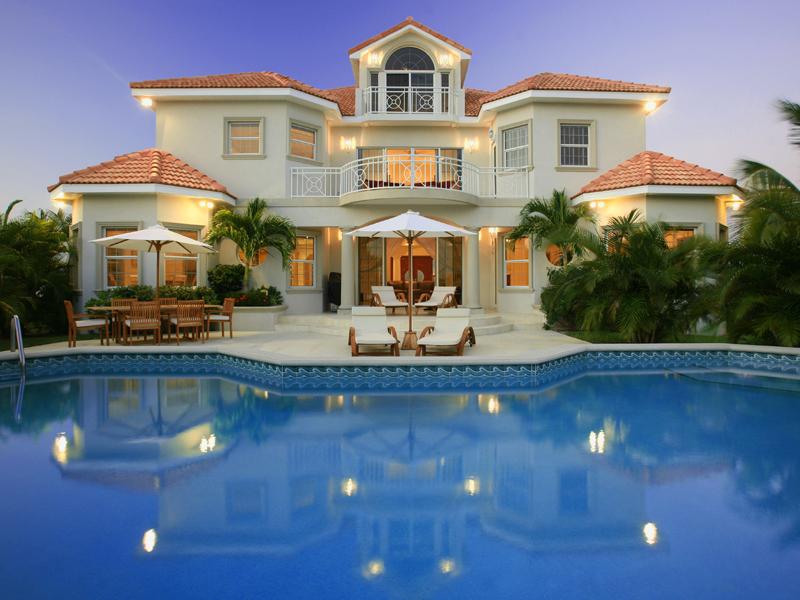
Envisioning a dream luxury home transcends mere bricks and mortar; it is about crafting an environment that reflects a life of unparalleled comfort, sophistication, and personal fulfillment. These residences are meticulously designed to not only impress but to actively enhance the daily experiences of their inhabitants, offering spaces that cater to every whim and desire. From the moment one steps through the grand entrance, the narrative of opulence and thoughtful design unfolds, promising a lifestyle that is both exhilarating and deeply serene.The essence of a luxury home lies in its ability to seamlessly blend aesthetic grandeur with functional brilliance, creating an atmosphere that is both breathtaking and eminently livable.
It’s in the details – the feel of polished marble underfoot, the gentle hum of integrated smart home technology, the scent of rare woods, and the play of light that transforms spaces throughout the day. These homes are not just dwellings; they are curated experiences, designed to elevate the senses and inspire a profound sense of well-being.
The Grand Entrance and Welcoming Spaces
The entryway of a luxury home sets the tone for the entire property, an immediate declaration of elegance and meticulous craftsmanship. Imagine a double-height foyer, bathed in natural light from an expansive skylight, with a sweeping, custom-designed staircase that curves gracefully towards the upper levels. The flooring might be a mosaic of rare Italian marble, polished to a mirror-like sheen, reflecting the intricate details of a bespoke chandelier that dangles like a jeweled constellation.
Walls could be adorned with hand-painted silk wallpaper or paneled in rich, exotic woods, their natural grain a testament to nature’s artistry. A dedicated concierge area or a discreet powder room, finished with artisanal fixtures, further enhances the sense of arrival and refined hospitality.
In this topic, you find that luxury home price is very useful.
Private Sanctuaries and Restorative Retreats
Beyond the public spaces, the private quarters of a luxury home are designed as havens of tranquility and personal indulgence. The master suite is a prime example, often encompassing a generous sleeping area with panoramic views, a separate sitting room for quiet contemplation, and perhaps even a private balcony. The en-suite bathroom is a spa in itself, featuring a deep soaking tub carved from a single piece of stone, a rainfall shower with multiple therapeutic settings, heated floors, and vanity countertops crafted from exquisite granite or quartz.
High-end, integrated sound systems and smart lighting controls allow for the creation of personalized ambiance, transforming the space into a restorative sanctuary at a moment’s notice. Walk-in closets, meticulously organized with custom shelving and illuminated displays, are not merely storage but extensions of personal style.
Specialized Rooms and Lifestyle Enhancements
The true allure of a luxury home often lies in its specialized rooms and amenities, each designed to cater to specific passions and elevate the living experience.
- Home Theaters: A dedicated space for cinematic immersion, featuring plush, tiered seating, state-of-the-art soundproofing, a high-definition projection system, and a massive screen. The ambiance is further enhanced by custom lighting that mimics a true cinema experience, creating an unparalleled setting for film enthusiasts.
- Wine Cellars: Temperature-controlled, climate-perfect environments designed to store and age fine wines. These spaces often feature elegant racking systems made from premium woods, tasting areas with comfortable seating, and sophisticated humidity and light control to preserve the integrity of the collection.
- Expansive Gardens and Outdoor Living: Beyond manicured lawns, these gardens are often designed as extensions of the living space, featuring al fresco dining areas, outdoor kitchens, infinity-edge swimming pools with integrated spas, meticulously landscaped grounds with water features, and secluded seating areas for ultimate relaxation and entertainment.
- Home Gyms and Wellness Centers: Fully equipped fitness studios with the latest exercise equipment, often complemented by dedicated spaces for yoga, meditation, or massage, fostering a holistic approach to health and well-being within the confines of the home.
- Libraries and Studies: Quiet, sophisticated spaces designed for work, study, or the enjoyment of literature, often featuring custom-built bookshelves, comfortable seating, and integrated technology for a productive yet serene environment.
The sensory experience within these homes is paramount. The tactile pleasure of natural stone, the smooth finish of polished wood, the crispness of fine linens, and the subtle fragrance of curated diffusers all contribute to an environment of refined comfort. Sophisticated lighting systems, from recessed ambient lighting to statement chandeliers, are not just functional but artful, capable of transforming the mood and character of any space.
The integration of natural elements, such as indoor water features, living walls, and expansive windows framing breathtaking views, further connects the inhabitants to the beauty of their surroundings, creating a harmonious and inspiring living experience.
The Evolving Trends and Future Outlook in the Market for High-Value Residential Properties
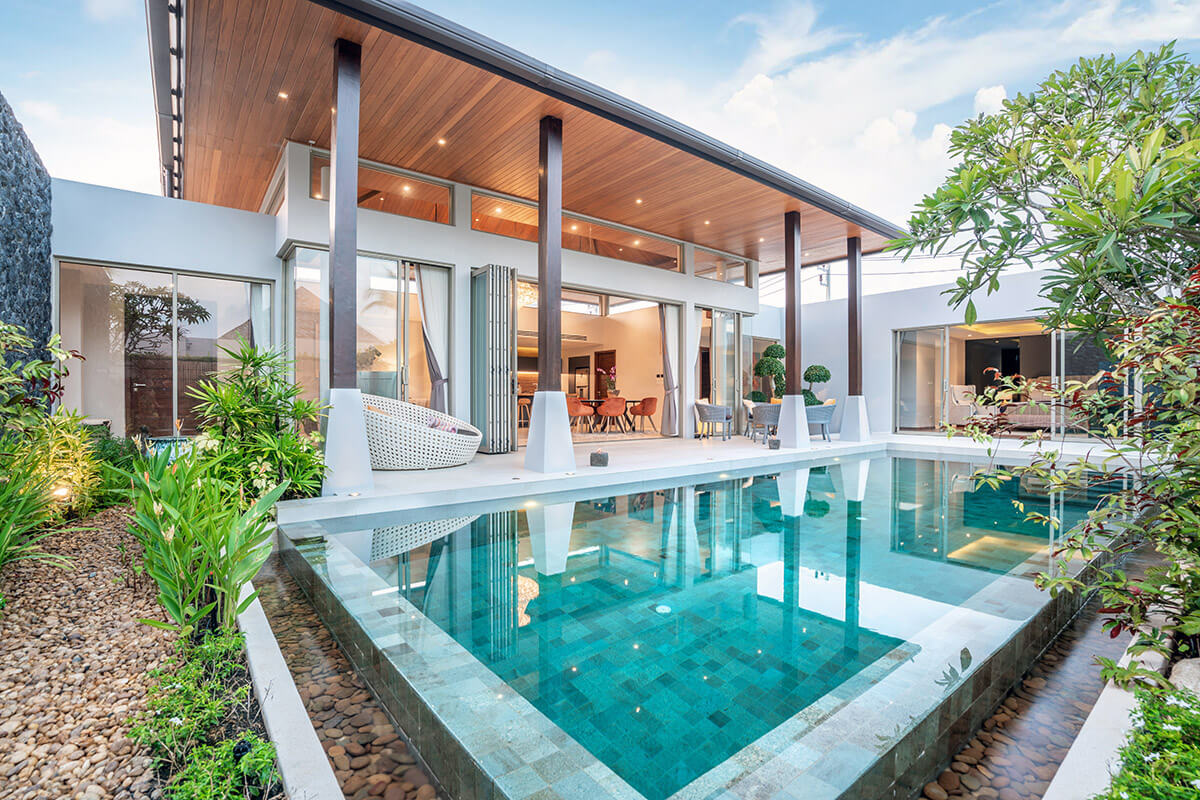
The luxury real estate market is a dynamic and ever-changing landscape, constantly adapting to the desires and needs of its discerning clientele. As global economic conditions shift, technological innovations emerge, and demographic patterns transform, so too does the definition of a premium living environment. Understanding these evolving trends is crucial for anyone looking to invest in, develop, or simply appreciate the pinnacle of residential property.The affluent buyer of today is more informed and discerning than ever before.
Their acquisition decisions are no longer solely driven by opulence and size; instead, a sophisticated blend of functionality, well-being, and environmental consciousness now significantly influences their preferences. This paradigm shift is reshaping how luxury homes are conceived, designed, and marketed, pointing towards a future where sustainability and personal health are paramount.
Emerging Preferences and Demands of Affluent Buyers
Affluent buyers are increasingly prioritizing homes that actively contribute to their health and well-being, alongside a strong commitment to environmental responsibility. This translates into a demand for properties that integrate advanced wellness features and embrace sustainable building practices. The concept of a “healthy home” has moved beyond mere aesthetics to encompass tangible benefits for its occupants.
- Sustainability Features: Buyers are seeking homes that minimize their environmental footprint. This includes the integration of renewable energy sources like solar panels, advanced energy-efficient systems for heating and cooling, rainwater harvesting and greywater recycling systems, and the use of eco-friendly and recycled building materials. The desire for reduced utility costs and a clear conscience regarding environmental impact are significant drivers.
- Wellness Integration: The focus on health and well-being manifests in various ways. This includes the incorporation of air and water purification systems that exceed standard requirements, biophilic design elements that bring nature indoors through living walls and ample natural light, dedicated spaces for fitness and mindfulness such as home gyms, yoga studios, and meditation rooms, and smart home technology that monitors and optimizes indoor environmental quality for occupant health.
- Smart Home Technology: Beyond convenience, smart home technology is increasingly valued for its ability to enhance security, energy efficiency, and personalized comfort. This includes sophisticated climate control, integrated security systems with remote monitoring capabilities, automated lighting, and systems that can learn and adapt to the occupants’ routines and preferences to optimize living conditions.
- Privacy and Exclusivity: While community aspects are emerging, the core desire for privacy remains strong. Buyers seek properties that offer secluded settings, private amenities, and a sense of personal sanctuary away from the public eye. This can be achieved through strategic landscaping, thoughtful architectural design, and secure gated communities.
Impact of Global Economic Shifts, Technological Advancements, and Changing Demographic Patterns
The trajectory of the luxury housing market is inextricably linked to broader global forces. Economic stability, technological progress, and evolving societal structures all play a pivotal role in shaping demand, supply, and the very nature of high-value residential properties.Economic shifts, such as fluctuations in global wealth distribution and investment capital, directly influence the purchasing power and investment strategies of the affluent.
Periods of economic growth often spur increased demand for luxury properties as a symbol of success and a sound investment. Conversely, economic downturns can lead to a more cautious approach, with buyers prioritizing long-term value and stability.Technological advancements are perhaps the most transformative force. The rapid evolution of smart home technology, advanced construction techniques, and digital platforms for property discovery and transaction are revolutionizing the luxury market.
These innovations not only enhance the living experience but also create new possibilities for design, efficiency, and accessibility.Changing demographic patterns, including the rise of new wealth centers, the aging of existing affluent populations, and the increasing influence of younger generations entering the luxury market, are also reshaping preferences. For instance, the growing influence of millennials and Gen Z in wealth accumulation is bringing new demands for modern, tech-integrated, and lifestyle-focused properties, often with a greater emphasis on experiences over sheer size.
The desire for urban convenience coupled with suburban tranquility is also leading to the development of mixed-use luxury communities.
Projections on Innovation in Design, Construction, and Community Development
The future of premium living environments will be characterized by a seamless integration of cutting-edge design, sustainable construction methods, and thoughtfully developed communities that foster a high quality of life. Innovation will be key to meeting the increasingly sophisticated demands of luxury homeowners.The architectural landscape of luxury homes will continue to push boundaries, embracing more fluid, adaptable, and technologically integrated spaces.
We can anticipate a greater emphasis on personalized design, where homes are not just built but curated to reflect the individual lifestyles and aspirations of their owners. This includes the potential for modular construction and 3D printing to enable greater customization and speed in building high-end properties.Construction methods will become increasingly sustainable and efficient. Expect to see wider adoption of prefabricated components, advanced insulation technologies, and smart building materials that can adapt to environmental conditions.
The focus will be on creating homes that are not only beautiful and luxurious but also environmentally responsible and cost-effective to maintain in the long run.Community development in the luxury sector will move beyond exclusive enclaves to encompass integrated, amenity-rich environments. Future luxury communities may feature a blend of private residences with shared spaces designed for social interaction, wellness, and convenience.
This could include co-working spaces, advanced fitness facilities, curated dining experiences, and access to cultural and recreational activities, all within a secure and beautifully designed setting. The emphasis will be on creating a holistic lifestyle experience rather than just a collection of high-value homes.
Last Point
Ultimately, the pursuit of luxury homes is a profound reflection of personal achievement and evolving aspirations. By understanding the psychological drivers, mastering the procedural intricacies, appreciating the design innovations, and implementing sound financial strategies, prospective buyers can confidently embark on the path to owning a premier residence. This endeavor is not merely about acquiring property; it’s about investing in a lifestyle, a legacy, and a vision of elevated living that resonates with personal success and enduring value.
FAQ Guide
What are the typical closing costs associated with buying a luxury home?
Closing costs for luxury homes can include appraisal fees, title insurance, escrow fees, legal fees, transfer taxes, and potentially higher lender fees due to the property’s value. It’s essential to budget for these additional expenses, which can range from 2% to 5% of the purchase price.
How does the negotiation process differ for luxury properties compared to standard homes?
Negotiations for luxury properties often involve more sophisticated buyers and sellers, potentially with more complex financial structures. Factors like unique features, historical significance, and investment potential play a larger role. Patience, expert representation, and a deep understanding of market comparables are crucial.
Are there specific financing options available for luxury homes?
Yes, jumbo loans are common for properties exceeding conforming loan limits. Private banking services and portfolio loans from specialized lenders may also offer tailored financing solutions for high-net-worth individuals, often with more flexible terms and higher loan-to-value ratios.
What is the role of a luxury real estate agent?
A luxury real estate agent possesses specialized knowledge of the high-end market, understands the unique needs of affluent clients, and has access to exclusive listings and networks. They provide discreet service, expert negotiation, and comprehensive market insights.