Homes for sale in Florida beckon with a promise of sunshine, diverse lifestyles, and a dynamic real estate market. This exploration delves into the multifaceted world of Florida properties, from uncovering the vibrant geographical regions experiencing significant growth to understanding the unique lifestyle offerings that draw a wide array of buyers. We’ll navigate the current inventory levels across various property types, shedding light on typical price ranges and what the initial search experience might entail for prospective homeowners in this sought-after state.
Prepare to discover the myriad opportunities awaiting you in the Sunshine State’s real estate landscape.
The diverse residential landscape of Florida currently available for acquisition is vast and varied, catering to a multitude of preferences and needs. Primary geographical regions experiencing significant real estate activity for new homeowners include the bustling metropolises of South Florida, the rapidly developing areas around Orlando, and the charming coastal communities along the Gulf Coast and Atlantic seaboard. Each locale offers distinct lifestyle offerings that attract different buyer demographics; for instance, South Florida appeals to those seeking vibrant city life and international flair, while the Gulf Coast often attracts retirees and families looking for a more relaxed, beach-centric existence.
Inland suburban areas provide more affordable options and family-friendly environments, often with excellent schools and community amenities. Insights into current inventory levels reveal a healthy market for single-family homes, condominiums, and townhouses, though specific availability can fluctuate by region and property type. Typical price ranges encountered in these burgeoning Florida markets vary significantly, from more accessible entry points in certain inland communities to premium pricing in sought-after coastal enclaves.
A prospective buyer beginning their search in Florida can expect a journey filled with exploring diverse neighborhoods, understanding regional market trends, and potentially encountering competitive bidding for desirable properties, all while being guided by the allure of the Florida lifestyle.
Unveiling the Diverse Landscape of Florida Residences Currently Available for Acquisition
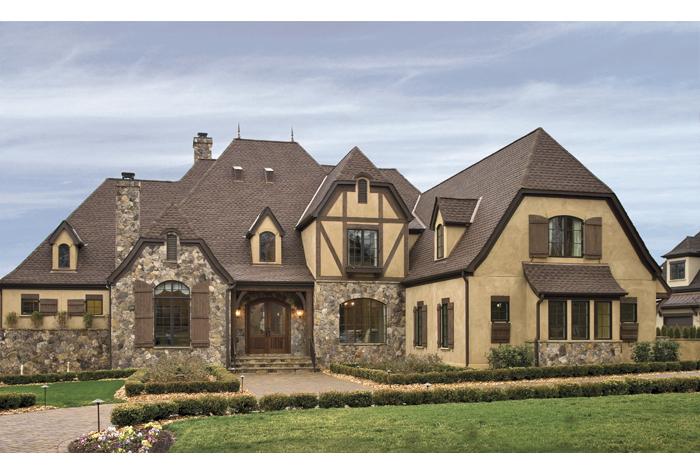
Florida’s real estate market is a vibrant tapestry, offering a wide array of residential opportunities to suit virtually every taste and budget. From the sun-drenched beaches of the Gulf Coast to the bustling metropolises of the Atlantic side, and the serene inland communities, there’s a piece of the Sunshine State waiting to be claimed. This dynamic market is characterized by its constant evolution, driven by a steady influx of new residents and a robust economy, making it an exciting time for prospective homeowners.The primary geographical regions experiencing significant real estate activity are consistently the coastal areas, particularly Southwest Florida (e.g., Naples, Fort Myers, Sarasota) and Southeast Florida (e.g., Miami-Dade, Broward, Palm Beach counties).
These areas attract a significant number of buyers due to their renowned beaches, vibrant tourism industries, and thriving job markets. Inland, cities like Orlando and Tampa Bay continue to see substantial growth, fueled by strong employment sectors in technology, healthcare, and entertainment, as well as more affordable housing options compared to prime coastal locations.
Distinct Lifestyle Offerings Across Florida Locales
Florida’s diverse geography translates into a rich spectrum of lifestyle choices, catering to various buyer demographics. For retirees and those seeking a tranquil pace of life, the Gulf Coast offers charming coastal towns with a focus on relaxation, golf, and boating. Families are often drawn to the Orlando and Tampa Bay areas, benefiting from excellent school districts, family-friendly attractions, and a wider range of single-family homes with yards.
Young professionals and investors frequently gravitate towards the energetic urban centers of South Florida, attracted by the cosmopolitan atmosphere, diverse job opportunities, and a lively nightlife. The Keys, with their unique island charm, appeal to those seeking an unparalleled waterfront lifestyle and a strong sense of community.
Current Inventory Levels and Property Types
The current inventory levels across Florida’s real estate market exhibit a healthy balance, though this can vary by specific region and property type. Single-family homes remain the most sought-after property type, especially in suburban and growing inland areas, often seeing competitive bidding due to high demand. Condominiums and townhouses are particularly prevalent in urban centers and along the coast, offering a more lock-and-leave lifestyle and often appealing to first-time homebuyers, investors, and those downsizing.
While inventory has seen fluctuations, particularly in desirable coastal communities, there are generally ample opportunities across different property segments.
Typical Price Ranges in Burgeoning Florida Markets
The price ranges for homes in Florida’s burgeoning markets are as varied as the landscapes themselves. In high-demand coastal areas like Naples or Miami Beach, luxury single-family homes and waterfront condominiums can easily range from $1 million to well over $10 million. More moderately priced single-family homes in desirable suburbs or inland cities such as Tampa or Orlando might typically fall between $300,000 and $700,000.
For condominiums and townhouses, especially in areas slightly removed from prime waterfront locations, prices can start from the low $200,000s and extend upwards depending on amenities and location. For instance, a starter home in a developing area near Orlando might be found in the $250,000-$350,000 range, while a well-appointed condo in a Sarasota high-rise could be $500,000-$900,000.
Prospective Buyer’s Search Experience in Florida
Embarking on a search for a dwelling in Florida is an exciting journey that typically begins with defining priorities: location, budget, and lifestyle needs. Prospective buyers often start by browsing online real estate portals, which offer a vast selection of listings with detailed descriptions, photos, and virtual tours. This initial exploration helps narrow down preferred regions and property types. Following this, engaging with a local real estate agent becomes invaluable.
Agents provide crucial market insights, access to off-market listings, and guidance through the complexities of contracts and negotiations.The search process often involves:
- Initial online research to identify desirable areas and property types.
- Connecting with a licensed Florida real estate agent to gain expert local knowledge.
- Scheduling property viewings, both in-person and virtual, to assess suitability.
- Working with a mortgage broker to pre-approve financing, understanding the current interest rate environment.
- Making an offer, which in competitive markets may involve contingencies and counter-offers.
- Navigating the inspection and appraisal process to ensure the property meets expectations and lender requirements.
- Finalizing the transaction through closing, where ownership is officially transferred.
The experience is generally characterized by a high level of activity and a need for decisive action, especially in popular markets. For example, a buyer interested in a single-family home in the Tampa Bay area might find that desirable properties are receiving multiple offers within days of being listed, necessitating a quick and well-prepared offer strategy. Conversely, a buyer seeking a condo in a less central location might have more time to deliberate and negotiate.
The abundance of online resources combined with the expertise of local professionals makes the process manageable and rewarding.
Identifying Key Attributes That Make Florida Homes Appealing to a Broad Spectrum of Buyers
Florida’s real estate market is renowned for its allure, drawing in a diverse range of individuals seeking not just a house, but a lifestyle. This vibrant state offers a unique blend of desirable characteristics that consistently appeal to both domestic and international buyers. From the sun-drenched beaches to the bustling city centers, Florida presents a compelling proposition for those looking to invest, relocate, or secure a vacation home.
The state’s consistent appeal stems from a combination of its natural beauty, diverse housing options, and a lifestyle that many dream of.The appeal of Florida homes is multifaceted, encompassing architectural charm, practical features, strategic location, and investment potential. Understanding these key attributes is crucial for any prospective buyer navigating this dynamic market. Whether one prioritizes a tranquil retreat or a vibrant urban experience, Florida’s housing landscape is designed to cater to a wide array of preferences and needs, making it a perennially attractive destination for real estate acquisition.
Architectural Styles and Historical Influences, Homes for sale in florida
Florida’s architectural landscape is a rich tapestry woven from its historical interactions and climate. Early Spanish and British colonial influences are evident in styles like the Mediterranean Revival, characterized by stucco exteriors, red tile roofs, arched doorways, and ornate ironwork, offering a sense of timeless elegance. The mid-century modern movement left its mark with clean lines, large windows, and open floor plans, perfectly suited to the state’s indoor-outdoor living ethos.
More recently, the Florida Vernacular style, adapted to the subtropical climate, features raised foundations to combat humidity and potential flooding, deep overhangs for shade, and often incorporates elements like breezeways and screened porches. These styles are not merely aesthetic; they are functional adaptations to the unique environmental conditions of Florida.
Desirable Features Enhancing Livability and Appeal
Beyond architectural aesthetics, specific features significantly elevate the desirability of Florida residences. Outdoor living spaces are paramount, with screened-in patios, expansive lanais, and private swimming pools being highly sought after. These areas are extensions of the living space, designed to maximize enjoyment of the year-round warm climate. Water access, whether it’s a private dock on a canal, proximity to a lake, or direct frontage on the ocean, is another major draw.
This can range from a simple waterfront view to opportunities for boating, fishing, and water sports directly from one’s doorstep. Inside, features like open-concept living areas, updated kitchens with modern appliances, and master suites with spa-like bathrooms contribute to a comfortable and luxurious lifestyle. Energy-efficient upgrades, such as impact-resistant windows and solar panels, are also increasingly valued for their cost savings and environmental benefits.
Influence of Proximity to Amenities on Buyer Decisions
The strategic location of a Florida home is a significant driver of buyer decisions. Proximity to world-renowned beaches, offering opportunities for recreation and relaxation, is a primary attraction for many. Beyond the coast, Florida boasts a wealth of entertainment venues, including theme parks, professional sports arenas, theaters, and vibrant cultural districts, catering to diverse interests. Natural attractions, such as state and national parks, wildlife refuges, and springs, provide ample opportunities for outdoor adventure and nature exploration.
Buyers often prioritize homes that offer convenient access to these amenities, balancing the desire for tranquility with the convenience of having entertainment and natural beauty within easy reach. This accessibility can significantly impact the property’s long-term value and lifestyle potential.
New Construction Versus Pre-Owned Home Benefits
The choice between a new construction and a pre-owned home in Florida presents distinct advantages. New construction offers buyers the opportunity for customization, allowing them to select finishes, layouts, and features to perfectly match their preferences and needs. These homes also typically come with modern building codes, energy-efficient designs, and the peace of mind of builder warranties, reducing immediate maintenance concerns.
Immediate availability is a key benefit of pre-owned homes. While customization options may be limited, buyers can often move in sooner and may find a wider range of established neighborhoods and mature landscaping. Pre-owned homes can also offer more character and potentially be located in highly desirable, established areas that are no longer available for new development.
Considerations for Investment Properties Versus Primary Residences
When considering Florida real estate, the purpose of the purchase—whether for investment or as a primary residence—dictates different priorities. For investment properties, factors like rental income potential, property management ease, and appreciation forecasts are paramount. Areas with high tourism or strong job markets tend to attract investors. The proximity to attractions that draw visitors, such as beaches and theme parks, is crucial for short-term rental appeal.
For primary residences, lifestyle factors, community amenities, school districts, and proximity to daily necessities like shopping and healthcare take precedence. Buyers seeking a primary home often prioritize a sense of community, a comfortable living environment, and long-term suitability for their family or personal needs.
Essential Questions for Evaluating Long-Term Property Value
Prospective buyers should arm themselves with a set of critical questions to assess the long-term value of a Florida property. These questions go beyond the initial purchase price and delve into factors that contribute to sustained desirability and financial health.
- What is the property’s flood zone designation and the associated insurance costs?
- Are there any current or proposed homeowner association (HOA) fees or special assessments, and what do they cover?
- What is the condition of major home systems, such as the roof, HVAC, plumbing, and electrical, and when were they last updated or replaced?
- What is the historical appreciation rate of properties in this specific neighborhood?
- How has the local market performed in terms of sales volume and average sale prices over the past five to ten years?
- What are the projected future development plans for the surrounding area, and how might they impact property values or quality of life?
- What is the property’s energy efficiency rating, and what are the estimated annual utility costs?
- Are there any environmental concerns or historical issues associated with the property or its location?
- What is the proximity and accessibility to essential services, transportation hubs, and desirable amenities that are likely to remain in demand?
- What are the property taxes for this specific parcel, and have they shown a consistent upward trend?
Understanding the Current Market Dynamics Influencing Florida Real Estate Availability
Navigating the Florida real estate market requires a keen understanding of the forces at play, from the steady influx of new residents to the broader economic climate. These dynamics directly shape the availability of homes, influencing pricing, negotiation leverage, and the overall buying or selling experience. By grasping these elements, potential buyers and sellers can make more informed decisions and position themselves for success in this vibrant market.The Sunshine State continues to be a magnet for individuals and families seeking its desirable lifestyle, favorable climate, and robust economic opportunities.
This sustained interest translates into a consistent demand for housing across various property types and locations. Factors such as a growing retiree population, a thriving job market in sectors like technology and healthcare, and the allure of a relaxed, outdoor-oriented lifestyle all contribute to the enduring appeal of Florida homes. This constant demand is a primary driver of market activity and availability.
Factors Driving Demand for Homes in Florida
The demand for Florida real estate is propelled by a confluence of demographic and lifestyle elements. Population growth, fueled by both domestic migration and international interest, is a significant contributor. Many are drawn to Florida for its tax advantages, including no state income tax, and its lower cost of living compared to other popular destinations. Furthermore, the state’s extensive coastline, abundant recreational activities, and a generally favorable business environment encourage both individuals and companies to relocate, thereby increasing the pool of potential homebuyers.
The lifestyle appeal is undeniable, with warm weather year-round, access to beaches, golf courses, and a diverse cultural scene.
Impact of Economic Indicators on the Florida Housing Market
Economic indicators provide crucial insights into the health and direction of the Florida housing market. Interest rates, for instance, directly affect mortgage affordability. When interest rates are low, borrowing costs are reduced, making it more feasible for buyers to purchase homes, thus increasing demand and potentially driving up prices. Conversely, rising interest rates can temper demand and lead to price stabilization or even slight decreases.
Unemployment rates and job growth figures are also vital; a strong job market indicates economic stability and consumer confidence, which generally translates to a more robust housing market. Inflation can impact construction costs and the overall cost of living, influencing both buyer budgets and seller expectations.
“Economic indicators act as the pulse of the housing market, reflecting the broader financial health that influences purchasing power and investment decisions.”
Current Inventory Trends and Their Effect on Negotiation Power
The balance between the number of homes available for sale (inventory) and the number of buyers actively seeking properties significantly dictates negotiation power. In a seller’s market, characterized by low inventory and high demand, sellers often have the upper hand. Multiple offers on a property are common, allowing sellers to command higher prices and set more favorable terms. Conversely, a buyer’s market, with high inventory and lower demand, gives buyers more leverage.
They may be able to negotiate lower prices, request seller concessions, or have more time to make decisions. Florida’s market has seen periods of both, and understanding current trends is crucial for effective negotiation. For example, if inventory is low in a particular desirable neighborhood, buyers might need to act quickly and offer their best terms.
Advantages of Engaging a Real Estate Agent Versus an Independent Search
While an independent search for Florida properties is possible, engaging a licensed real estate agent offers distinct advantages. Agents possess in-depth knowledge of local markets, including current pricing, neighborhood trends, and upcoming listings that may not yet be publicly advertised. They can also provide invaluable guidance through the complex process of property transactions, from initial property viewings and offer submissions to contract negotiations, inspections, and closing.
Agents act as a buffer, handling communication with sellers or their agents and advocating for the buyer’s best interests. For sellers, an agent can market the property effectively, screen potential buyers, and manage showings, ultimately aiming for a quicker sale at the best possible price.
Typical Timeline from Initial Property Search to Closing on a Home in Florida
The timeline for purchasing a home in Florida can vary, but a typical process generally spans from 30 to 60 days from the initial offer acceptance to closing. This period encompasses several critical stages:
- Offer and Acceptance: Once a buyer finds a property and makes an offer, it can take a few days for negotiations and acceptance.
- Loan Pre-approval and Application: If financing is required, the buyer will work with a lender to finalize their mortgage application, which can take several weeks.
- Home Inspection: Typically scheduled within 7-14 days of offer acceptance, this process allows buyers to assess the property’s condition and identify any potential issues.
- Appraisal: The lender will order an appraisal to determine the home’s market value.
- Contingency Period: This period, often tied to inspections and financing, allows buyers to withdraw from the sale under certain conditions.
- Final Walk-Through: Conducted just before closing to ensure the property is in the agreed-upon condition.
- Closing: The final stage where all legal documents are signed, funds are transferred, and ownership changes hands.
This timeline is an estimate and can be influenced by factors such as the speed of loan processing, the complexity of title searches, and the availability of all parties involved.
Buyer’s Step-by-Step Guide to Engaging with the Florida Real Estate Market
Effectively engaging with the Florida real estate market involves a structured approach to ensure a smooth and successful home-buying experience.
1. Financial Preparation and Pre-Approval
Begin by assessing your financial situation. Determine your budget, including down payment, closing costs, and ongoing expenses. Obtaining mortgage pre-approval from a lender is a crucial first step. This process involves a thorough review of your credit history, income, and assets, providing you with a clear understanding of how much you can borrow and strengthening your position when making an offer.
2. Define Your Needs and Preferences
Clearly Artikel your requirements for a home. Consider factors such as location (proximity to work, schools, amenities), property type (single-family home, condo, townhouse), size, number of bedrooms and bathrooms, and desired features. Creating a wish list and a must-have list can help narrow down your search.
3. Select a Real Estate Agent
Interview and select a reputable real estate agent who specializes in the Florida markets you are interested in. A good agent will listen to your needs, provide expert advice, and guide you through the entire process.
4. Property Search and Viewings
With your agent, begin searching for properties that match your criteria. Attend open houses and schedule private showings for properties that pique your interest. Take detailed notes and photos during viewings to help you remember each property.
5. Making an Offer and Negotiation
Once you find a home you love, work with your agent to craft a competitive offer. This will include the purchase price, earnest money deposit, financing contingencies, and any other specific terms. Be prepared for potential negotiations with the seller.
6. Home Inspection and Due Diligence
After your offer is accepted, schedule a professional home inspection. This is a critical step to identify any potential structural, mechanical, or cosmetic issues with the property. Based on the inspection report, you may be able to negotiate repairs with the seller or withdraw from the purchase if significant problems are discovered.
7. Loan Processing and Appraisal
Work closely with your lender to finalize your mortgage. The lender will order an appraisal to confirm the property’s value.
8. Final Preparations and Closing
Conduct a final walk-through of the property before closing to ensure everything is in order. Attend the closing appointment, where you will sign all necessary documents, pay your remaining down payment and closing costs, and receive the keys to your new Florida home.
Remember to click florida homes to understand more comprehensive aspects of the florida homes topic.
Exploring Specific Regions and Their Distinct Residential Offerings Within Florida: Homes For Sale In Florida

Florida’s real estate market is as diverse as its geography, offering a wide array of residential choices tailored to various lifestyles and preferences. From the sun-drenched shores of its extensive coastline to the tranquil, family-oriented inland communities, each region presents unique advantages for home buyers. Understanding these distinctions is key to finding the perfect Florida residence.The appeal of Florida homes is amplified by the state’s varied regional characteristics, which cater to a broad spectrum of buyers, including families, retirees, and investors.
Discover how Home Bar Wall Decor Ideas has transformed methods in this topic.
Each area boasts its own set of attractions, from economic drivers to recreational opportunities, all contributing to distinct property types and living experiences.
Coastal Communities Versus Inland Suburban Areas
Coastal communities in Florida are synonymous with a lifestyle centered around water activities, breathtaking ocean views, and a vibrant, often more tourist-driven, atmosphere. These areas typically feature properties ranging from luxurious oceanfront condominiums and sprawling waterfront estates to charming beach bungalows. The unique selling proposition here lies in the direct access to beaches, boating, fishing, and a generally more relaxed, vacation-like ambiance.
However, these desirable locations often come with a higher price tag and can be more susceptible to hurricane risks and seasonal fluctuations in visitor traffic.In contrast, inland suburban areas offer a more traditional residential experience, often characterized by single-family homes with yards, quieter streets, and a stronger sense of community geared towards families and long-term residents. These regions typically provide more affordable housing options, often closer to good schools, local parks, and essential amenities like shopping centers and healthcare facilities.
The appeal of these areas is their stability, affordability, and suitability for those seeking a more grounded, everyday living environment away from the immediate hustle and bustle of tourist hotspots.
Popular Neighborhoods in Major Florida Metropolitan Areas
Florida’s major metropolitan areas are hubs of diverse neighborhoods, each with its own defining characteristics. In the Miami-Fort Lauderdale area, neighborhoods like Coral Gables offer Mediterranean-inspired architecture, tree-lined streets, and upscale living, appealing to those seeking elegance and proximity to cultural attractions. Further north, Fort Lauderdale’s Las Olas Isles provide luxurious waterfront homes with private docks, catering to boating enthusiasts.The Tampa Bay region boasts areas like Hyde Park in Tampa, known for its historic homes, vibrant dining scene, and walkability, attracting young professionals and families.
St. Petersburg’s downtown waterfront district offers modern condominiums with stunning bay views, ideal for urban dwellers.In the Orlando metropolitan area, Winter Park is renowned for its charming downtown, chain of lakes, and upscale boutiques, attracting a sophisticated demographic. For those seeking master-planned communities with abundant amenities, areas like Lake Nona in Orlando offer innovative designs and a focus on health and wellness.
Lifestyle and Property Types: Panhandle Versus South Florida
The Florida Panhandle, stretching across the northwestern part of the state, offers a lifestyle that is often described as more laid-back and Southern in its charm. Property types here range from traditional single-family homes in historic towns like Pensacola and Tallahassee to beachfront condos and vacation rentals along the Emerald Coast, famous for its sugar-white sands and clear turquoise waters.
The appeal lies in its natural beauty, slower pace of life, and often more affordable real estate compared to South Florida, particularly for larger lots and family homes.South Florida, on the other hand, is characterized by a dynamic, cosmopolitan, and international flair. Here, property types are diverse, including sleek high-rise condominiums in Miami and Fort Lauderdale, luxurious waterfront estates in Palm Beach, and sprawling single-family homes in meticulously planned communities.
The lifestyle is fast-paced, offering world-class dining, shopping, arts and culture, and a vibrant nightlife. It attracts those seeking an active, sophisticated urban experience with a tropical twist, though it typically comes with a higher cost of living and property values.
The Appeal of Florida’s Retirement Communities
Florida has long been a prime destination for retirees, and its specialized retirement communities are a significant draw. These communities are designed to cater to the specific needs and desires of older adults, offering a secure, comfortable, and socially engaging environment. Their appeal lies in a combination of factors:
- Age-restricted living: Many communities are age-restricted (e.g., 55+), ensuring a demographic that shares similar life stages and interests, fostering a strong sense of camaraderie.
- On-site amenities: They often feature extensive amenities such as golf courses, swimming pools, fitness centers, community clubhouses, walking trails, and organized social activities, providing ample opportunities for recreation and connection.
- Maintenance-free living: A significant advantage is the availability of maintenance-free living, where landscaping, exterior home repairs, and sometimes even interior upkeep are handled by the community management, freeing retirees from burdensome chores.
- Healthcare access: Proximity to healthcare facilities and sometimes on-site medical services or partnerships with local providers offer peace of mind.
- Security: Gated entrances and security patrols contribute to a safe and secure living environment.
Examples of popular retirement destinations include The Villages, a massive, active adult community known for its extensive amenities and social calendar, and communities in areas like Sarasota and Naples, which offer a more serene, coastal retirement experience.
Emerging Areas for Future Real Estate Growth and Investment
Several areas across Florida are showing significant promise for future real estate growth and investment, driven by economic development, population influx, and infrastructure improvements. These emerging markets often offer more attainable entry points for buyers and investors compared to established hotspots.One such area is the space coast region, particularly around Melbourne and Palm Bay. Fueled by the growth of the aerospace and technology sectors, including SpaceX and Blue Origin, these areas are experiencing job creation and an increasing demand for housing.
Property types range from affordable single-family homes to new developments catering to the growing workforce.Another promising region is the I-4 Corridor, specifically cities like Lakeland and Plant City, located between Tampa and Orlando. These areas benefit from their central location, access to major transportation routes, and a more affordable cost of living compared to their larger metropolitan neighbors. They are attracting businesses and residents seeking a balance of accessibility and value.The Gulf Coast, north of Tampa Bay, including areas like Spring Hill and Brooksville, is also seeing renewed interest.
These locations offer a more natural setting and are becoming more attractive as development spreads and infrastructure improves, providing opportunities for growth in single-family home construction and rental markets.
Hypothetical Buyer Scenario: Matching Preferences with Florida Regions
Consider a hypothetical buyer, Sarah, a remote worker in her late 30s who values an active lifestyle, access to nature, and a strong sense of community, with a budget of around $450,000 for a single-family home. She prefers a place with good infrastructure, including reliable internet, and proximity to outdoor recreational activities like hiking and kayaking.Given Sarah’s preferences, the Central Florida region, specifically areas around Clermont or Winter Garden, would be an excellent match.
Clermont, known as the “Choice of Champions,” is renowned for its rolling hills, numerous lakes, and extensive trail systems, including the South Lake Trail, perfect for biking and running. Winter Garden offers a charming historic downtown, a vibrant farmers market, and easy access to the West Orange Trail, a popular recreational path. Both areas have seen significant growth in single-family home communities, offering modern amenities and access to nature while maintaining good internet connectivity and a family-friendly atmosphere.
These locations provide a balance of outdoor adventure and suburban comfort, fitting Sarah’s criteria within her budget.
Do not overlook the opportunity to discover more about the subject of sell from home.
Last Word

In essence, the journey of finding homes for sale in Florida is an exciting expedition through a state brimming with opportunity and diverse living experiences. From understanding the financial intricacies to appreciating the unique attributes that make Florida properties so desirable, this comprehensive overview aims to equip potential buyers with the knowledge needed to make informed decisions. Whether you’re drawn by the allure of coastal living, the convenience of urban amenities, or the tranquility of suburban life, the Florida real estate market offers a compelling array of choices.
By understanding market dynamics, exploring specific regions, and asking the right questions, you can confidently navigate your path to homeownership in the Sunshine State and secure a piece of paradise that truly feels like home.
FAQ Insights
What are the typical closing costs when buying a home in Florida?
Closing costs in Florida typically range from 2% to 5% of the loan amount and can include items like title insurance, appraisal fees, loan origination fees, recording fees, and pre-paid property taxes and homeowner’s insurance. A sample breakdown might include a title search fee, owner’s title insurance, lender’s title insurance, abstract of title, recording fees, notary fees, and survey fees.
How do property taxes work in Florida?
Florida property taxes are determined by local taxing authorities (county, city, school district) based on the assessed value of the property. Homestead exemptions can significantly reduce the taxable value for primary residences. The millage rate, set by each taxing authority, is then applied to the assessed value to calculate the tax amount. Property taxes are generally paid annually.
What is the difference between a new construction and a pre-owned home in Florida?
New construction homes offer modern designs, the latest energy-efficient features, and the ability to customize finishes, but often come at a higher price point and may have longer completion times. Pre-owned homes are typically more affordable, offer immediate availability, and may be located in established neighborhoods with mature landscaping, but might require renovations or updates.
What is the typical timeline for buying a home in Florida?
The timeline from initial property search to closing on a home in Florida can vary but generally ranges from 30 to 60 days for financed purchases. This includes time for property searching, making an offer, securing financing, home inspections, appraisals, and the final closing process.