Homes for sale in Florida present a vibrant and dynamic real estate market, offering a diverse range of opportunities for prospective buyers. This comprehensive guide delves into the intricacies of finding your ideal residence in the Sunshine State, from understanding current market trends to navigating the purchasing process with confidence. Whether you’re drawn to the allure of coastal living or the tranquility of inland communities, our exploration will equip you with the knowledge to make informed decisions and secure your dream home.
We will examine the prevailing market conditions, including inventory levels and average sale prices, and explore the most sought-after property types and architectural styles. You’ll gain insights into the typical buyer journey, from initial browsing to the final closing, and understand the comparative market dynamics across different Florida regions. Furthermore, we will highlight the key features and amenities that attract homebuyers, from desirable lifestyle elements like proximity to beaches and recreational facilities to specific home features such as updated kitchens and outdoor living spaces.
The role of community infrastructure, including schools, healthcare, and transportation, will also be detailed, alongside examples of innovative property features setting Florida homes apart. Finally, we’ll provide a step-by-step guide to acquiring a home with confidence, covering crucial documents, property inspections, and the various costs involved, as well as exploring different residence types and the financial aspects of buying a home in Florida.
Understanding the Current Landscape of Florida Real Estate for Prospective Buyers

Navigating the Florida real estate market requires a keen understanding of its current dynamics. For those looking to purchase a home, the landscape presents a unique blend of opportunities and considerations shaped by inventory levels, price trends, and regional variations. Being well-informed about these prevailing conditions is the first step toward a successful home-buying journey in the Sunshine State. This section aims to provide a comprehensive overview of what prospective buyers can expect as they embark on their search.
Obtain direct knowledge about the efficiency of homes mobile homes through case studies.
Prevailing Market Conditions for Properties Available for Purchase
The Florida real estate market, while dynamic, has shown consistent patterns that are crucial for prospective buyers to grasp. Inventory levels, a key indicator of market health, have been a focal point. While some areas have experienced a slight increase in available homes, others continue to grapple with historically low stock. This scarcity, particularly in desirable locations, directly influences competition and pricing.
Average sale prices across the state reflect this interplay between supply and demand. While the rapid appreciation seen in recent years may have moderated in some segments, Florida generally continues to command strong property values, especially for well-located or updated residences. Factors such as interest rate fluctuations also play a significant role, impacting affordability and buyer sentiment. For instance, a rise in mortgage rates can lead to a recalibration of buyer budgets, potentially shifting demand towards more modestly priced properties or encouraging buyers to explore less saturated markets.
Conversely, periods of stable or declining interest rates can invigorate buyer activity. Understanding these broader economic influences alongside local market specifics is essential. The influx of new residents, drawn by Florida’s favorable tax environment, climate, and lifestyle, continues to underpin demand, creating a robust base for property values. However, the pace of development and new construction also contributes to inventory, offering an alternative for buyers who prefer new builds.
The interplay between existing home sales and new construction is a critical element in assessing the overall market condition. Buyers should pay close attention to the days on market for properties, as this metric offers insight into how quickly homes are selling and can indicate whether a market is leaning towards a seller’s or buyer’s advantage. A shorter average days on market typically signifies a competitive seller’s market, while a longer duration might suggest more room for negotiation.
Sought-After Property Types and Architectural Styles
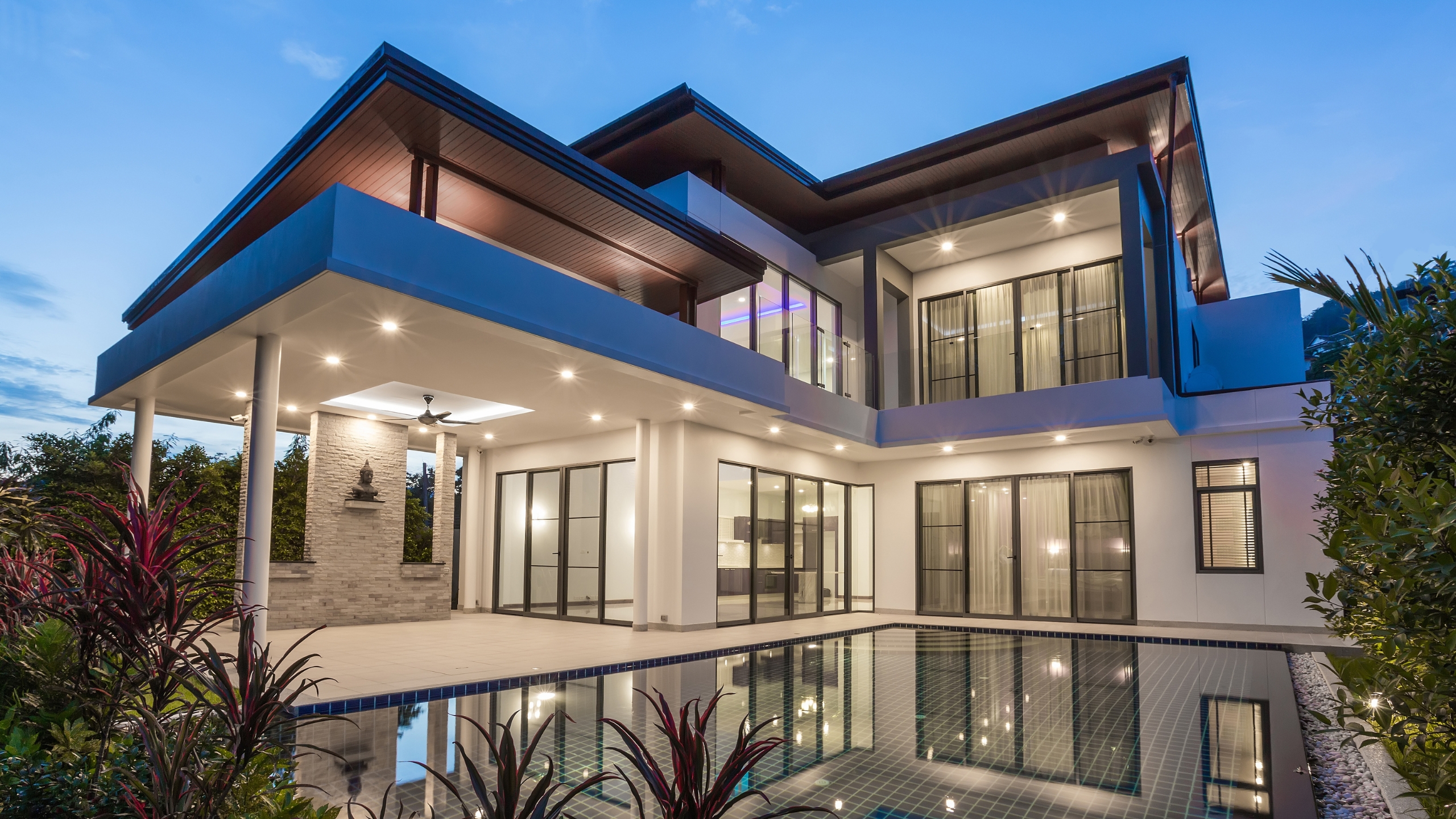
In Florida’s diverse real estate market, certain property types and architectural styles consistently capture the attention of buyers, reflecting a blend of lifestyle preferences and practical considerations. Single-family homes remain a perennial favorite, particularly those offering ample living space, private yards, and amenities conducive to outdoor living, a hallmark of the Florida lifestyle. The demand for homes with swimming pools and lanais, or screened-in patios, is particularly high, catering to the state’s warm climate and desire for alfresco entertaining and relaxation.
Townhouses and condominiums also hold significant appeal, especially for those seeking a more maintenance-free lifestyle or prioritizing proximity to urban centers, beaches, or golf courses. These properties often come with shared amenities like community pools, fitness centers, and security, which are attractive to a broad range of buyers, including retirees, young professionals, and investors. Regarding architectural styles, contemporary and modern designs are increasingly trending, characterized by clean lines, open floor plans, large windows for natural light, and seamless integration of indoor and outdoor spaces.
These styles often emphasize energy efficiency and smart home technology. However, traditional Florida vernacular styles, such as Mediterranean Revival and Coastal or Island-inspired designs, continue to be highly sought after. Mediterranean Revival homes, with their stucco exteriors, tile roofs, arched doorways, and wrought-iron accents, evoke a sense of timeless elegance and are well-suited to the climate. Coastal styles, featuring light colors, natural materials like wood and stone, and a breezy, open feel, resonate with the state’s extensive coastline and beach communities.
Buyers are also showing a growing interest in homes that offer flexibility, such as multi-generational living spaces or home offices, reflecting evolving lifestyle needs. The emphasis on natural light, energy efficiency, and connection to the outdoors remains a constant across various architectural preferences.
The Typical Buyer Journey When Searching for a Home in Florida
The journey of purchasing a home in Florida is a structured process, beginning long before a buyer sets foot in a property. It typically commences with the crucial step of financial preparation. Prospective buyers must first assess their financial standing, including their credit score, savings for a down payment, and overall budget. Obtaining pre-approval for a mortgage is a vital early action, as it provides a clear understanding of borrowing capacity and strengthens a buyer’s position when making an offer.
Following this, the active search phase begins. Many buyers start their exploration online, utilizing real estate websites and apps to browse listings, filter by desired features, and get a feel for available properties in their target areas. This digital exploration is often followed by engaging a real estate agent. A local agent offers invaluable expertise, providing access to listings, market insights, and guidance through the complexities of the transaction.
The agent helps narrow down choices based on the buyer’s criteria and schedules property viewings. During viewings, buyers assess not only the physical attributes of a home but also its neighborhood, amenities, and potential for future value. Once a suitable property is identified, the offer is made. This involves submitting a formal offer document, often accompanied by an earnest money deposit, outlining the proposed purchase price, contingencies (such as financing and inspection), and closing date.
If the offer is accepted, the buyer then moves into the escrow period. This is a critical phase where the earnest money is held by a neutral third party, and the buyer proceeds with due diligence. This typically includes a professional home inspection to identify any structural or system issues. Based on the inspection report, buyers may negotiate repairs or credits with the seller, or, in some cases, withdraw from the contract if major issues are uncovered and a contingency allows.
Simultaneously, the buyer’s lender works on finalizing the mortgage, which involves property appraisal and underwriting. The final step before closing is the final walkthrough, ensuring the property is in the agreed-upon condition. The closing itself involves signing all necessary legal documents, transferring funds, and officially receiving the keys to the new home.
Comparative Overview of Real Estate Market Dynamics in Different Florida Regions
Florida’s real estate market is far from monolithic, exhibiting distinct dynamics when comparing its vibrant coastal areas with its more inland regions. Coastal markets, particularly those along the Atlantic and Gulf coasts, are often characterized by higher demand and, consequently, higher property values. This is driven by factors such as pristine beaches, desirable tourist attractions, and a lifestyle associated with waterfront living.
Inventory in these areas can be tighter, leading to more competitive bidding wars and a faster pace of sales, especially for properties with direct ocean or intracoastal access. The types of properties prevalent also differ; luxury condominiums, waterfront estates, and charming beach bungalows are common. For example, areas like Miami Beach, Naples, and Sarasota are renowned for their high-end coastal real estate, attracting both domestic and international buyers seeking sun, sand, and sophisticated living.
Inland markets, while often more affordable, present their own unique appeal and dynamics. These areas, which include many of Florida’s burgeoning cities and suburban communities, often offer a greater variety of housing stock, including larger single-family homes with more land, at more accessible price points. While they may not offer immediate beach access, many inland communities boast excellent amenities, good schools, and a more traditional suburban feel.
Cities like Orlando, Tampa (though it has a significant bayfront presence, its broader metropolitan area extends inland), and Jacksonville offer robust economies and a diverse range of housing options that cater to a wide spectrum of buyers, from first-time homeowners to families. The pace of sales in some inland areas might be slightly slower compared to prime coastal hotspots, potentially offering buyers more negotiation power.
However, certain inland areas experiencing significant growth and development, often driven by job creation or the expansion of universities, can also become highly competitive. The presence of master-planned communities is also more pronounced in many inland regions, offering a structured living environment with shared amenities. Ultimately, the choice between coastal and inland Florida often comes down to a buyer’s priorities, budget, and desired lifestyle, with each region offering distinct advantages and opportunities within the broader Florida real estate landscape.
Obtain direct knowledge about the efficiency of homes for sale county through case studies.
Identifying Key Features and Amenities That Attract Homebuyers to Florida Properties
When exploring homes for sale in Florida, prospective buyers are not just looking for a roof over their heads; they’re investing in a lifestyle. The Sunshine State offers a unique blend of natural beauty, recreational opportunities, and vibrant cultural experiences that significantly influence what features and amenities are most sought after. Understanding these desires is crucial for both buyers navigating the market and sellers aiming to make their properties stand out.
The allure of Florida living is deeply intertwined with its environment and the activities it facilitates, making proximity to key attractions a paramount consideration.The desirability of Florida properties is intrinsically linked to the lifestyle they enable. Buyers are often drawn to the promise of sunshine, outdoor activities, and a relaxed pace of life, all of which are amplified by specific amenities.
These aren’t just optional extras; they are often core components of the dream Florida home. The state’s extensive coastline, for instance, makes proximity to beaches a top priority for a vast segment of the market. Imagine waking up to the sound of waves, enjoying a morning stroll on the sand, or having easy access for afternoon swims or sunset viewing.
This direct connection to the ocean or Gulf is a powerful draw, influencing property values and buyer enthusiasm. Beyond the beaches, Florida boasts a wealth of recreational facilities catering to diverse interests. This includes world-class golf courses, tennis clubs, marinas for boating enthusiasts, and numerous parks and nature preserves offering hiking, biking, and wildlife viewing. For families, access to good schools is a non-negotiable, and for those seeking cultural enrichment, proximity to theaters, museums, art galleries, and vibrant dining and entertainment districts adds significant appeal.
The integration of these lifestyle elements into a property’s location and its surrounding community is a key determinant of its attractiveness.
Desirable Lifestyle Amenities
The pursuit of the quintessential Florida lifestyle drives many purchasing decisions, with certain amenities consistently topping buyers’ wish lists. These elements contribute significantly to the overall appeal and perceived value of a property, directly impacting buyer engagement and the speed at which a home might sell. The state’s renowned coastline means that being close to the beach is often a primary driver.
Find out further about the benefits of Houses for Sale in Dominican Republic that can provide significant benefits.
This proximity offers not just recreational opportunities like swimming, sunbathing, and water sports, but also contributes to a desirable ambiance and potential for rental income. Beyond the sand and surf, Florida offers a plethora of recreational facilities that cater to active lifestyles. This includes a high concentration of championship golf courses, often found in master-planned communities, appealing to both avid golfers and those who appreciate the manicured aesthetics.
Tennis clubs, racquetball courts, and community sports complexes are also highly valued, providing avenues for fitness and social interaction. For those who enjoy life on the water, access to marinas, boat slips, and navigable waterways is a significant draw, enabling activities like fishing, sailing, and cruising. Furthermore, Florida’s diverse natural landscapes are preserved in numerous state and local parks, offering residents opportunities for hiking, birdwatching, kayaking, and exploring unique ecosystems.
The appeal extends to cultural attractions as well; proximity to vibrant downtown areas with theaters, art galleries, museums, and a thriving culinary scene can transform a residential area into a dynamic hub of activity, attracting buyers who seek both relaxation and engagement.
Influential Home Features
Beyond the external allure of the Florida lifestyle, specific features within a home play a pivotal role in capturing a buyer’s interest and ultimately influencing their purchasing decision. These internal elements often represent the tangible realization of the lifestyle promise, making them critical selling points. Updated kitchens are almost universally desired. A modern, well-equipped kitchen with high-end appliances, ample counter space, stylish cabinetry, and good lighting can significantly elevate a home’s appeal.
This space is often considered the heart of the home, and buyers are willing to pay a premium for a kitchen that is both functional and aesthetically pleasing, ready for entertaining or everyday family life. Master suites are another crucial factor. Buyers look for spacious bedrooms with well-appointed en-suite bathrooms that offer a sense of privacy and luxury. Features like walk-in closets, dual vanities, large shower stalls, and soaking tubs contribute to the perception of a comfortable and indulgent retreat.
Outdoor living spaces are paramount in Florida, where the climate is conducive to year-round enjoyment of the outdoors. This includes features like screened-in lanais, covered patios, outdoor kitchens, swimming pools, and spa areas. These spaces are designed for relaxation, dining, and entertaining al fresco, extending the usable living area of the home and capitalizing on the desirable climate. Other desirable features include energy-efficient upgrades, such as impact-resistant windows and doors, which are not only practical for hurricane preparedness but also contribute to lower utility bills.
Smart home technology, offering convenience and enhanced security, is also increasingly sought after.
Community Infrastructure Appeal
The appeal of Florida neighborhoods to potential homeowners is profoundly shaped by the quality and accessibility of their surrounding community infrastructure. This network of services and facilities forms the backbone of daily life and significantly impacts a resident’s overall satisfaction and the long-term desirability of an area. Excellent school districts are a primary concern for families with children, and highly-rated public and private schools can be a major catalyst for home sales, often driving up property values in those zones.
The presence of reputable educational institutions reassures parents about their children’s future and provides a strong sense of community stability. Access to quality healthcare services is another critical component. Proximity to well-regarded hospitals, specialized medical centers, and a network of clinics and doctors’ offices offers peace of mind, particularly for retirees and those with ongoing health needs. The convenience of having accessible medical care nearby is a significant factor in choosing a place to live.
Furthermore, efficient and well-maintained transportation networks are essential for modern living. This includes easy access to major highways for commuting or travel, reliable public transportation options, and well-kept roads. For areas with a significant tourist or seasonal population, efficient airport access is also a key consideration, facilitating travel for residents and visitors alike. Beyond these core services, communities that offer a range of amenities such as community centers, libraries, parks, and recreational programs foster a sense of belonging and provide opportunities for social engagement and personal enrichment, making them more attractive places to call home.
Innovative and Unique Property Features, Homes for sale in florida
In the dynamic Florida real estate market, properties that incorporate innovative or unique features are increasingly setting themselves apart and capturing the attention of discerning homebuyers. These distinctive elements often go beyond standard offerings and speak to modern living trends, sustainability, and a desire for a truly personalized home experience. One such trend is the integration of smart home technology on a comprehensive scale.
This can include advanced security systems with remote access, integrated climate control that learns occupant preferences, automated lighting, and voice-activated assistants controlling various household functions. Homes designed with energy efficiency and sustainability at their core are also gaining traction. This encompasses features like solar panel installations, rainwater harvesting systems for irrigation, advanced insulation techniques, and the use of eco-friendly building materials.
Such features appeal to environmentally conscious buyers and can lead to significant long-term cost savings. Outdoor living has been elevated with the incorporation of elaborate outdoor kitchens, complete with professional-grade appliances, custom-built fire pits, and sophisticated landscaping designed for year-round enjoyment. Many properties are also incorporating multi-generational living solutions, such as detached guest suites or mother-in-law apartments, providing flexibility for families needing to accommodate extended family members.
For those seeking a connection with nature, some homes are designed with biophilic elements, featuring indoor gardens, living walls, and seamless transitions between indoor and outdoor spaces that blur the lines between the built environment and the natural world, creating a tranquil and refreshing living experience.
Exploring Different Types of Residences Available for Purchase in the Sunshine State: Homes For Sale In Florida
Florida’s diverse real estate market offers a wide array of housing options, catering to every lifestyle and budget. From sprawling estates to cozy bungalows, and from vibrant city living to tranquil suburban retreats, prospective buyers are sure to find a property that perfectly aligns with their vision of Sunshine State living. Understanding the distinct characteristics of each property type is crucial for making an informed decision.This section delves into the various residential categories available, providing an in-depth look at their features, benefits, and considerations.
Whether you’re seeking ample space for a growing family, a low-maintenance lifestyle, or an affordable entry into homeownership, Florida has a dwelling for you.
Single-Family Homes in Florida
Single-family homes represent the quintessential American dream for many, and Florida boasts an extensive selection. These detached residences offer the most privacy and autonomy, typically featuring their own yards, driveways, and direct street access. The architectural styles found across the state are as varied as its landscapes, reflecting historical influences and modern design trends. You’ll encounter charming Mediterranean-inspired villas with stucco exteriors, red-tiled roofs, and arched windows, particularly prevalent in coastal and southern regions.
Mid-century modern homes, characterized by clean lines, large windows, and open floor plans, are common in older, established neighborhoods. Contemporary designs often showcase sleek aesthetics, energy-efficient features, and seamless indoor-outdoor living spaces, especially in newer developments.Lot sizes can vary significantly. In established neighborhoods or areas with a focus on historic preservation, you might find smaller, more manageable lots. Conversely, in suburban or rural areas, especially further inland or in more recently developed communities, larger parcels of land are more common, offering ample space for gardens, pools, outdoor entertaining areas, or even additional structures.
Many single-family homes come with garages, ranging from single-car to multi-car configurations, providing secure parking and storage. The appeal of a single-family home lies in its flexibility; owners have the freedom to renovate, landscape, and personalize their property without the restrictions often found in multi-unit dwellings. This autonomy, combined with the potential for significant appreciation and the ability to build equity, makes them a popular choice for families, retirees, and investors alike.
Condominium and Townhome Options
For those prioritizing a more maintenance-free lifestyle, condominiums and townhomes present compelling alternatives to single-family residences. These housing types offer distinct advantages, particularly for individuals or couples who travel frequently, prefer not to deal with exterior upkeep, or seek a more communal living environment.Condominiums, often referred to as condos, are individual residential units within a larger building or complex. Owners typically purchase the interior space of their unit and share ownership of common areas, such as hallways, lobbies, pools, fitness centers, and landscaping.
A homeowners association (HOA) manages these common areas and amenities, collecting monthly or annual fees from unit owners to cover maintenance, insurance, and services. The advantages of condo living include reduced responsibility for exterior maintenance and repairs, access to shared amenities that might be unaffordable for an individual, and often, a sense of community. However, buyers should be aware of HOA rules and regulations, which can dictate everything from pet ownership to exterior decorations, and the potential for rising HOA fees.Townhomes, on the other hand, are attached residences that typically span multiple floors and share one or more walls with adjacent units.
Unlike condos, townhome owners usually own the land beneath their unit, including any small front or back yards. Similar to condos, townhomes often have an HOA that manages common areas and exterior maintenance, though the scope of responsibility can vary. Townhomes often offer a bit more privacy than condos, with separate entrances and sometimes private garages. They can feel more like a traditional single-family home while still offering some of the benefits of shared responsibility for exterior upkeep.
Considerations for both condos and townhomes include proximity to neighbors, the financial stability of the HOA, and the specific rules and regulations governing the community.
Manufactured Homes and Mobile Residences
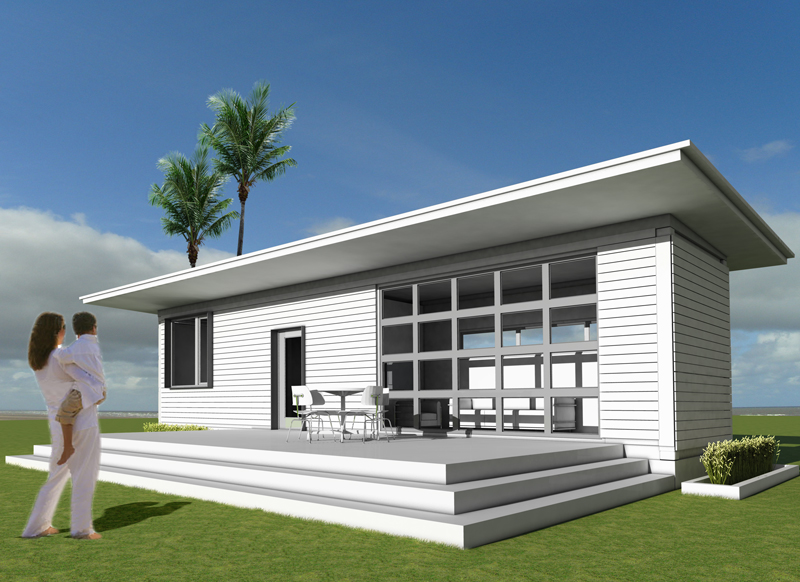
Manufactured homes and mobile residences offer an accessible and often more affordable pathway to homeownership in Florida, making them an attractive option for many prospective buyers, especially those on a tighter budget or seeking a simpler lifestyle. These homes are constructed in factories and then transported to a home site, offering significant cost savings compared to traditional site-built homes.Manufactured homes are built to a federal standard (the HUD Code) and can be placed on a permanent foundation, allowing them to be treated much like traditional single-family homes, often qualifying for traditional mortgages and eligible for property ownership.
They can range in size from single-section “single-wides” to multi-section “double-wides” and even larger configurations, offering considerable living space and customization options. Mobile homes, while often used interchangeably with manufactured homes, typically refer to older units built before the HUD Code was enacted. These homes are generally less permanent and may be situated in dedicated mobile home parks where the buyer purchases the home but rents the land, or they may be placed on leased land.The appeal of manufactured and mobile homes lies primarily in their affordability.
They can significantly reduce the initial investment required for homeownership, freeing up capital for other investments or lifestyle pursuits. Many communities catering to manufactured and mobile homes offer amenities like swimming pools, clubhouses, and social activities, fostering a strong sense of community. However, buyers should carefully consider the location, the terms of land lease agreements if applicable, and the potential for depreciation, as these homes may not appreciate in value at the same rate as traditional stick-built houses.
Nonetheless, for many, they represent a practical and enjoyable way to embrace the Florida lifestyle.
New Construction Versus Pre-Owned Residences
The decision between purchasing a newly constructed home and a pre-owned residence in Florida is a significant one, with each option presenting a distinct set of benefits and considerations that can heavily influence a buyer’s experience and satisfaction. Understanding these differences is paramount to making the choice that best aligns with your priorities, budget, and long-term goals.Newly constructed homes offer the allure of modern design, cutting-edge features, and the peace of mind that comes with everything being brand new.
Buyers can often select from a range of floor plans, finishes, and upgrades, allowing for a highly customized living space from the outset. These homes are built to the latest building codes and energy efficiency standards, potentially leading to lower utility bills and reduced maintenance in the initial years. Warranties provided by the builder offer an added layer of security against unforeseen issues.
The “newness” itself is a significant draw, meaning no previous owner’s wear and tear, and the opportunity to be the very first to inhabit the space. However, new construction often comes with a higher price tag and may be located in developing areas, potentially further from established amenities or job centers. The construction process can also involve waiting periods, and there’s a possibility of encountering unexpected delays.Pre-owned homes, on the other hand, offer a different set of advantages, often at a more accessible price point.
These properties come with established neighborhoods, mature landscaping, and proximity to existing infrastructure and amenities like schools, shopping, and transportation. Buyers can often find homes with more character, unique architectural details, and larger lot sizes than are typically available in newer developments. The immediate availability of a pre-owned home means you can move in sooner, without the extended waiting periods associated with new construction.
Furthermore, the price of a pre-owned home may leave more room in the budget for renovations or personalizations, allowing buyers to update the property to their specific tastes and needs. The primary considerations for pre-owned homes involve potential maintenance and repair costs, the need for updates to meet modern standards, and the absence of builder warranties. A thorough home inspection is crucial to identify any existing issues.
Closing Summary
In essence, the Florida real estate market is a multifaceted landscape brimming with potential. By understanding the current market conditions, identifying desirable features, navigating the acquisition process with diligence, and comprehending the financial intricacies, prospective buyers can confidently embark on their journey to homeownership. This guide has aimed to provide a thorough overview, empowering you to make sound decisions and ultimately find a piece of paradise in the Sunshine State.
FAQ Summary
What are the current average sale prices for homes in Florida?
Average sale prices in Florida can vary significantly by region, but generally, they have seen an upward trend. It’s advisable to consult recent market reports specific to your desired area for the most accurate figures.
Are there specific regions in Florida with higher or lower property taxes?
Yes, property taxes can differ based on the county and municipality. Coastal areas or those with higher demand might have different tax rates compared to inland or less developed regions.
What is the typical timeline for closing on a home in Florida?
The closing process in Florida typically takes between 30 to 60 days, though this can be influenced by financing contingencies, inspection timelines, and the availability of all parties.
Are there any specific licenses required for real estate agents in Florida?
Yes, all real estate agents and brokers in Florida must hold a valid license issued by the Florida Department of Business and Professional Regulation (DBPR).
What are the most common closing costs for homebuyers in Florida?
Common closing costs include appraisal fees, title insurance, loan origination fees, recording fees, attorney fees, and prepaid items like property taxes and homeowner’s insurance premiums.