Houses for Sale in Dominican Republic presents a comprehensive exploration of acquiring residential properties within this Caribbean gem. This guide delves into the unique appeal of the Dominican Republic as a prime destination for real estate investment, highlighting its rich cultural tapestry, breathtaking natural beauty, and burgeoning economic stability that consistently attracts international buyers. We will navigate the diverse geographical regions, from the vibrant North Coast to the serene Eastern shores and the majestic mountainous interior, showcasing the distinct characteristics and lifestyle offerings of each area.
Furthermore, this exploration will detail the varied types of housing available, from luxurious beachfront villas and contemporary apartments to charming traditional homes and secluded estates, all while describing the prevalent architectural styles that define the Dominican landscape.
Beyond the allure of the properties themselves, this resource meticulously Artikels the essential steps involved in purchasing a home as a foreign national. Understanding the legal framework and property ownership rights is paramount, and we will emphasize procedures for title verification and registration. The intricacies of securing financing or managing cash transactions are laid bare, complete with typical timelines and required documentation.
We also shed light on the crucial roles of real estate agents, lawyers, and notaries, ensuring a smooth acquisition process. Hypothetical scenarios will illustrate negotiation tactics, common clauses, and crucial considerations for buyers. Finally, a clear breakdown of associated costs, beyond the purchase price, including closing expenses, taxes, and ongoing maintenance fees, will empower you with complete financial clarity.
Discovering the allure of acquiring residential properties within the Dominican Republic’s diverse landscapes.
The Dominican Republic, a jewel of the Caribbean, beckons with an irresistible blend of vibrant culture, breathtaking natural beauty, and a burgeoning economic landscape, making it an increasingly attractive destination for international real estate investment. Beyond its famed beaches, the island nation offers a rich tapestry of experiences that resonate with a diverse range of buyers seeking not just a property, but a lifestyle.
The warmth of its people, the infectious rhythms of merengue and bachata, and the historical significance woven into its colonial architecture create an ambiance that is both captivating and welcoming. This cultural richness is complemented by a growing economic stability, with infrastructure development and a robust tourism sector providing a solid foundation for property values and rental income potential. For those looking to invest, the Dominican Republic presents a compelling case, offering a unique synergy of leisure, culture, and financial opportunity that is hard to find elsewhere.
The nation’s commitment to fostering foreign investment, coupled with its relatively affordable cost of living and property prices compared to other Caribbean islands, further enhances its appeal. This combination of tangible assets and intangible charm makes the Dominican Republic a prime location for those dreaming of owning a piece of paradise.The allure of the Dominican Republic as a real estate investment hub is deeply rooted in its multifaceted appeal.
Culturally, it is a melting pot of Taíno, African, and European influences, evident in its music, dance, cuisine, and art. This vibrant cultural scene offers a dynamic living experience, with festivals, local markets, and historical sites providing constant engagement. Economically, the country has experienced consistent growth, driven by sectors such as tourism, agriculture, and services. This stability translates into a more secure investment environment for property owners, with a rising demand for both long-term rentals and vacation accommodations.
The government’s proactive approach to attracting foreign investment, including favorable tax incentives and streamlined property acquisition processes, further solidifies its position as a prime real estate market. Moreover, the cost of living remains significantly lower than in many developed nations, allowing expatriates and investors to enjoy a high quality of life without exorbitant expenses. This economic resilience, coupled with a welcoming attitude towards foreigners, creates a compelling proposition for anyone considering a property purchase.
Geographical Regions for Desirable Homes
The Dominican Republic unfolds across a diverse geographical spectrum, each region offering a distinct lifestyle and a unique set of residential opportunities. Understanding these variations is key to finding the perfect home that aligns with your aspirations. From the sun-drenched coastlines to the tranquil highlands, there is a corner of the island that caters to every preference.The North Coast is perhaps the most internationally recognized region, renowned for its pristine beaches, vibrant tourist hubs, and a well-established expatriate community.
Areas like Puerto Plata, Sosúa, and Cabarete are magnets for those seeking an active lifestyle. Puerto Plata boasts historical sites and a lively port, while Sosúa offers a blend of beautiful beaches and a bustling town atmosphere. Cabarete, a world-renowned mecca for windsurfing and kitesurfing, attracts a younger, more adventurous crowd. The real estate here ranges from luxurious beachfront villas and modern apartment complexes to charming townhouses, often with amenities catering to international tastes.
The lifestyle is characterized by water sports, a lively nightlife, and a strong sense of community among residents and visitors alike.Moving to the Eastern Shores, Punta Cana and Bávaro stand out as the epicenters of luxury tourism and exclusive residential developments. This region is famous for its miles of white-sand beaches, crystal-clear turquoise waters, and a plethora of world-class resorts and golf courses.
The real estate offerings are predominantly high-end, featuring sprawling beachfront estates, contemporary villas with private pools, and upscale condominium developments integrated into manicured communities. The lifestyle here is one of refined relaxation and indulgence, with an emphasis on privacy, security, and access to premium services and amenities. While it is a popular tourist destination, many developments are designed to offer a tranquil residential experience away from the main tourist thoroughfares.For those who envision a life surrounded by nature’s grandeur and a more serene pace, the Mountainous Interior presents a compelling alternative.
Regions like Jarabacoa and Constanza offer a refreshing escape from the coastal heat, with cooler climates, lush green landscapes, and a more authentic Dominican experience. These areas are ideal for those seeking tranquility, outdoor adventure, and a connection with nature. Residential properties here often include charming mountain cabins, traditional Dominican homes nestled in the hillsides, and larger, secluded estates offering panoramic views.
The lifestyle is focused on hiking, horseback riding, exploring waterfalls, and enjoying the simple pleasures of rural life. It’s a chance to immerse oneself in the island’s natural beauty and experience a slower, more grounded way of living.
Comparative Overview of Housing Types and Architectural Styles
The Dominican Republic offers a diverse spectrum of housing options, each reflecting the region’s character, climate, and cultural influences. From opulent seaside retreats to rustic inland dwellings, the architectural styles are as varied as the landscapes they inhabit. Understanding these distinctions is crucial for prospective buyers aiming to find a property that not only meets their functional needs but also resonates with their aesthetic preferences.At the forefront of desirable properties are the Beachfront Villas.
These luxurious residences are typically found along the most sought-after coastlines, particularly in regions like Punta Cana and the North Coast. Architecturally, they often feature expansive open-plan living spaces designed to maximize ocean views and capture the gentle sea breeze. Common elements include large terraces, private infinity pools, direct beach access, and high-end finishes such as marble flooring and natural wood accents.
The styles can range from modern, minimalist designs with clean lines and expansive glass facades to more traditional Caribbean aesthetics with thatched roofs, colonial-inspired shutters, and vibrant tropical landscaping. These villas are synonymous with a lavish lifestyle, offering unparalleled comfort and direct engagement with the marine environment.Complementing the villas are Modern Apartments, which have become increasingly popular, especially in urban centers and popular tourist zones.
These units are often located within gated communities or high-rise buildings that offer a range of amenities, including communal pools, fitness centers, and 24-hour security. The architectural design emphasizes functionality and contemporary living, with efficient layouts, modern kitchens and bathrooms, and balconies or terraces for outdoor enjoyment. Materials used are typically durable and low-maintenance, suitable for the tropical climate. These apartments appeal to buyers seeking a lock-and-leave lifestyle, retirees, or those who value the convenience and security of community living.For a more authentic and rooted experience, Traditional Homes are scattered throughout the island, particularly in smaller towns and rural areas.
These residences often embody the local architectural heritage, characterized by colorful facades, pitched tiled roofs, and enclosed courtyards. They are built with locally sourced materials, prioritizing natural ventilation and shade. The interiors may feature high ceilings, wooden beams, and a simpler, more functional layout. These homes offer a genuine glimpse into Dominican life, allowing residents to connect with the local culture and community on a deeper level.
They are often more affordable and provide an opportunity for personalization and integration into the local fabric.Finally, Secluded Estates are found in more remote or elevated areas, particularly in the mountainous interior. These properties offer a sense of privacy and exclusivity, often set on large plots of land with sprawling gardens and breathtaking views. The architectural styles can vary widely, from rustic farmhouses and hacienda-style homes with terracotta roofs and courtyards to more contemporary designs that blend seamlessly with the natural landscape.
Emphasis is placed on creating a tranquil sanctuary, with features such as expansive outdoor living areas, natural stone elements, and sustainable design principles. These estates are ideal for those seeking a peaceful retreat, a connection with nature, and a private haven away from the hustle and bustle.
Anticipated Daily Life and Experiences for Homeowners
Embracing homeownership in the Dominican Republic means stepping into a lifestyle rich with sensory delights and steeped in local customs, varying significantly depending on the chosen locale. The rhythm of daily life is often dictated by the sun, the sea, and the vibrant social fabric of the communities.Imagine waking up in a beachfront villa on the North Coast. The first sensation is the gentle caress of a warm, salty breeze wafting through open windows, carrying the distant, soothing sound of waves lapping the shore.
Your morning coffee is enjoyed on a sun-drenched terrace, watching local fishermen prepare their boats as the sky transitions from soft pastels to a brilliant azure. The day might involve a refreshing swim in the ocean, followed by a leisurely breakfast featuring fresh tropical fruits like mangoes, papayas, and passion fruit, perhaps from a nearby farmer’s market. Afternoons could be spent exploring charming coastal towns, engaging in water sports like snorkeling or paddleboarding, or simply relaxing under the shade of a palm tree.
Evenings are often social affairs, with neighbors gathering for grilled seafood dinners, accompanied by the infectious beat of local music, fostering a strong sense of camaraderie.In a modern apartment in Punta Cana, the daily experience is one of refined convenience and resort-style living. Mornings might begin with a workout at the on-site fitness center, followed by a dip in the communal pool.
Breakfast could be a quick, delicious pastry and coffee from a local café. The proximity to world-class golf courses means a round of golf is often on the agenda, or perhaps a day at one of the pristine, well-maintained beaches. Shopping for groceries is easy, with modern supermarkets offering a wide selection of local and imported goods. Evenings often involve dining at sophisticated restaurants within the resort or exploring the vibrant nightlife, all within a secure and well-managed environment.
The sense of community here is often fostered through shared amenities and organized social events, providing a comfortable and engaging lifestyle.Life in a traditional home in the mountainous interior offers a different, yet equally captivating, experience. Mornings are greeted with the crisp, cool air of the highlands and the symphony of birdsong. Your day might start with a walk through lush coffee plantations or a hike to a cascading waterfall.
The pace is slower, more deliberate, allowing for a deep appreciation of nature. Midday meals are often simple, hearty affairs, prepared with fresh, locally grown ingredients. Afternoons could involve visiting local artisans, learning about traditional crafts, or simply enjoying the panoramic views from your porch with a cup of locally grown coffee. Evenings are typically quiet and peaceful, perhaps spent gathered with family and friends around a fire, sharing stories and enjoying the tranquility of the mountains.
The warmth of the local community is palpable, with neighbors often sharing produce and offering assistance, creating a strong sense of belonging.For those residing in a secluded estate in the interior, the experience is one of ultimate peace and connection with nature. Mornings are heralded by the quiet rustling of leaves and the distant calls of exotic birds. Your days are your own, perhaps dedicated to tending a personal garden, exploring the expansive grounds, or simply meditating amidst the serene beauty of the landscape.
The focus is on self-sufficiency and tranquility. Meals are often prepared with ingredients harvested from your own land or sourced from nearby organic farms. Evenings are a spectacle of stars, unpolluted by city lights, providing an unparalleled celestial display. The solitude is not one of loneliness, but of profound peace and rejuvenation, a true escape into nature’s embrace.
Understanding the financial considerations and investment potential when buying a Dominican Republic residence.
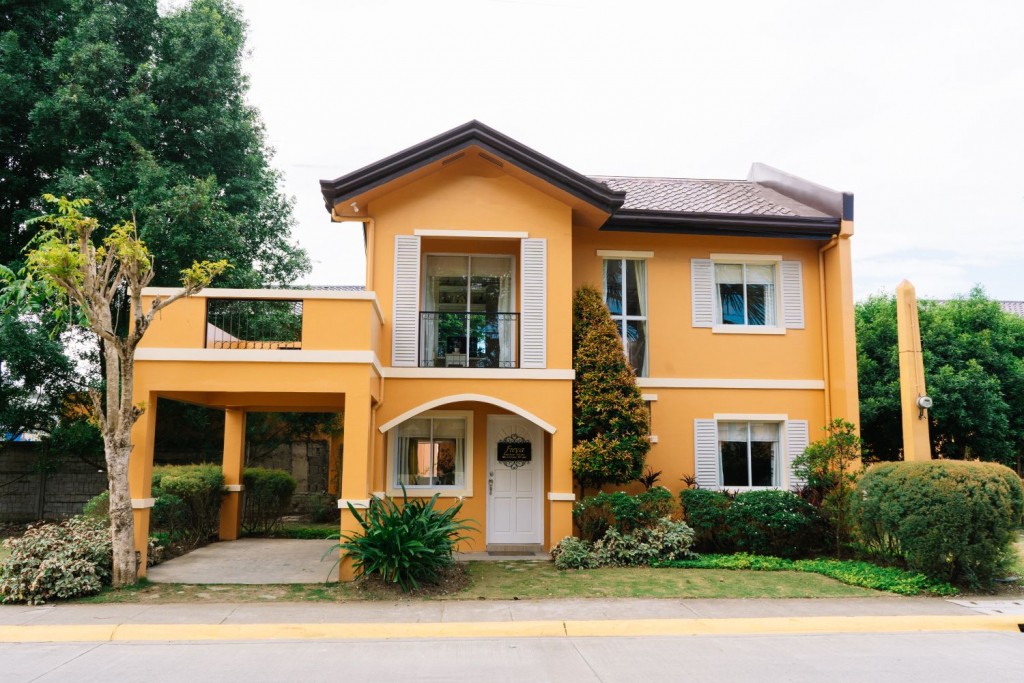
Embarking on the journey of acquiring a property in the Dominican Republic involves a thorough understanding of its financial landscape. This includes grasping current market dynamics, evaluating investment potential, and being aware of the associated costs. A well-informed approach ensures that your real estate acquisition is not only a sound financial decision but also a gateway to enjoying the Dominican lifestyle.The financial aspect of buying property in the Dominican Republic is multifaceted, encompassing market trends, rental income possibilities, property appreciation, tax obligations, and the strategic choice between different property types.
By delving into these areas, prospective buyers can make informed decisions that align with their financial goals and lifestyle aspirations.
Dominican Republic Real Estate Market Trends and Price Ranges
The Dominican Republic’s real estate market is characterized by its dynamic nature, offering a wide spectrum of opportunities across diverse locations. Popular destinations like Punta Cana, the North Coast (Puerto Plata, Cabarete, Sosúa), and the Samaná Peninsula consistently attract international buyers due to their appealing lifestyles and robust tourism sectors. In these prime areas, price ranges can vary significantly. For instance, in Punta Cana, beachfront villas or luxury apartments can range from $300,000 to well over $1 million USD, reflecting the premium associated with prime coastal real estate and exclusive resort amenities.
Further inland or in less developed but still desirable areas, smaller apartments or houses might be found starting from $80,000 to $150,000 USD.The North Coast offers a different value proposition. Coastal properties in areas like Sosúa and Cabarete, known for their vibrant expat communities and water sports, might see condos and homes ranging from $150,000 to $500,000 USD. The Samaná Peninsula, with its natural beauty and growing tourism infrastructure, presents opportunities for both luxury retreats and more affordable inland properties, with prices often starting around $100,000 for smaller homes and escalating to $700,000+ for high-end beachfront estates.
Beyond these popular hubs, inland cities and towns offer even more budget-friendly options, with modest homes available for under $70,000 USD. These price points offer a sense of value, especially when considering the tropical lifestyle and the potential for investment returns. The market is generally stable, with steady demand driven by both tourism and a growing expat population seeking residency or a second home.
Developers are actively investing in new projects, particularly in areas with strong tourism appeal, which can lead to competitive pricing and attractive payment plans for buyers.
Rental Income and Property Appreciation Potential
The Dominican Republic presents a compelling case for homeowners looking to generate rental income and benefit from property appreciation. For many, a property in this tropical paradise serves a dual purpose: a personal retreat and a source of passive income. The robust tourism industry is a primary driver of rental demand, particularly in well-established tourist zones like Punta Cana, where short-term vacation rentals are highly sought after.
High-season occupancy rates can be significant, allowing owners to offset their mortgage payments, maintenance costs, and even generate a profit. Rental yields can range from 5% to 10% annually, depending on the location, property type, and management efficiency. For example, a well-maintained two-bedroom apartment in a popular resort area could command $100-$200 USD per night during peak season, translating into substantial income over several months.Property appreciation is another attractive aspect of investing in the Dominican Republic.
While historical appreciation rates can fluctuate, many desirable areas have seen steady growth, especially those undergoing infrastructure development or experiencing increased tourism. Areas that have benefited from new international airport expansions or the development of high-quality resorts have witnessed significant property value increases. For instance, properties in regions that have seen substantial investment in tourism infrastructure over the past decade have often doubled in value.
Factors influencing appreciation include the overall economic health of the country, the continued growth of tourism, foreign investment policies, and the development of local amenities and services. Properties with unique selling points, such as ocean views, private pools, or proximity to golf courses and beaches, tend to appreciate at a faster rate. Furthermore, the ongoing development of new residential projects, particularly those offering modern amenities and sustainable designs, can also contribute to a rising market value for comparable existing properties.
Careful selection of location and property type, coupled with effective property management for rentals, can maximize both immediate income and long-term capital gains.
Taxes and Ongoing Fees for Property Owners
Owning property in the Dominican Republic entails a set of recurring financial obligations that are crucial for budgeting and financial planning. Understanding these costs ensures a clear picture of the total ownership expense. The primary tax levied on real estate is the annual property tax, known as the Impuesto sobre la Propiedad Inmobiliaria (IPI). This tax applies to properties valued above a certain threshold, currently RD$8,000,000 (approximately $140,000 USD, though this can fluctuate with exchange rates).
The tax rate is 1% of the value exceeding this threshold. For example, if a property is valued at RD$10,000,000, the tax would be calculated on RD$2,000,000 at 1%, resulting in RD$20,000 annually. It’s important to note that this threshold is subject to change by government decree.Beyond property tax, there are other potential fees and costs. For properties purchased from developers, there may be a one-time transfer tax of 3% on the sale price.
For non-residents, the process of obtaining a title can involve legal fees and registration costs. Utility costs are also a significant ongoing expense. Electricity prices can be relatively high, especially in tourist areas, and usage can increase substantially with the use of air conditioning. Monthly bills for electricity, water, and gas can range from $50 USD for a small apartment to several hundred dollars for a larger villa, depending on consumption and location.Community charges, often referred to as Homeowners Association (HOA) fees or “gastos comunes,” are common in condominiums, gated communities, and resorts.
These fees cover the maintenance of common areas, security, landscaping, swimming pools, and other shared amenities. They can range from $50 USD per month for a basic apartment to $300 USD or more for luxury properties with extensive facilities. Owners are also responsible for general maintenance and repairs of their property, which can include anything from minor touch-ups to more significant structural work, depending on the age and condition of the property.
Additionally, some municipalities may levy local service fees.
Primary Residence vs. Vacation Home vs. Investment Property
The decision to purchase a property in the Dominican Republic can be driven by various motivations, each with its distinct advantages and disadvantages when considering a primary residence, a vacation home, or a pure investment property.Purchasing a primary residence is for those who intend to live in the Dominican Republic full-time or for extended periods. The advantages here include fully immersing oneself in the local culture, building a community, and potentially reducing long-term living costs compared to renting.
However, the disadvantages can be significant. Relocating permanently involves navigating complex visa and residency requirements, which can be time-consuming and require substantial documentation. There’s also the potential for cultural adjustment challenges and the need to establish a new network of services and support. For a primary residence, factors like proximity to essential services, healthcare facilities, and international airports become paramount.A vacation home is typically purchased for personal use during holidays and leisure time, with the potential for rental income when not in use.
The primary advantage is having a guaranteed, familiar place to escape to, avoiding the hassle and expense of hotel bookings. This offers a consistent level of comfort and familiarity. The disadvantages include the costs associated with maintaining a property that is often unoccupied for significant periods, including security, cleaning, and utilities. Property management services are often necessary to ensure the property is well-cared for and to handle rental bookings, which adds to the expense.
The investment potential is secondary, focused more on lifestyle benefits and occasional income generation.An investment property is acquired with the primary goal of generating financial returns through rental income and capital appreciation. The advantage is a focus on maximizing profitability, often leading to strategic choices in location and property type that might not align with personal lifestyle preferences. For instance, an investor might choose a property in a high-demand rental area, even if it’s not their ideal vacation spot.
The disadvantage is that the property is treated purely as a business asset, which can mean less personal enjoyment and a greater reliance on professional management to ensure optimal returns. The decision-making process for an investment property is heavily data-driven, focusing on market analysis, projected rental yields, and long-term growth potential. Buyers in this category often prioritize properties that are easy to rent, require minimal personal upkeep, and are located in areas with strong tourism or economic growth.
Economic Factors Impacting the Dominican Republic Real Estate Market
The real estate market in the Dominican Republic is intrinsically linked to the nation’s economic performance and development trajectory. Several key economic factors significantly influence property values, demand, and investment potential.Tourism growth is arguably the most potent driver of the Dominican Republic’s real estate market. As a major contributor to the GDP, the steady influx of international tourists fuels demand for vacation rentals, hotels, and related services.
An increase in tourist arrivals directly translates to higher occupancy rates and rental income potential for properties in popular destinations. For example, when the country experiences a surge in visitors, driven by marketing campaigns or new flight routes, the rental market in areas like Punta Cana and Puerto Plata often sees a corresponding increase in demand and pricing. The government’s commitment to expanding and improving tourism infrastructure, including airports, cruise ports, and resorts, further solidifies this link.Infrastructure development plays a crucial role in enhancing the attractiveness and accessibility of various regions for both residents and investors.
Investments in road networks, utilities (water, electricity, internet), and public transportation can open up previously less accessible areas, making them more desirable for development and property acquisition. For instance, the construction of a new highway connecting a major city to a coastal region can significantly boost property values in that newly accessible area by reducing travel times and improving convenience.
This development not only benefits local communities but also makes the country more appealing to foreign investors seeking well-connected and functional living environments.Foreign investment policies and the overall ease of doing business are also critical determinants of real estate market health. The Dominican Republic has actively sought to attract foreign capital through various incentives and legal frameworks designed to protect foreign investors.
Policies that simplify property ownership for non-residents, offer tax benefits, and ensure legal security of title deeds encourage international buyers. A stable political environment and predictable economic policies create confidence among foreign investors, leading to increased demand for real estate. Conversely, any perceived instability or unfavorable policy changes can deter investment. The government’s proactive approach in creating a welcoming environment for foreign investment has been instrumental in the sustained growth of its real estate sector, attracting a significant portion of its market share from international buyers.
Exploring the diverse lifestyle opportunities that owning a home in the Dominican Republic offers.: Houses For Sale In Dominican Republic
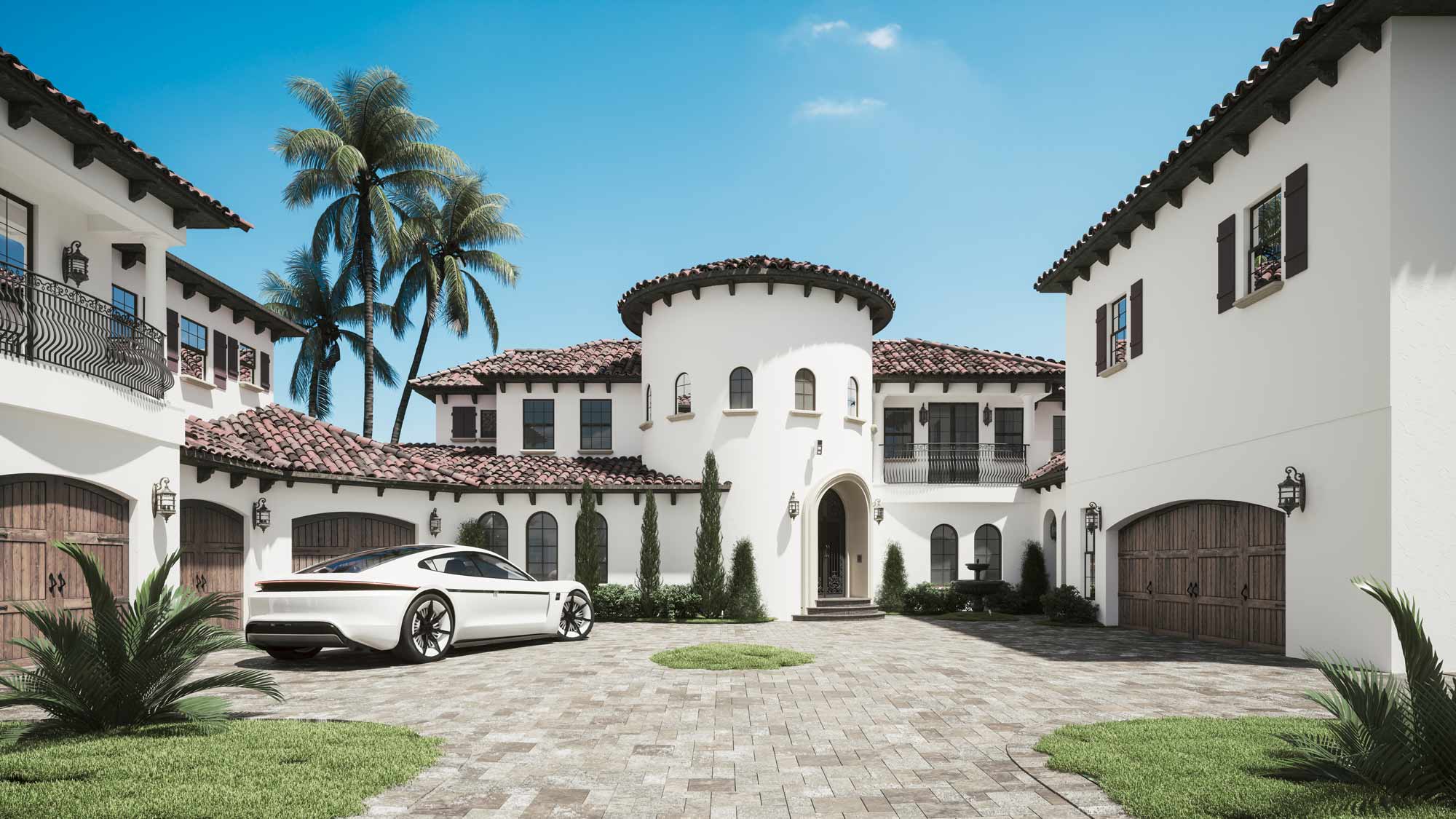
Beyond the tangible benefits of property ownership, residing in the Dominican Republic unlocks a vibrant tapestry of lifestyle opportunities, catering to a wide array of interests and preferences. It’s a destination that truly offers something for everyone, from the adrenaline seeker to the culture enthusiast, the avid golfer to the peace-seeking retiree. The island nation pulsates with a unique energy, inviting residents to embrace a life rich in experiences, adventure, and genuine connection.The allure of a Dominican Republic residence extends far beyond its picturesque beaches and stunning natural beauty.
It’s about embracing a lifestyle that is both exhilarating and deeply fulfilling. Whether you envision yourself waking up to the sound of waves, exploring ancient cobblestone streets, or immersing yourself in the rhythm of local life, this Caribbean gem provides the perfect backdrop for your dream existence. The ease with which one can transition from a day of exhilarating activity to a serene evening of cultural appreciation is a hallmark of Dominican living.
Recreational Activities and Leisure Pursuits
The Dominican Republic presents an unparalleled playground for those seeking an active and engaging lifestyle. Water sports enthusiasts will find themselves in paradise, with opportunities for world-class surfing in Cabarete, snorkeling and diving in the crystal-clear waters of Bayahibe and Las Terrenas, and sailing along the expansive coastline. For golf aficionados, the country boasts some of the Caribbean’s most prestigious golf courses, designed by legendary architects and offering breathtaking ocean views.
Imagine teeing off with the Caribbean Sea as your backdrop, a truly unforgettable experience. Beyond the aquatic and the greens, adventure awaits in the form of hiking through the lush mountainous interior, exploring national parks like Los Haitises with its ancient caves and mangroves, or embarking on thrilling zip-lining tours. For those who prefer a more relaxed pace, the island offers serene horseback riding excursions along pristine beaches, birdwatching in diverse ecological zones, and simply unwinding on secluded coves.
As the sun sets, the Dominican Republic truly comes alive with a vibrant nightlife scene. From lively beachfront bars in Sosúa and Punta Cana offering live music and dancing to sophisticated lounges in Santo Domingo, there are endless options to enjoy the island’s infectious energy and warm hospitality. The blend of natural beauty and diverse recreational offerings ensures that boredom is simply not an option for homeowners.
Cultural Immersion Experiences
Owning a home in the Dominican Republic is an invitation to deeply immerse oneself in a rich and captivating culture. Beyond the tourist trails, residents have the unique opportunity to forge genuine connections with local communities. This can involve frequenting local “colmados” (small neighborhood stores) for daily necessities and friendly chats, participating in community events, or simply striking up conversations with neighbors.
The Dominican people are renowned for their warmth and welcoming spirit, making integration a truly rewarding experience. The island’s calendar is punctuated by vibrant festivals that offer a spectacular glimpse into its soul. From the electrifying rhythms of Carnival, with its elaborate costumes and parades, to the more intimate local patron saint festivals in smaller towns, these celebrations are a feast for the senses and a fantastic way to experience Dominican traditions firsthand.
And then there is the cuisine – a delightful fusion of Taino, Spanish, and African influences. Savoring Dominican cuisine is an integral part of cultural immersion. This means indulging in “La Bandera Dominicana” (rice, beans, and meat), enjoying fresh seafood prepared with local spices, and delighting in tropical fruits like mangoes, papayas, and passion fruit. Exploring local markets, learning to cook traditional dishes, and sharing meals with new friends are all part of the culinary adventure that awaits.
Essential Services and Amenities, Houses for Sale in Dominican Republic
A significant aspect of comfortable living in the Dominican Republic involves understanding the availability of essential services and amenities. Modern residential areas, particularly those catering to international residents, are well-equipped to meet diverse needs. Healthcare is a key consideration, and the country has a growing network of reputable private hospitals and clinics, especially in major cities like Santo Domingo and Santiago, as well as in popular tourist hubs.
These facilities often employ bilingual staff and offer a range of specialized medical services. For families with children, the availability of international schools is a crucial factor. Several well-established international schools operate across the country, offering curricula that align with North American and European standards, ensuring a smooth educational transition for expatriate children. Shopping experiences in the Dominican Republic range from bustling local markets, where one can find fresh produce and artisanal crafts, to modern shopping malls that house international brands, supermarkets, and entertainment options.
Major cities boast extensive retail centers, while even smaller towns typically have accessible local shops and markets for daily needs. Access to reliable utilities, including electricity, water, and internet, has steadily improved, with many newer developments offering enhanced infrastructure. The presence of these amenities ensures that residents can maintain a comfortable and convenient lifestyle, blending the joys of Caribbean living with the practicalities of modern life.
An Ideal Day in Las Terrenas
Imagine waking up to the gentle caress of a Caribbean breeze filtering through the open windows of your charming villa in Las Terrenas, a picturesque coastal town on the Samaná Peninsula. The first rays of sun paint the sky in hues of orange and pink, a daily masterpiece viewed from your private terrace overlooking the turquoise waters of Playa Las Ballenas.
After a leisurely breakfast of fresh tropical fruits and Dominican coffee, you might decide to take a refreshing dip in your private pool or stroll down to the beach, the soft sand warming your feet. The morning is dedicated to exploration: perhaps a scenic drive along the coast to discover hidden coves, or a visit to the El Limón waterfall for a refreshing swim in its natural pool, surrounded by lush rainforest.
Lunch is a casual affair at a beachfront “colmado,” savoring freshly grilled fish and a cold Presidente beer, while listening to the rhythmic sounds of bachata music. The afternoon might involve a bit of paddleboarding in the calm bay, followed by browsing the artisan shops in the vibrant town center, perhaps picking up some local crafts or unique souvenirs. As the day winds down, you could enjoy an aperitif at a chic beach bar, watching the sunset paint the sky with an even more dramatic palette.
Dinner is a culinary delight at one of Las Terrenas’ acclaimed restaurants, offering a fusion of international and local flavors. The evening concludes with a leisurely walk along the moonlit beach, the gentle lapping of waves providing a soothing soundtrack to a perfectly balanced day, embodying the relaxed yet engaging rhythm of life in this idyllic Dominican locale.
Accessibility and Transportation Options
The Dominican Republic offers a surprisingly accessible and well-connected transportation network, both for navigating the island and for international travel, making certain locations exceptionally convenient for homeowners. Major international airports, including Las Américas International Airport (SDQ) in Santo Domingo, Punta Cana International Airport (PUJ), and Gregorio Luperón International Airport (POP) in Puerto Plata, serve as gateways to the country, with direct flights from numerous cities across North America and Europe.
This ease of access is a significant draw for those seeking a second home or a vacation property. Within the country, a well-maintained network of highways connects major cities and tourist destinations. Renting a car is a popular option for exploring at one’s own pace, offering the freedom to discover remote beaches and charming villages. For longer distances, intercity bus services are reliable and affordable, providing comfortable transportation between major urban centers.
In popular tourist areas and larger cities, taxis and ride-sharing services are readily available, offering convenient options for local travel. For those considering a more permanent move, understanding the transportation infrastructure is key to choosing the right location. Coastal towns like Las Terrenas, while offering a more tranquil lifestyle, are typically within a few hours’ drive of major airports, striking a balance between serenity and connectivity.
Similarly, properties closer to cities like Santo Domingo or Punta Cana offer immediate access to a wider range of amenities and transportation hubs, catering to those who prioritize convenience and global connectivity. The development of infrastructure continues to enhance the ease of movement, making the Dominican Republic an increasingly practical and appealing choice for international homeowners.
Identifying desirable features and amenities that enhance the value and enjoyment of Dominican Republic properties.
Acquiring a property in the Dominican Republic is about more than just an investment; it’s about embracing a lifestyle. The most sought-after homes seamlessly blend functionality with aesthetic appeal, catering to both the relaxed Caribbean pace and the discerning tastes of international buyers. Understanding these key features and amenities is crucial for maximizing both personal enjoyment and the long-term value of your Dominican residence.
This involves appreciating architectural nuances, interior design trends, the vital role of outdoor living, the benefits of curated communities, and the impact of captivating views and strategic locations.
Architectural Styles and Interior Design Elements
The Dominican Republic’s real estate market offers a captivating fusion of traditional Caribbean charm and contemporary elegance, appealing to a broad spectrum of buyers. Colonial Spanish influences are evident in many older homes, characterized by terracotta tile roofs, stucco exteriors, wrought-iron accents, and charming courtyards. These timeless designs evoke a sense of history and romance. More prevalent in newer constructions and luxury developments are modern tropical styles.
These often feature clean lines, open-plan layouts designed to maximize natural light and airflow, and the extensive use of natural materials like wood and stone. Large, expansive windows and sliding glass doors are a hallmark, blurring the lines between indoor and outdoor living.Interior design in desirable Dominican properties emphasizes comfort, luxury, and a connection to the tropical environment. Color palettes frequently draw inspiration from the island’s natural beauty, incorporating soothing blues, greens, and sandy beiges, often accented with vibrant tropical hues in artwork or soft furnishings.
High ceilings are a common feature, enhancing the sense of space and promoting air circulation, a crucial element in the tropical climate. Flooring typically consists of cool, durable materials such as polished ceramic tiles, natural stone, or, in more luxurious settings, hardwood. Kitchens are often designed as open, modern spaces with high-end stainless steel appliances, granite or quartz countertops, and ample cabinetry.
Bathrooms frequently feature spa-like elements, including large walk-in showers, double vanities, and natural stone finishes. Built-in storage solutions are highly valued, helping to maintain a clutter-free and serene living environment. For international buyers, the integration of smart home technology for lighting, climate control, and security is increasingly becoming a desirable feature, adding a layer of modern convenience to the tropical lifestyle.
The overall aesthetic leans towards a sophisticated yet relaxed ambiance, where comfort and style coexist harmoniously with the surrounding natural beauty.
The Importance of Outdoor Living Spaces
In the Dominican Republic, where the climate is consistently warm and inviting, outdoor living spaces are not merely an addition but a fundamental component of a desirable property. These areas are designed to be extensions of the indoor living space, offering opportunities for relaxation, entertainment, and embracing the tropical lifestyle. Private swimming pools are perhaps the most coveted amenity. Ranging from intimate plunge pools to expansive infinity-edge designs that seemingly spill into the ocean or landscape, pools provide a refreshing escape from the heat and a focal point for social gatherings.
The presence of a well-maintained pool significantly enhances the property’s appeal and usability.Terraces and verandas are equally essential. These covered outdoor areas offer shaded retreats, perfect for al fresco dining, lounging with a book, or simply enjoying the gentle tropical breeze and the sounds of nature. They act as transitional spaces, connecting the interior of the home with the vibrant outdoors.
Many properties feature multiple levels of outdoor living space, including rooftop terraces that offer panoramic views and are ideal for sunset cocktails or stargazing. Gardens, whether meticulously manicured or left in a more natural, tropical state, contribute immensely to the ambiance and desirability of a property. Lush vegetation, vibrant flowering plants, and mature trees create a sense of privacy and tranquility, while also attracting local birdlife, further enhancing the sensory experience.
Outdoor kitchens or barbecue areas are also highly sought after, facilitating effortless entertaining and allowing residents to fully capitalize on the year-round pleasant weather. The emphasis is on creating seamless indoor-outdoor flow, maximizing the usable living area and fostering a lifestyle deeply connected to the natural environment.
Benefits of Properties within Exclusive Communities or Resorts
Opting for a property within an exclusive community or resort in the Dominican Republic offers a distinct set of advantages that significantly enhance both the living experience and the investment’s security. Foremost among these is the heightened level of security. These enclaves typically feature controlled access points, 24/7 surveillance, and on-site security personnel, providing residents with peace of mind and a secure environment for themselves and their families.
This is particularly appealing to international buyers who may be less familiar with the local security landscape.Beyond security, these communities often boast an impressive array of shared facilities and amenities that are typically unavailable in standalone properties. This can include championship golf courses, state-of-the-art fitness centers, tennis courts, communal swimming pools, private beach clubs, and a variety of on-site restaurants and bars.
Access to these facilities adds immense value to the resident’s lifestyle, offering convenience and opportunities for recreation and social interaction without the need to travel far from home. Managed services are another significant benefit. Homeowners’ associations or resort management companies typically handle the maintenance of common areas, landscaping, and often, individual property upkeep. This can include services like pool cleaning, gardening, exterior painting, and even rental management for those looking to generate income from their property when not in use.
This managed approach significantly reduces the burden of property ownership, allowing residents to fully enjoy their Dominican residence without the day-to-day responsibilities. Furthermore, these communities often foster a strong sense of camaraderie and social connection among residents, creating a welcoming and integrated living experience.
Descriptive Comparison of Property Views
The view from a Dominican Republic property is a critical element that significantly influences its desirability, ambiance, and market value. Each type of vista offers a unique experience and appeals to different preferences. Ocean vistas are arguably the most iconic and sought-after. Imagine waking up to the sight of the turquoise Caribbean Sea stretching to the horizon, the gentle sound of waves providing a natural soundtrack.
Properties offering direct ocean views or close proximity to the beach often command premium prices. These views evoke a sense of tranquility, freedom, and the quintessential tropical dream. The ever-changing colors of the sea throughout the day, from deep blues to vibrant aquamarines, and the spectacular sunsets over the water provide a constant source of natural beauty.Mountain panoramas offer a different, yet equally captivating, perspective.
Properties nestled in the lush, verdant hills provide breathtaking views of rolling mountains, often cloaked in mist in the early morning or bathed in golden light during sunset. These vistas offer a sense of serenity, seclusion, and a connection to the island’s rugged interior. The cooler air at higher elevations can also be a significant draw. These views are often associated with a more tranquil and private lifestyle, away from the immediate hustle of coastal areas.
Tropical garden settings provide an intimate and immersive experience with the island’s rich biodiversity. Properties that overlook meticulously landscaped gardens, filled with exotic flowers, fruit trees, and swaying palm fronds, offer a sense of lushness and natural abundance. The visual appeal lies in the vibrant colors, the varied textures of the foliage, and the symphony of sounds from tropical birds and insects.
These settings create a peaceful, secluded oasis, perfect for those who appreciate nature’s artistry up close. Some properties might even offer a combination of these views, such as a hillside villa with both ocean and garden vistas, creating an unparalleled living experience. The impact of these views extends beyond aesthetics; they shape the daily rhythm of life, offering constant inspiration and a profound connection to the Dominican Republic’s natural splendor.
Practical Considerations for Choosing a Property
When selecting a property in the Dominican Republic, practical considerations play a pivotal role in ensuring daily life is both enjoyable and convenient. Proximity to key lifestyle hubs significantly influences the overall desirability and functionality of a home. For those who relish the sun, sand, and sea, being within easy reach of pristine beaches is paramount. This means properties that are either beachfront, a short walk away, or a brief drive to popular coastal areas like Punta Cana, Cabarete, or Las Terrenas.
The ability to spontaneously visit the beach for a morning swim, an afternoon of sunbathing, or an evening stroll is a major lifestyle enhancer.Marinas are another important consideration for boating enthusiasts. Properties located near well-equipped marinas offer convenient access for docking personal vessels, chartering yachts, or enjoying the vibrant social scene often associated with these hubs. This caters to a specific segment of the market that values maritime activities and the associated lifestyle.
Golf enthusiasts will prioritize proximity to world-class golf courses. The Dominican Republic boasts several renowned courses, and owning a property nearby allows for regular play and participation in the golfing community. The manicured greens and scenic fairways often contribute to a pleasant surrounding environment, even for non-golfers.Beyond recreational amenities, access to cultural attractions and historical sites adds another layer of richness to daily life.
Properties located near cities like Santo Domingo, with its UNESCO World Heritage colonial zone, offer opportunities to immerse oneself in history, art, and local culture. This includes easy access to museums, art galleries, theaters, and vibrant local markets. Furthermore, the practicality of having essential services within reach is crucial. This includes proximity to international airports for easy travel, quality healthcare facilities, reputable schools (if applicable), and a good selection of shops and restaurants.
A balance between serene living and convenient access to amenities ensures that owning a Dominican Republic property is not just a dream, but a practical and fulfilling reality.
Conclusion
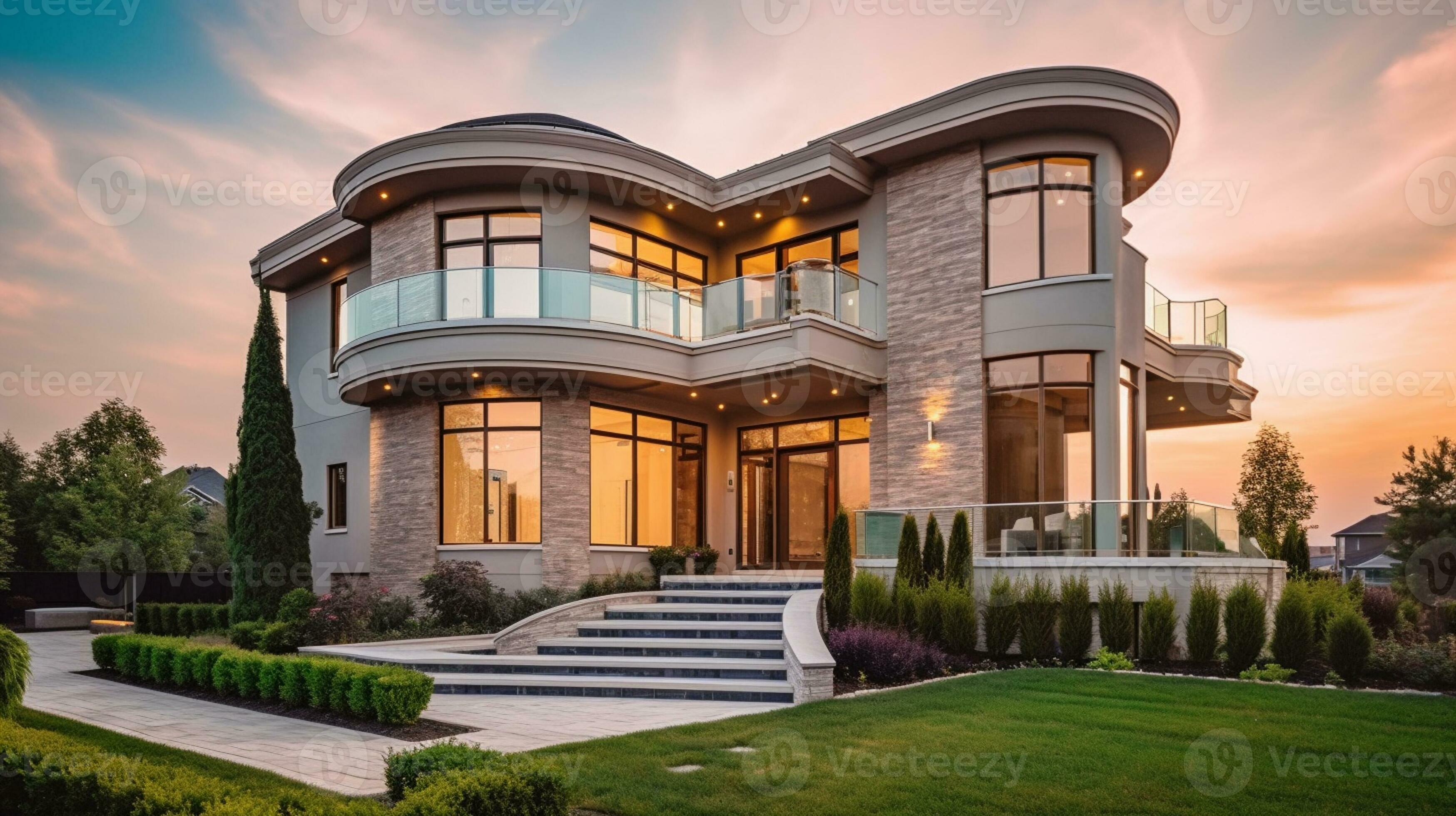
In essence, this comprehensive guide to Houses for Sale in Dominican Republic serves as your ultimate companion for navigating the exciting journey of property ownership in this tropical paradise. From understanding the intrinsic value and investment potential of Dominican real estate to embracing the diverse lifestyle opportunities that await, we have covered every crucial aspect. We have explored the financial considerations, market trends, and the potential for rental income and property appreciation, ensuring you are well-equipped to make informed decisions.
The practicalities of daily life, essential services, and the unique features that enhance property value have also been meticulously detailed. Whether you seek a primary residence, a vacation home, or a strategic investment, this exploration empowers you to confidently discover and secure your dream property in the Dominican Republic, promising not just a home, but a vibrant and fulfilling Caribbean lifestyle.
Questions and Answers
What is the process for foreigners to own property in the Dominican Republic?
Foreign nationals can own property in the Dominican Republic with the same rights as Dominican citizens. The process generally involves verifying the title, signing a purchase agreement, and registering the property, often facilitated by a local attorney.
Are there any restrictions on foreign ownership of beachfront property?
While there are no outright prohibitions, properties within a certain distance of the coastline (typically 30 meters) are considered maritime zones and may have specific regulations or require concessions. It is advisable to consult with a local legal expert regarding such properties.
What are the typical closing costs when buying a property in the Dominican Republic?
Closing costs usually include transfer taxes (around 3% of the property value), legal fees (typically 1-2%), and registration fees. These can vary slightly depending on the specific transaction and location.
Is it easy to obtain a mortgage as a foreigner in the Dominican Republic?
Securing a mortgage as a foreigner can be challenging. Many buyers opt for cash purchases or financing from their home country. Some local banks may offer mortgages, but requirements can be stringent, often involving a significant down payment and proof of income.
What is the typical property tax rate in the Dominican Republic?
The annual property tax (Impuesto al Patrimonio Inmobiliario) applies to properties valued above a certain threshold (currently DOP 8 million, subject to change). The rate is typically 1% of the value exceeding this threshold.