Luxury home price is the focal point of an in-depth exploration into the multifaceted world of high-value real estate. This narrative promises to unravel the complexities behind what makes a property command a premium, offering insights that are both informative and captivating for anyone interested in this exclusive market segment.
We will delve into the economic underpinnings, psychological influences, investment trajectories, transactional nuances, and the evolving role of amenities and technology that collectively shape the valuation of opulent residences. Understanding these elements is crucial for discerning buyers, sellers, and investors navigating the sophisticated landscape of premium property.
The intricate tapestry of factors influencing the valuation of opulent residences across diverse global locales requires a nuanced understanding.
The valuation of luxury homes is a complex art, far removed from the straightforward metrics that might apply to more common properties. It’s a sophisticated interplay of economic principles, aesthetic appeal, and intangible desirability, all of which must be meticulously weighed. This process is not static; it’s a dynamic evaluation that shifts with market conditions, global economic trends, and the unique characteristics of each property and its location.
Understanding this intricate tapestry is crucial for anyone involved in the high-end real estate market, from buyers and sellers to investors and developers. The intrinsic value of a luxury residence is a multidimensional construct, shaped by a confluence of quantifiable and qualitative elements that together define its ultimate worth.
Fundamental economic principles that underpin how the desirability of a high-end property is mathematically determined in distinct market segments.
At the core of luxury property valuation lie fundamental economic principles, primarily supply and demand, but with significant amplifications and nuances specific to the high-end segment. The law of supply and demand, while universally applicable, operates differently when scarcity is artificially created or inherently present. In luxury markets, supply is often inherently limited due to the unique nature of each property, the cost of land in prime locations, and the extensive resources required for construction and finishing.
Demand, conversely, can be exceptionally elastic, influenced by global wealth accumulation, investor sentiment, and the aspirational desires of a select clientele. Mathematical determination often begins with comparable sales (comps), a standard practice in real estate appraisal. However, for opulent residences, the definition of “comparable” becomes significantly more challenging. Adjustments are not just made for square footage or number of bedrooms but for a host of unique features, finishes, and amenities that are rarely identical.A key economic principle at play is the concept of “premium pricing” driven by scarcity and exclusivity.
When a property offers features or a location that cannot be easily replicated, its price is mathematically elevated beyond what a simple cost-based or comparative approach might suggest. This is often captured through a “premium adjustment” in valuation models. Furthermore, the economic principle of “highest and best use” takes on heightened significance. For a luxury property, this might involve its potential for rental income (e.g., as a vacation home), its suitability for a specific type of high-net-worth individual, or its potential for future appreciation in a rapidly developing affluent area.The concept of “price elasticity of demand” is also critical.
While demand for standard housing might be relatively inelastic (people need a place to live regardless of price fluctuations), demand for ultra-luxury properties can be more elastic, particularly for speculative investment. However, for owner-occupiers seeking unique lifestyle attributes, demand might remain robust even at high price points. Mathematical models often incorporate regression analysis to identify statistically significant factors that contribute to price.
For luxury homes, these factors extend far beyond basic property characteristics to include things like brand recognition of the developer, the provenance of the property, or its association with a particular lifestyle.The “economic rent” theory also plays a role, where a property’s location in an ultra-desirable area commands a premium not just for the land itself but for the access it provides to exclusive amenities, services, and social circles.
This intangible economic benefit is difficult to quantify directly but is factored into the overall market perception and, consequently, the valuation. In essence, the mathematical determination of a luxury home’s value is a sophisticated blend of objective data (comps, construction costs, land values) and subjective, yet economically impactful, qualitative assessments that are then translated into monetary terms through adjustments and premium considerations.
Qualitative attributes beyond mere square footage that significantly elevate the perceived worth of a luxury dwelling.
While the tangible aspects of a luxury home, such as its size and the number of rooms, form a baseline for valuation, it is the intangible, qualitative attributes that truly elevate its perceived worth and command premium prices in the market. These elements speak to lifestyle, status, and an unparalleled living experience, making the property desirable beyond its functional utility.
One of the most significant qualitative factors is the quality of craftsmanship and materials. This goes beyond simply stating “high-end finishes.” It refers to the meticulous attention to detail, the use of rare and exotic materials (e.g., imported marble, bespoke cabinetry, artisanal fixtures), and the precision with which everything is executed. A home that feels expertly built, with seamless integration of elements and a palpable sense of enduring quality, is inherently more valuable.Another crucial qualitative attribute is architectural design and aesthetic appeal.
This encompasses not just the visual beauty of the property but also its functionality, flow, and how it harmonizes with its surroundings. A well-conceived design by a renowned architect, featuring innovative layouts, ample natural light, and a timeless aesthetic, adds immense value. This includes the creation of specific “wow” factors, such as grand foyers, soaring ceilings, or breathtaking views, which contribute significantly to the emotional appeal and perceived worth.
Exclusivity and privacy are paramount in the luxury market. A property that offers a secluded setting, with no immediate neighbors or overlooking properties, or is situated within a highly secure and discreet community, holds a distinct advantage. This sense of sanctuary and personal space is a highly sought-after commodity that cannot be easily replicated and therefore commands a higher price. The presence of bespoke amenities and lifestyle features also dramatically impacts value.
This could include private spas, state-of-the-art home theaters, wine cellars with climate control, fully equipped gyms, indoor-outdoor living spaces that seamlessly blend, or even private docks and helipads. These are not mere conveniences; they are lifestyle enhancements that cater to the specific desires of affluent buyers.Furthermore, the integration of smart home technology and sustainability features at a sophisticated level adds to the perceived value. This includes advanced automation systems for lighting, climate control, security, and entertainment, as well as eco-friendly design elements and energy-efficient systems.
These features offer convenience, comfort, and a modern, forward-thinking appeal. Finally, the emotional resonance and storytelling of a property can be a powerful, albeit subjective, driver of value. A home with a unique history, a connection to notable figures, or a particularly captivating narrative can capture the imagination of buyers and command a price that transcends purely rational calculations. These qualitative attributes, when present and expertly executed, transform a house into a coveted estate.
A comparative framework for assessing the impact of architectural style and historical significance on the financial standing of an estate.
The architectural style and historical significance of an opulent residence are not merely aesthetic considerations; they are potent drivers of its financial standing, often differentiating a valuable property from an exceptional one. Assessing their impact requires a comparative framework that acknowledges both the market’s preference for certain styles and the unique allure of a property’s past. When considering architectural style, the framework begins with understanding prevailing market trends and buyer preferences within a specific locale.
Some styles are perennially in demand, such as classic Georgian, timeless Mediterranean, or sleek contemporary designs, due to their perceived elegance, functionality, or association with luxury. A property embodying a highly sought-after architectural style, executed with impeccable fidelity and modern comforts seamlessly integrated, will inherently command a higher financial standing. For instance, a meticulously restored Art Deco mansion in Miami or a minimalist modern villa in Los Angeles designed by a starchitect will attract a premium.Conversely, while niche styles might appeal to a smaller buyer pool, their uniqueness can also translate into significant value if they are exceptionally well-executed and represent a rare offering.
The key is the clarity and integrity of the architectural vision. A home that clearly articulates its style, without stylistic compromises or a muddled aesthetic, is more financially sound. This includes the scale, proportion, and the quality of materials used to realize that style. Historical significance introduces another layer of complexity and value. Properties with a documented provenance, such as those designed by famous architects, previously owned by notable figures, or having played a role in significant historical events, often possess an intrinsic value that transcends their physical attributes.
The framework here involves evaluating the depth and breadth of this significance. Is it a locally recognized landmark or a globally celebrated estate? The more profound and widely recognized the historical connection, the greater its potential financial standing.A comparative assessment might involve looking at sales of other historically significant properties in similar regions. For example, a grand English country estate with ties to royalty or a significant literary figure will likely command a different valuation than a well-preserved but less historically prominent manor.
The state of preservation and any sensitive restorations are also critical. A historically significant property that has been carefully maintained and sympathetically updated to meet modern living standards will be far more valuable than one that has fallen into disrepair or been subjected to unsympathetic alterations. The narrative associated with the property’s history also plays a crucial role; a compelling story can significantly enhance its desirability and financial standing.In essence, the comparative framework assesses how well an architectural style aligns with market demand and how profoundly its historical significance adds a layer of prestige and uniqueness.
Properties that excel in both aspects, or possess an exceptional degree of one, are positioned to achieve superior financial standing. This involves understanding the market’s perception of different architectural eras and the added premium that a compelling historical narrative brings to an estate.
How the prestige of a neighborhood or the exclusivity of a gated community directly translates into increased property worth.
The location of a luxury residence is arguably the most critical determinant of its worth, and within this, the prestige of a neighborhood and the exclusivity of a gated community play pivotal roles in directly translating into increased property value. These factors are not merely geographical descriptors; they are powerful market differentiators that signify status, security, and access to desirable lifestyles.
The prestige of a neighborhood is cultivated over time through a confluence of factors, including its reputation for affluence, its proximity to cultural attractions, world-class dining, high-end retail, and top-tier educational institutions. Neighborhoods like Beverly Hills in Los Angeles, Mayfair in London, or the Upper East Side in New York are synonymous with luxury and exclusivity, and properties within them inherently command higher prices due to this established prestige.This prestige translates into increased property worth through several mechanisms.
Firstly, it attracts a concentrated pool of high-net-worth individuals, creating a robust and consistent demand for properties. This demand, coupled with the often-limited supply of prime real estate in such prestigious areas, naturally drives up prices. Secondly, prestigious neighborhoods often boast superior infrastructure, well-maintained public spaces, and a general ambiance of refinement that enhances the living experience, making properties there more desirable. The social cachet associated with residing in such an area is a significant, albeit intangible, asset that buyers are willing to pay a premium for.Similarly, the exclusivity of a gated community directly amplifies property worth by offering a heightened sense of security, privacy, and curated amenities.
Gated communities are designed to control access, limiting entry to residents and their invited guests, thereby creating a more secure and tranquil environment. This is a particularly strong draw for affluent buyers who prioritize safety and wish to shield their families and assets. The feeling of being part of an elite and private enclave is a powerful psychological driver of demand.Beyond security, gated communities often provide a range of exclusive amenities and services that are unavailable in non-gated areas.
These can include private golf courses, tennis clubs, swimming pools, fitness centers, concierge services, landscaped common areas, and even private parks or beaches. The inclusion of these lifestyle-enhancing facilities adds significant intrinsic value to the properties within the community. Buyers are essentially paying for not just the home but also for access to this integrated luxury lifestyle. The controlled environment and well-maintained common areas within a gated community also contribute to a higher perceived quality of life and a more aesthetically pleasing neighborhood, further boosting property values.
The collective investment in maintaining these standards by the community association ensures a consistently high level of appeal, which is reflected in the sustained appreciation of property values within its confines.
Unveiling the subtle yet powerful psychological drivers that shape buyer perceptions of premium real estate involves delving into aspirations and perceived status.
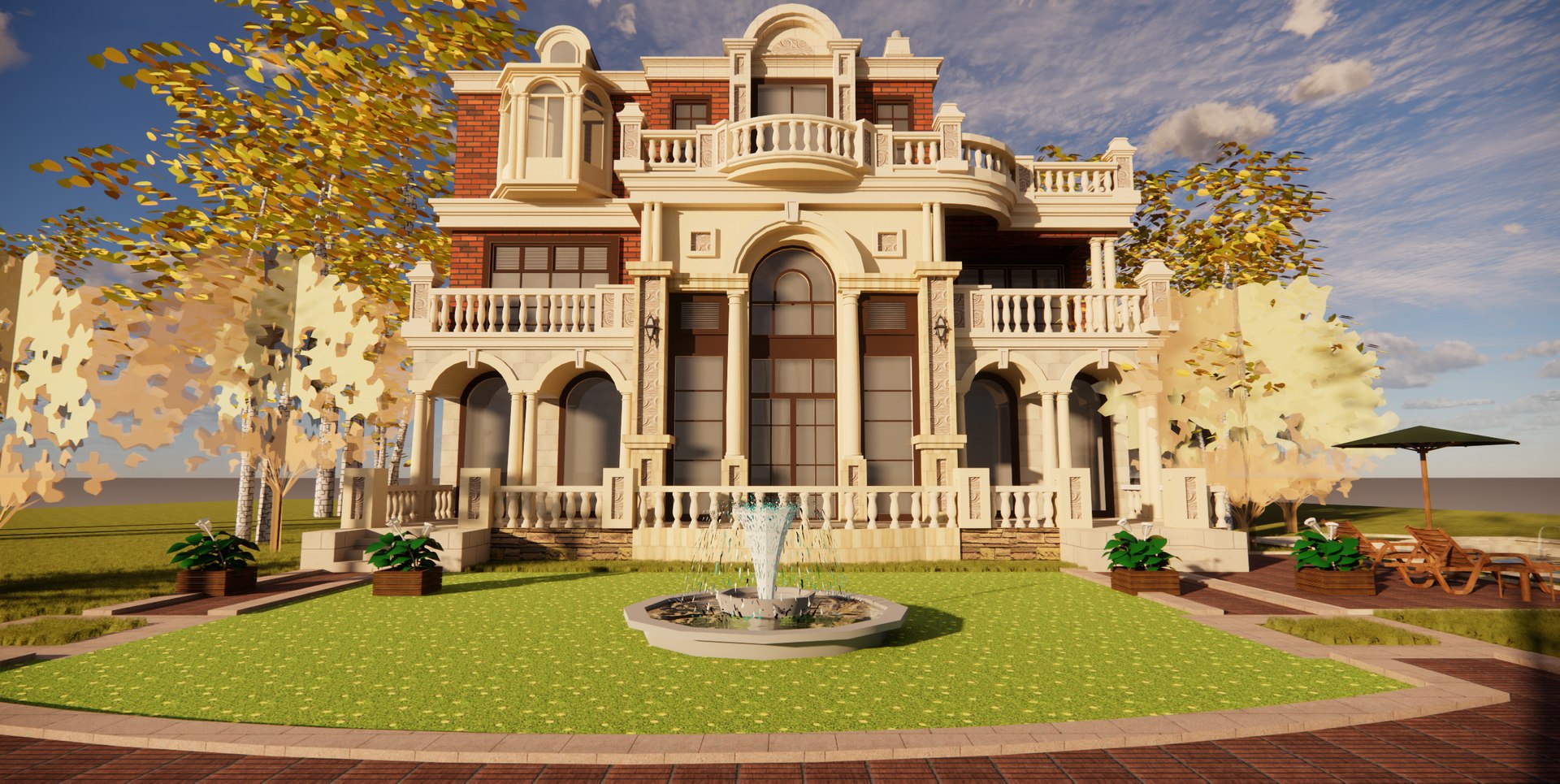
The valuation of opulent residences transcends mere square footage and material costs; it is deeply intertwined with the intangible, yet profoundly influential, realm of human psychology. Buyers of premium real estate are not simply acquiring bricks and mortar; they are investing in dreams, aspirations, and a carefully curated image. Understanding these subtle yet powerful drivers is paramount for accurately assessing the true worth of these exceptional properties.
This exploration delves into the emotional connections, the allure of exclusivity, the aspirational lifestyle, and the potent social signaling that collectively elevate the perceived value of luxury homes on the global stage.
Emotional Connections and Investment Willingness
The emotional resonance a luxury property evokes is often the most potent catalyst for a buyer’s willingness to invest. Exceptional homes possess an almost alchemical ability to connect with a buyer’s deepest desires and aspirations, forging bonds that transcend purely financial considerations. This emotional connection is not merely about aesthetics; it’s about how a property makes an individualfeel*. It can be the feeling of sanctuary and peace derived from a meticulously landscaped garden, the exhilaration of panoramic city views from a penthouse suite, or the sense of belonging fostered by a home steeped in history and character.
These feelings translate into a tangible sense of ownership and a desire to preserve and enhance that emotional asset.For instance, a buyer might be drawn to a historic estate not just for its architectural grandeur but for the palpable sense of legacy and tradition it embodies. They envision themselves as custodians of this history, a narrative that adds immense personal value, making them less sensitive to minor price fluctuations.
Similarly, a modern minimalist villa with breathtaking ocean vistas might appeal to a buyer seeking a profound sense of freedom and rejuvenation. The feeling of expansive space and the soothing rhythm of the waves become integral to the property’s appeal, influencing their perception of its worth far beyond the cost of construction. This emotional investment often leads to a stronger commitment to the purchase and a greater willingness to meet or even exceed the asking price.
The ability of a property to tap into a buyer’s identity, to reflect their personal journey and future ambitions, is a cornerstone of its psychological valuation. It’s the quiet confidence a buyer feels walking through the doors, the certainty that this isthe one*, a feeling that money alone cannot replicate but for which buyers are prepared to pay a premium.
This deep-seated emotional resonance acts as a powerful, albeit often unspoken, determinant in the financial considerations of acquiring a luxury home.
The Role of Exclusivity and Rarity in Creating Desirability
The principles of scarcity and exclusivity are foundational to the creation of desirability in any market, but they take on amplified significance within the realm of luxury real estate. When a property is perceived as rare, unique, and accessible only to a select few, its allure intensifies dramatically. This isn’t just about a limited supply; it’s about the inherent prestige that comes with possessing something that others cannot easily attain.
Rarity can manifest in various forms: a unique architectural design that stands apart from its contemporaries, a prime location with unparalleled views or amenities that cannot be replicated, or a property that represents a significant piece of history or cultural heritage.Consider a penthouse apartment occupying the entire top floor of a world-renowned skyscraper in a major global city. The fact that there is only one such residence inherently imbues it with an extreme level of exclusivity.
Its desirability is further amplified by the fact that no other property in that building, or perhaps even the city, can offer the same level of privacy, panoramic vistas, and direct access to the building’s exclusive services. This scarcity drives demand, as a limited pool of ultra-high-net-worth individuals vie for the singular opportunity to own such a coveted space.Another example is a secluded beachfront villa on a private island.
The inherent rarity of owning a piece of private land in such a pristine, untouched location, coupled with the limited number of such properties globally, creates an aura of unparalleled desirability. The psychological impact of knowing that one possesses something that is not available to the general public, and likely never will be again, is immense. This sense of privilege and ownership of the unattainable is a powerful motivator for buyers, allowing sellers to command premium prices.
The perception of exclusivity, whether due to physical limitations, unique features, or limited availability, transforms a property from a mere dwelling into a symbol of status and achievement, directly impacting its market appeal and financial valuation. This carefully cultivated aura of unobtainability is a key component of luxury real estate pricing strategies.
The Aspirational Lifestyle and Market Appeal
The aspirational lifestyle intrinsically linked to owning a luxury property is a cornerstone of its market appeal and ultimate price. These residences are not just homes; they are portals to a dreamed-of existence, embodying a set of values, experiences, and social standing that many covet. Buyers are often purchasing not just the physical structure but the promise of a particular way of life – one characterized by comfort, elegance, convenience, and prestige.
Explore the different advantages of home houses that can change the way you view this issue.
This aspirational aspect is meticulously crafted and communicated through marketing, design, and the very essence of the property itself.For instance, a sprawling countryside estate might appeal to buyers who envision themselves hosting lavish weekend gatherings, enjoying equestrian pursuits, or simply seeking a tranquil escape from urban life. The property’s amenities, such as manicured gardens, private pools, wine cellars, and entertainment spaces, are designed to facilitate this idealized lifestyle.
The perceived ability to live this dream, to embody the sophistication and leisure associated with such a property, significantly enhances its market appeal. Similarly, a sleek, modern penthouse in a vibrant city center offers a different, yet equally potent, aspirational narrative. It speaks to a life of cosmopolitan sophistication, with immediate access to world-class dining, cultural events, and exclusive social circles.
The panoramic city views from the balcony become a daily reminder of being at the heart of it all, a tangible representation of success and a life lived to its fullest.The market appeal is thus amplified because the property serves as a physical manifestation of a buyer’s aspirations. It represents a tangible goal that they have strived to achieve, and its acquisition signifies a milestone in their personal and professional journey.
This emotional fulfillment, coupled with the social recognition that comes with owning such a property, allows sellers to position their offerings at higher price points. The ultimate price is not just a reflection of the property’s intrinsic value but also of the perceived value of the lifestyle it unlocks and the dreams it fulfills. This powerful psychological link between property and aspiration is a fundamental driver in the luxury real estate market.
The Social Signaling Power of a Prestigious Address
The social signaling power of a prestigious address profoundly impacts the financial considerations of potential acquirers. In the realm of luxury real estate, a postcode is far more than just a geographical marker; it is a potent symbol of status, achievement, and belonging to an elite echelon. Owning a home in a renowned, exclusive neighborhood communicates a distinct message to the outside world, subtly yet powerfully indicating the owner’s success and social standing.
This inherent signaling value contributes significantly to the property’s financial valuation, often justifying a premium that goes beyond the tangible assets of the home itself.Imagine a scenario where two homes are architecturally identical, with similar square footage, finishes, and amenities. However, one is situated on a tree-lined avenue in a historically affluent district, known for its discerning residents and impeccable reputation, while the other is in a less established, albeit still desirable, area.
The property in the prestigious address will invariably command a higher price. This difference is largely attributable to the social capital associated with that specific location. Potential buyers recognize that purchasing in such an address instantly elevates their social profile and connects them with a community of like-minded individuals.For instance, a buyer might be considering two multi-million dollar properties. One is in a well-regarded but perhaps less internationally recognized district, while the other is on a street synonymous with wealth and influence, perhaps a street that is consistently featured in luxury lifestyle magazines or known for housing prominent figures.
The latter property’s address alone acts as a powerful endorsement, signaling a level of success that is immediately understood by peers and the wider community. This unspoken validation is a significant part of the perceived value for the buyer. They are not just buying a house; they are buying entry into a coveted social circle, a membership card to a particular lifestyle.
This social signaling power influences their financial calculations by increasing their willingness to pay a premium for the intangible benefits of prestige, reputation, and the inherent social advantage that a celebrated address confers. The financial considerations become intertwined with the desire for recognition and the aspiration to be associated with a particular social stratum.
Charting the trajectory of investment returns within the high-value property sector necessitates a deep dive into market dynamics and future outlooks.
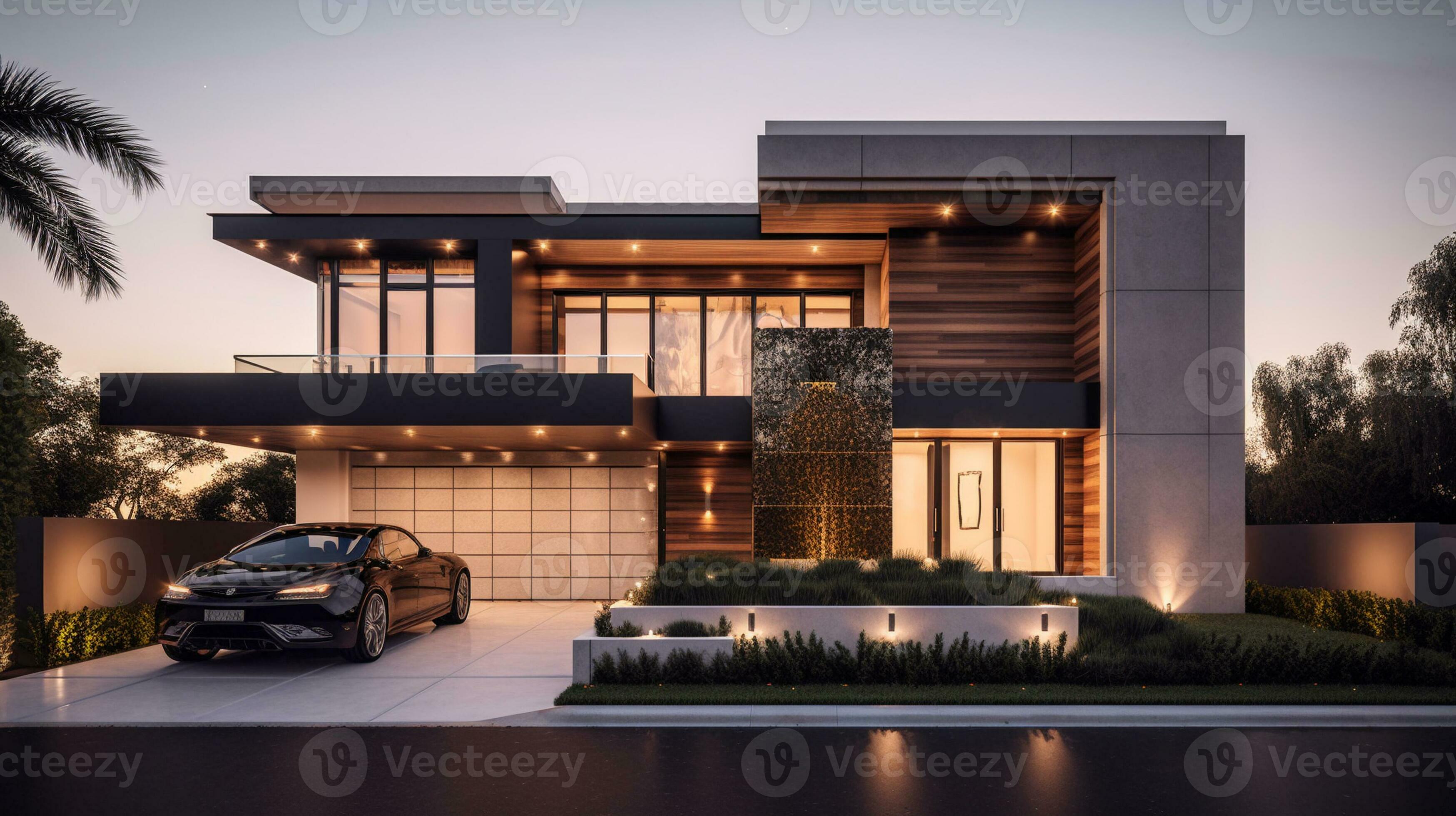
The pursuit of robust investment returns within the rarefied atmosphere of high-value real estate is a complex endeavor, intricately linked to a multitude of economic forces and market specificities. Understanding these dynamics is paramount for investors aiming to navigate this sophisticated asset class effectively. This segment delves into the critical elements that shape the financial performance of luxury properties, from the overarching macroeconomic environment to the granular details of property management and market forecasting.
Macroeconomic Trends Influencing Luxury Property Performance
Macroeconomic trends serve as the foundational bedrock upon which the valuation and investment performance of luxury residences are built. Fluctuations in global and national economic indicators can profoundly impact demand, affordability, and the overall profitability of high-end real estate. For instance, interest rates play a pivotal role. When interest rates are low, borrowing becomes more affordable, stimulating demand for high-value properties as potential buyers can secure more favorable financing terms.
Conversely, rising interest rates can dampen enthusiasm, increasing the cost of mortgages and potentially reducing the purchasing power of a significant segment of the luxury market. This can lead to a slowdown in sales velocity and, in some cases, a stagnation or decline in property values.Inflation is another critical factor. Moderate inflation can sometimes be beneficial for real estate, as it can lead to an increase in the nominal value of properties and a decrease in the real value of debt.
However, high and uncontrolled inflation can erode purchasing power, increase construction costs, and create economic uncertainty, which can deter investment in long-term assets like luxury homes. Geopolitical stability is also a significant, albeit less directly quantifiable, macroeconomic influence. Global events, political unrest, or significant policy shifts in major economies can trigger capital flight or, conversely, attract investment to perceived safe havens, with prime real estate often being a beneficiary.
The availability and cost of labor and materials, influenced by broader economic conditions and supply chain dynamics, also directly affect the cost of development and maintenance for luxury properties, thereby impacting their investment potential. Furthermore, shifts in global wealth distribution and the emergence of new economic powerhouses can redirect investment flows towards specific luxury property markets, creating pockets of exceptional growth.
The overall health of the stock market and other investment vehicles also influences capital allocation; when traditional investments offer lower returns or higher volatility, luxury real estate can become a more attractive alternative for diversification and wealth preservation.
Long-Term Appreciation Potential of Meticulously Maintained and Strategically Located High-End Properties
The enduring allure of high-end real estate as an investment lies significantly in its potential for long-term appreciation, provided certain fundamental criteria are met. Properties that are meticulously maintained and strategically situated are not merely shelters; they are assets designed to appreciate in value over extended periods, often outperforming other asset classes. Strategic location is arguably the most critical determinant.
Examine how Houses for Sale in Dominican Republic can boost performance in your area.
This encompasses proximity to desirable amenities such as top-tier schools, world-class cultural institutions, exclusive shopping districts, and pristine natural landscapes. In global cities, waterfront views, iconic landmarks, or proximity to thriving business hubs are also key differentiators. These locations inherently possess limited supply and high demand, creating a perpetual upward pressure on values. For example, prime areas in London, New York, or Hong Kong have historically demonstrated remarkable resilience and growth in property values, driven by their status as global financial and cultural centers.Meticulous maintenance is equally vital.
Luxury properties are expected to be in pristine condition, reflecting their premium status. Regular upkeep, high-quality renovations, and adherence to architectural integrity ensure that the property retains its appeal and functionality over decades. A well-maintained property minimizes the impact of depreciation and avoids the significant costs associated with deferred maintenance, which can drastically reduce a property’s marketability and value. Furthermore, investing in upgrades that align with evolving luxury trends, such as smart home technology, sustainable features, or enhanced wellness amenities, can further bolster appreciation.
Consider a historic villa in Tuscany that has been lovingly restored and modernized while preserving its original charm; its value would likely far exceed that of a similar property that has fallen into disrepair. The scarcity of prime land in desirable locations, coupled with the rising costs of construction and skilled labor, further contributes to the long-term appreciation potential of well-chosen luxury properties.
This inherent scarcity, combined with the increasing global wealth and desire for unique, high-quality living spaces, creates a powerful engine for sustained capital growth.
Comparative Analysis of Investment Strategies for Luxury Real Estate
When considering an investment in luxury real estate, two primary strategies emerge: focusing on capital appreciation and prioritizing rental income generation. Each approach carries distinct advantages, risks, and requires different management styles, catering to varied investor objectives.Capital appreciation strategies are geared towards maximizing the increase in a property’s value over time. This typically involves acquiring properties in locations with strong projected growth, often driven by economic development, infrastructure improvements, or demographic shifts.
Investors pursuing this strategy are less concerned with immediate rental yields and more focused on the long-term upward trajectory of the property’s market value. They might favor unique architectural properties, historical residences, or those in emerging luxury enclaves that are poised for significant future development. The holding period for such investments is generally longer, allowing market forces to drive up the property’s worth.
For instance, purchasing a property in a revitalizing urban district or a rapidly developing resort area with the expectation of significant future demand exemplifies this approach. The success of capital appreciation hinges on astute market analysis, timely acquisition, and patient holding.Conversely, rental income generation strategies aim to generate a steady stream of income through leasing the property. This approach is often favored by investors seeking a more immediate return on their investment, alongside potential capital growth.
Obtain a comprehensive document about the application of beach homes for sale in florida that is effective.
Luxury properties that command high rental rates are typically those in prime urban centers, exclusive vacation destinations, or areas with a strong demand from high-net-worth individuals, expatriates, or corporate executives. This strategy requires active property management, including tenant screening, lease negotiation, maintenance, and addressing any tenant concerns promptly to ensure high occupancy rates and tenant satisfaction. Properties suitable for this strategy often include serviced apartments, penthouses with premium amenities, or villas in sought-after holiday locations.
For example, a luxury apartment in a financial district rented to expatriate executives or a beachfront villa in a popular tourist destination leased to affluent holidaymakers represent classic rental income strategies. While capital appreciation might be a secondary benefit, the primary focus remains on maximizing rental yields. Some investors may also adopt a hybrid approach, seeking properties that offer both strong rental income potential and robust capital appreciation prospects, a strategy that often requires a deeper understanding of both market dynamics and property management.
Predictive Indicators for Future Shifts in the Valuation Landscape of Premium Homes
Forecasting the future valuation of premium homes requires a keen eye for a range of predictive indicators that signal potential shifts in the market. These indicators, often interconnected, provide insights into the underlying forces that will shape demand, supply, and ultimately, price points for luxury real estate. One of the most significant indicators is the trajectory of global wealth creation and its distribution.
The number of high-net-worth individuals (HNWIs) and ultra-high-net-worth individuals (UHNWIs) is a direct proxy for the potential buyer pool for luxury properties. Growth in these demographics, particularly in emerging economies, often correlates with increased demand for premium residences in established and developing luxury markets. For instance, a significant increase in the number of billionaires in Asia has historically driven demand for prime properties in cities like London, New York, and Sydney.Technological advancements also play a crucial role.
The integration of smart home technology, sustainable building practices, and innovative design elements can significantly influence a property’s desirability and future valuation. Properties incorporating cutting-edge technology or offering superior energy efficiency are likely to command a premium. Furthermore, the development of new transportation infrastructure, such as high-speed rail links or expanded airport capacity, can open up previously inaccessible or less desirable areas, transforming them into future luxury hotspots.
For example, the introduction of a new international airport in a secondary city can dramatically increase its appeal to global investors and luxury buyers.Shifts in lifestyle preferences, influenced by factors like remote work trends or a growing emphasis on wellness and community, are also predictive. Properties offering expansive living spaces, home offices, access to green spaces, or integrated wellness facilities may see their valuations rise as these preferences become more ingrained.
Environmental factors, including climate change and the increasing focus on sustainable living, are also becoming critical. Properties located in areas less susceptible to environmental risks and those incorporating sustainable design and materials are likely to be more resilient and attractive in the long term. For instance, coastal properties in areas prone to rising sea levels might face valuation challenges, while properties in cooler, more temperate climates with abundant natural resources could see increased demand.
Finally, regulatory changes and government policies, such as taxation on foreign ownership or new zoning laws, can have a direct and immediate impact on property valuations. Monitoring these legislative shifts is crucial for anticipating market movements.
The evolution of amenities and technological integration within the opulent residential sphere significantly shapes their enduring allure and financial standing.
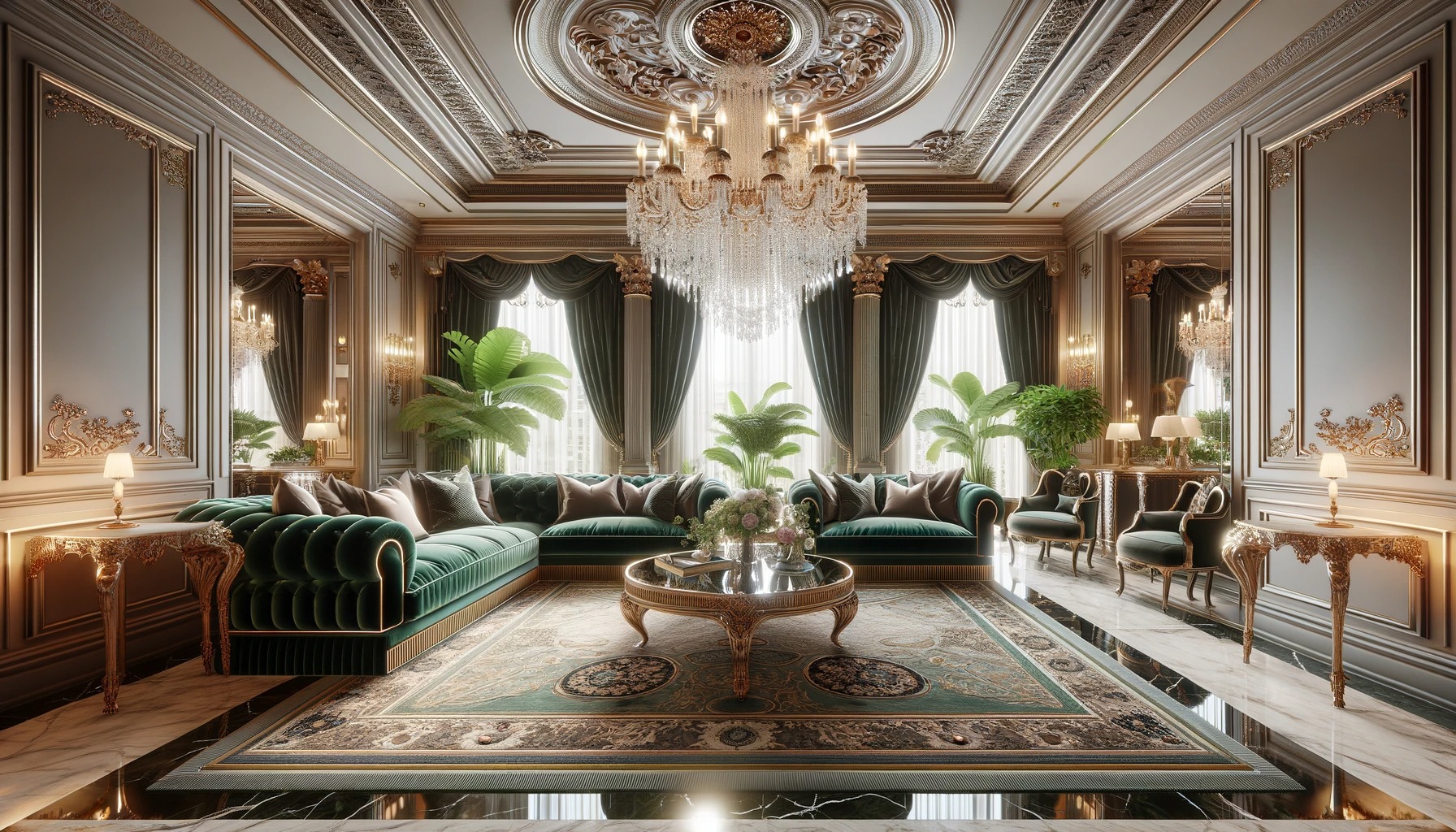
The landscape of luxury real estate is in constant flux, driven by evolving consumer desires and rapid technological advancements. What was once considered an extravagant amenity can quickly become a standard expectation in the premium market. This continuous innovation not only enhances the living experience but also directly impacts the desirability and, consequently, the financial valuation of these high-end properties.
The integration of cutting-edge features and thoughtful design elements is no longer a mere add-on; it’s a fundamental aspect of what defines modern opulence and secures a property’s long-term value.The relentless pace of technological progress has fundamentally reshaped the luxury residential sphere. Properties are no longer just bricks and mortar; they are intelligent, responsive environments designed to cater to the most discerning tastes and sophisticated lifestyles.
This integration of technology is not about novelty; it’s about creating seamless, intuitive, and secure living experiences that enhance comfort, efficiency, and overall well-being. The financial implications are profound, as properties that embrace these advancements command a premium, attracting buyers who value convenience, control, and a forward-thinking approach to homeownership. The ability to manage virtually every aspect of a home—from climate control and lighting to security and entertainment—through a single interface, often accessible remotely via a smartphone or tablet, has become a cornerstone of luxury living.
This level of automation not only offers unparalleled convenience but also contributes to energy efficiency and enhanced security, key considerations for high-net-worth individuals.
Smart Home Technologies and Integrated Automation Systems
The integration of cutting-edge smart home technologies and sophisticated automation systems has become a defining characteristic of contemporary luxury residences, significantly elevating their desirability and market valuation. These systems move beyond simple convenience, offering a holistic approach to home management that enhances security, optimizes energy consumption, and provides unparalleled comfort and entertainment options. Buyers in the premium segment increasingly expect a seamlessly integrated technological ecosystem that anticipates their needs and simplifies daily life.
The initial investment in these advanced systems is substantial, but it translates into a tangible increase in property value, as they represent a commitment to modern living and future-proofing the residence. The ability to control lighting moods, adjust thermostats remotely, manage security cameras, and even automate window treatments through voice commands or a dedicated app transforms a house into an intelligent, responsive sanctuary.
Furthermore, the integration of sophisticated audio-visual systems, custom-designed for optimal acoustics and visual clarity, adds another layer of luxury and entertainment value, making these homes ideal for both personal enjoyment and hosting guests. The underlying infrastructure, often including robust Wi-Fi networks and centralized control hubs, ensures reliability and scalability, allowing for future upgrades and expansions of the smart home capabilities.The appeal of these integrated systems extends to their security features.
Advanced access control, including biometric scanners and remote monitoring capabilities, provides residents with peace of mind. Automated lighting schedules can deter potential intruders, and smart sensors can detect water leaks or smoke, triggering immediate alerts to the homeowner and relevant authorities. This proactive approach to security is a significant selling point for luxury properties. Energy management is another critical area where smart technology shines.
Automated thermostats learn residents’ preferences and optimize heating and cooling schedules, significantly reducing energy waste. Smart lighting systems can adjust brightness based on natural light availability and occupancy, further contributing to energy savings. The data generated by these systems can also provide insights into energy usage patterns, empowering homeowners to make more informed decisions.Ultimately, the incorporation of smart home technologies is not just about features; it’s about creating an environment that is more comfortable, secure, and efficient.
Properties equipped with these advanced systems are perceived as being at the forefront of residential innovation, making them more attractive to a sophisticated buyer pool. This perceived value is directly reflected in their higher market price, as they offer a lifestyle that is both technologically advanced and intuitively luxurious. The complexity and quality of the integration, as well as the reputation of the brands used, also play a role in determining the premium.
A well-executed, user-friendly smart home system is a significant asset that differentiates a luxury property in a competitive market.
Personalized Wellness Spaces
The growing emphasis on health, well-being, and self-care has profoundly influenced the luxury residential market, leading to an increased demand for personalized wellness spaces. These dedicated areas within opulent homes are no longer an afterthought but a core component that significantly boosts a property’s market worth. Homeowners are increasingly seeking environments that support a holistic approach to health, offering opportunities for relaxation, rejuvenation, and physical fitness without the need to leave their private sanctuary.
This trend reflects a broader societal shift towards prioritizing personal well-being and investing in experiences that enhance quality of life. The inclusion of such specialized amenities signals a property’s commitment to providing an elevated living experience that caters to the physical and mental health of its occupants.The incorporation of private spa facilities represents a significant enhancement to a luxury home’s appeal.
These spaces can range from elegantly appointed bathrooms featuring oversized soaking tubs, steam showers with aromatherapy capabilities, and chromotherapy lighting to fully equipped home spas. A comprehensive home spa might include a sauna, a massage room, a dedicated relaxation area with calming ambiance, and even a cold plunge pool. The materials used, such as natural stone, fine woods, and high-quality fixtures, contribute to the serene and luxurious atmosphere.
The ability to unwind and de-stress in a private, customized setting, at any time, is a highly coveted amenity that adds substantial value. Buyers are willing to pay a premium for the convenience and exclusivity that these personal retreats offer, transforming their homes into havens of tranquility and well-being. The design and functionality of these spa areas are often bespoke, tailored to the homeowner’s specific preferences, further enhancing their exclusivity and appeal.Beyond relaxation, advanced fitness centers are becoming a standard expectation in high-end properties.
These are not simply rooms with a treadmill and some weights; they are sophisticated, fully equipped spaces designed to rival professional gyms. This can include state-of-the-art cardio machines, a comprehensive range of strength-training equipment, dedicated areas for yoga and Pilates, and even specialized recovery tools like massage chairs or infrared saunas. The integration of smart fitness technology, such as interactive workout mirrors that provide real-time feedback and personalized training programs, further enhances the value proposition.
The inclusion of amenities like dedicated changing rooms, private bathrooms, and even small refreshment stations elevates the fitness experience to a luxurious level. The market recognizes the significant investment and lifestyle enhancement that these advanced fitness facilities represent, directly translating into increased property valuations.Furthermore, the concept of personalized wellness extends to other integrated features. This can include dedicated meditation rooms designed with acoustic insulation and calming aesthetics, indoor swimming pools with controlled environments, and even specialized air and water filtration systems that promote healthier living.
The focus is on creating an environment that actively supports a healthy lifestyle, providing residents with the tools and spaces to nurture their physical and mental well-being. The ability to seamlessly integrate these wellness features into the overall design of a luxury home demonstrates a sophisticated understanding of the modern affluent buyer’s priorities. This focus on holistic health not only enhances the immediate desirability of a property but also contributes to its long-term value by aligning with enduring lifestyle trends.
Sustainable Design Principles and Eco-Friendly Features, Luxury home price
The premium housing market is increasingly embracing sustainable design principles and eco-friendly features, recognizing their significant impact on both environmental responsibility and long-term financial viability. This shift reflects a growing awareness among affluent buyers of the importance of environmental stewardship and a desire to invest in properties that align with their values. Beyond the ethical considerations, sustainable features offer tangible benefits, including reduced operating costs, enhanced occupant health, and increased property resilience, all of which contribute to a higher market valuation.
The integration of these principles is no longer a niche consideration but a fundamental aspect of modern luxury development, appealing to a discerning clientele that values both sophisticated living and ecological consciousness.A key aspect of sustainable design involves energy efficiency. This is achieved through a variety of methods, such as superior insulation, high-performance windows, and energy-efficient HVAC systems. The use of passive solar design, which maximizes natural light and warmth during colder months while minimizing heat gain in warmer months, is another crucial element.
Renewable energy sources are also becoming more prevalent. Photovoltaic solar panels are commonly integrated into the rooflines of luxury homes, generating clean electricity and significantly reducing reliance on the grid. Geothermal heating and cooling systems, which utilize the stable temperature of the earth to regulate indoor climate, offer exceptional energy efficiency and long-term cost savings. The reduction in utility bills associated with these features is a significant financial incentive for buyers and adds to the property’s overall attractiveness and resale value.Water conservation is another critical area addressed by sustainable design.
This includes the installation of low-flow plumbing fixtures, rainwater harvesting systems for irrigation and other non-potable uses, and drought-tolerant landscaping that minimizes the need for watering. Greywater recycling systems, which treat and reuse water from sinks and showers for irrigation or toilet flushing, further enhance water efficiency. The incorporation of these water-saving measures not only reduces consumption but also demonstrates a commitment to responsible resource management, a value highly regarded in the luxury market.The selection of building materials also plays a vital role in sustainable design.
Priority is given to materials that are renewable, recycled, locally sourced, or have a low embodied energy (the energy consumed in their production and transportation). Examples include reclaimed wood, recycled steel, bamboo, and natural stone. The use of non-toxic, low-VOC (volatile organic compound) paints and finishes contributes to healthier indoor air quality, a significant concern for health-conscious buyers. Furthermore, green roofs, which are covered with vegetation, offer numerous benefits, including improved insulation, reduced stormwater runoff, and enhanced biodiversity.
These features contribute to a more aesthetically pleasing and environmentally responsible property.The increasing importance of sustainability in the premium housing market is evident in the growing demand for certifications such as LEED (Leadership in Energy and Environmental Design) or Passive House. These certifications provide a standardized framework for evaluating a building’s environmental performance and offer buyers assurance of a property’s green credentials.
Properties that achieve such certifications often command a price premium, as they represent a superior investment in terms of both financial returns and environmental impact. The long-term benefits, including lower operating costs, enhanced comfort, and a reduced carbon footprint, make sustainable luxury homes a compelling choice for the modern affluent consumer.
Innovative Architectural Designs and Bespoke Interior Finishes
The essence of luxury real estate lies not only in its location and scale but also in its unique character, achieved through innovative architectural designs and meticulously crafted bespoke interior finishes. These elements transform a residence from a mere dwelling into a work of art, imbuing it with a distinct personality and an undeniable financial premium. Buyers in the elite segment are not looking for cookie-cutter homes; they seek properties that offer exclusivity, express individuality, and provide an unparalleled aesthetic experience.
The synergy between groundbreaking architectural concepts and personalized, high-quality interior details is what truly sets these homes apart and justifies their substantial market value.Innovative architectural designs often push the boundaries of conventional building practices, incorporating bold forms, dynamic spatial arrangements, and a seamless integration with the surrounding environment. This can manifest in cantilevered structures that appear to defy gravity, expansive glass facades that blur the lines between indoor and outdoor living, or fluid, open-plan layouts that promote a sense of spaciousness and connectivity.
The use of advanced construction techniques and materials, such as structural glass, innovative composites, and sustainably sourced timber, allows architects to realize ambitious visions. For instance, a home might feature a soaring atrium with a living green wall, a retractable roof that opens to the sky, or a series of interconnected pavilions designed to optimize natural light and ventilation. These architectural marvels not only create visually stunning residences but also enhance functionality and occupant comfort, contributing significantly to the property’s appeal and market desirability.
The emphasis is on creating a statement, a unique identity that resonates with the owner’s aspirations and status.Complementing these architectural innovations are bespoke interior finishes that reflect a commitment to unparalleled craftsmanship and individual taste. This involves the meticulous selection and application of the finest materials, tailored to the specific preferences of the homeowner. Think of custom-designed cabinetry crafted from rare hardwoods, hand-laid mosaic tile work in bathrooms, or bespoke millwork that adds intricate detail and elegance to every room.
Natural stone, such as imported marble or granite, is often used for countertops, flooring, and wall features, chosen for its unique veining and luxurious texture. High-end metals, including brushed brass, polished nickel, or blackened steel, are frequently incorporated into fixtures, hardware, and decorative elements, adding a touch of refined sophistication.The concept of bespoke extends to every facet of the interior.
Lighting design, for example, is often custom-engineered to create specific moods and highlight architectural features, utilizing a combination of ambient, task, and accent lighting. Custom-designed fireplaces, featuring unique surrounds made from stone, metal, or intricate tile work, become focal points in living spaces. Even the smallest details, such as door handles, switch plates, and closet fittings, are often specified from high-end designer collections or custom-made to ensure a cohesive and luxurious aesthetic throughout the home.
The integration of smart home technology, seamlessly embedded within the interior design, further enhances the modern luxury experience. This includes hidden speakers, integrated charging stations, and discreet control panels that maintain the clean lines and minimalist appeal of the interiors.The financial premium associated with these innovative designs and bespoke finishes is substantial. They represent a significant investment in quality, uniqueness, and lifestyle.
Properties that showcase exceptional architectural vision and exquisite, personalized interior details are highly sought after by a global clientele looking for residences that are not just homes but also expressions of their success and discerning taste. The ability to offer a truly one-of-a-kind living experience, crafted with unparalleled attention to detail, is a powerful driver of value in the ultra-luxury real estate market.
Final Wrap-Up
In summation, the valuation of luxury homes is a sophisticated interplay of economic principles, psychological drivers, market trends, and evolving lifestyle preferences. From the tangible aspects of location and architecture to the intangible allure of prestige and exclusivity, every element contributes to the final price tag. As the market continues to evolve with technological advancements and a growing emphasis on sustainability and personalized wellness, the definition and valuation of luxury real estate will undoubtedly continue to adapt, offering dynamic opportunities and challenges for all involved.
Top FAQs: Luxury Home Price
What is the typical price range for a luxury home?
The price range for a luxury home is highly variable and depends significantly on the specific location, size, features, and overall market conditions. Generally, it refers to properties that are in the top 10-20% of a given market’s sales price, often starting in the millions of dollars and extending upwards significantly in prime global cities.
How do global economic factors affect luxury home prices?
Global economic factors such as interest rates, inflation, currency exchange rates, and geopolitical stability can significantly impact luxury home prices. For instance, rising interest rates can dampen demand and affordability, while strong economic growth in certain regions can boost investor confidence and drive up prices. Currency fluctuations can also make properties more or less attractive to international buyers.
Are luxury homes always a good investment?
While luxury homes can offer strong long-term appreciation potential, they are not always a guaranteed good investment. Their value is susceptible to market fluctuations, economic downturns, and shifts in buyer preferences. Strategic location, meticulous maintenance, and alignment with current market trends are crucial for maximizing investment returns.
What are the biggest differences between buying a luxury home and a standard home?
The primary differences lie in the scale of investment, the complexity of the transaction, the level of due diligence required, and the emphasis on unique features and amenities. Luxury home purchases often involve more sophisticated financing, extensive legal reviews, and a greater focus on lifestyle and status rather than just basic shelter.