Houses for Sale in Dominican Republic opens a window to an amazing start and intrigue, inviting readers to embark on a journey of discovery. This comprehensive guide delves into the diverse property landscape, financial considerations, legal intricacies, and lifestyle integration of owning a home in this Caribbean paradise. Prepare to uncover hidden gems and make informed decisions as we explore the vibrant real estate market.
From the sun-drenched beaches of Punta Cana to the historic charm of Santo Domingo, the Dominican Republic offers a remarkable array of housing options. Whether you envision a luxurious beachfront villa, a cozy city apartment, or a secluded rural finca, understanding the types of properties available is the first step. This exploration will illuminate the unique characteristics of homes across various regions, detailing features and amenities that cater to diverse lifestyles and investment aspirations.
We will also examine how geographical elements, such as climate and proximity to attractions, shape the real estate offerings in specific locales, ensuring you find a property that perfectly suits your desires.
Exploring the Diverse Property Types Available When Searching for Residences in the Dominican Republic
The Dominican Republic, a jewel of the Caribbean, offers a captivating spectrum of real estate opportunities, catering to a wide array of desires and investment strategies. From the sun-drenched shores to the verdant interiors and bustling urban centers, prospective buyers will discover a rich tapestry of property types, each imbued with its own unique charm and potential. Understanding these distinctions is paramount to making an informed decision that aligns with your lifestyle aspirations and financial goals.The Dominican Republic’s real estate market is characterized by its diversity, reflecting the varied landscapes and lifestyles the island nation affords.
Whether you dream of waking up to the gentle rhythm of the waves, enjoying the convenience of city living, or seeking tranquility amidst rolling hills, there’s a property type perfectly suited to your needs. The choice often hinges on a blend of personal preference, intended use (primary residence, vacation home, or investment), and the specific allure of different geographical regions.
Beachfront Villas and Condominiums
Along the extensive coastlines of regions like Punta Cana, Puerto Plata, and the Samaná Peninsula, beachfront properties stand out as the quintessential Dominican Republic dream. These range from opulent, private villas with direct access to pristine sands and turquoise waters, to modern, amenity-rich condominiums offering breathtaking ocean views and resort-style living.Villas typically feature expansive living spaces, multiple bedrooms and bathrooms, private pools, lush gardens, and direct beach access.
They are ideal for those seeking privacy, luxury, and a dedicated vacation retreat or rental property. Amenities often include gourmet kitchens, spacious entertainment areas, and high-end finishes. Condominiums, on the other hand, provide a more lock-and-leave lifestyle, with shared facilities such as swimming pools, fitness centers, on-site restaurants, and 24-hour security. They are a popular choice for individuals or couples who value convenience, security, and a sense of community, as well as for investors looking for reliable rental income due to their appeal to tourists.
City Apartments and Penthouses
In the vibrant capital city of Santo Domingo, as well as in other growing urban centers like Santiago, apartments and penthouses dominate the property landscape. These residences offer the convenience and energy of city living, with proximity to business districts, cultural attractions, shopping, and dining.Apartments in the Dominican Republic can vary significantly in size and luxury, from compact studios to spacious multi-bedroom units.
Modern developments often boast amenities like rooftop pools, gyms, concierge services, and secure parking. Penthouses represent the pinnacle of urban living, offering expansive living areas, superior finishes, panoramic city views, and often private terraces or balconies. These properties are best suited for professionals, individuals who prioritize access to urban amenities, or those seeking a low-maintenance city base. For investors, well-located city apartments can yield consistent rental returns from local professionals and short-term visitors.
Rural Fincas and Country Homes
Venturing inland or to less developed coastal areas reveals the charm of rural properties, often referred to as fincas or country homes. These properties offer a more serene and authentic Dominican experience, characterized by spacious land, lush vegetation, and a slower pace of life.Fincas can range from modest country cottages nestled amidst coffee plantations or fruit orchards to grand estates with extensive grounds.
They are ideal for those seeking peace, privacy, and a connection with nature. Features often include large plots of land suitable for agriculture or equestrian pursuits, traditional architectural elements, and ample outdoor living spaces. The climate in these regions can be cooler and more temperate than the coast, offering a welcome respite. Proximity to natural attractions like waterfalls, national parks, or artisanal communities adds to their appeal.
These properties are perfect for lifestyle buyers looking for a sustainable retreat or those interested in agricultural ventures.
Resort and Gated Community Homes
Throughout popular tourist destinations and developing areas, resort-style homes and properties within gated communities are abundant. These offerings blend the comfort of a private residence with the benefits of a managed environment and access to shared amenities.These can include detached villas, townhouses, or apartments, all situated within a secure, often walled, development. Amenities commonly found include communal swimming pools, clubhouses, tennis courts, golf courses, private beaches, and on-site property management and security.
These properties are particularly attractive to expatriates and investors seeking a hassle-free ownership experience, with maintenance and security taken care of. They also offer excellent potential for rental income, as they are highly sought after by vacationers looking for a secure and amenity-rich stay.
Investment Considerations for Property Categories
Investing in real estate in the Dominican Republic presents a compelling opportunity, but the type of property and its location significantly influence potential returns and risks. Understanding the nuances of each category is crucial for making a sound investment.
| Property Category | Pros | Cons | Ideal Investor | Typical Location Influences |
|---|---|---|---|---|
| Beachfront Villas | High rental income potential, strong capital appreciation, luxury lifestyle appeal. | Higher initial investment, potential for hurricane damage, seasonality of tourism. | High-net-worth individuals, vacation rental investors. | Coastal areas with established tourist infrastructure (Punta Cana, Las Terrenas). |
| City Apartments | Steady rental demand from professionals and students, lower maintenance, urban convenience. | Lower potential for extreme capital appreciation compared to prime beachfront, urban noise and traffic. | Buy-to-let investors, urban dwellers, professionals. | Capital city (Santo Domingo), major provincial cities (Santiago). |
| Rural Fincas | Affordability, potential for agricultural ventures, peace and privacy, unique lifestyle. | Limited rental market, potential infrastructure challenges (roads, utilities), requires more hands-on management. | Lifestyle buyers, agricultural investors, those seeking off-grid living. | Inland regions, less developed rural areas, mountainous zones. |
| Resort/Gated Communities | Hassle-free ownership, strong rental yields, access to amenities, security. | HOA fees, less individual customization, potential for over-saturation in popular areas. | Expatriates, vacation homeowners, investors seeking managed properties. | Established tourist hubs, developing coastal regions, areas with golf courses. |
Uncover the financial considerations and investment potential associated with purchasing property in the Dominican Republic for both residents and international buyers.

Purchasing property in the Dominican Republic presents a compelling opportunity for both local residents and international investors. Understanding the financial landscape, from property prices to the associated costs and potential returns, is crucial for making informed decisions. This section delves into the economic aspects of real estate acquisition in this Caribbean nation, offering a clear picture of what to expect.The Dominican Republic offers a diverse range of property types, each with its own price bracket and investment potential.
Whether you are looking for a vacation home, a permanent residence, or an income-generating asset, a thorough grasp of the financial implications will guide you toward a successful acquisition.
Average Property Price Ranges by Location
The cost of real estate in the Dominican Republic varies significantly based on its proximity to the coast, the specific region’s popularity, and the type of property. Coastal areas, renowned for their stunning beaches and tourist appeal, generally command higher prices than inland locations.Coastal properties, particularly in sought-after destinations like Punta Cana, Las Terrenas, and Puerto Plata, can range from $150,000 USD for a modest apartment or villa to well over $1,000,000 USD for luxury beachfront estates.
These prices reflect the premium associated with ocean views, private beach access, and resort-style amenities. Inland properties, offering a more authentic Dominican experience and often a more relaxed pace of life, tend to be more affordable. Here, you might find houses starting from $70,000 USD for a smaller home in a town or village, with larger properties and land parcels in more rural settings also available at competitive prices, often below $200,000 USD.
Total Acquisition Costs Beyond Property Price
Beyond the listed price of a property, several other expenses contribute to the total investment required for purchasing real estate in the Dominican Republic. It’s essential to factor these into your budget to avoid unexpected financial burdens.The primary additional costs include:
- Transfer Tax: This is a government tax levied on the transfer of property ownership. Currently, it is typically 3% of the property’s registered value.
- Legal Fees: Engaging a qualified real estate attorney is highly recommended, especially for international buyers. Fees can range from 1% to 2% of the property value, covering title searches, contract drafting, and registration.
- Notary Fees: Notaries play a vital role in property transactions in the Dominican Republic. Their fees are usually around 1% of the property value.
- Registry Fees: Costs associated with registering the property in your name at the relevant Land Registry Office. These are typically a small percentage of the property value.
- Appraisal Fees: If you are obtaining a mortgage, a property appraisal will be required.
- Potential Renovation Expenses: Depending on the property’s condition, you may need to budget for repairs, upgrades, or renovations to meet your personal preferences or to enhance its rental appeal. This can vary greatly from minor cosmetic changes to significant structural work.
Investment Potential: Rental Income and Property Value Appreciation
The Dominican Republic’s robust tourism sector and growing expatriate community create significant opportunities for rental income and property value appreciation, making it an attractive market for investors.Rental income can be substantial, particularly for properties located in popular tourist areas or near business hubs. For example, a well-maintained two-bedroom apartment in a prime coastal location could generate between $800 to $1,500 USD per month in short-term vacation rentals during peak season.
Long-term rentals for residential properties might yield 5% to 8% annual return on investment, depending on the location and property type.Property value appreciation is also a key factor. Historically, the Dominican Republic has seen steady growth in real estate values, driven by economic development, infrastructure improvements, and increasing demand from both local and foreign buyers. Investors who purchased properties in areas like Bavaro or Cabarete a decade ago have often seen their investments double or even triple in value.
A strategic investment in an area undergoing development or with high tourism potential could see annual appreciation rates of 4% to 7%, though this can fluctuate with market conditions.Consider these scenarios for different investment strategies:
- Vacation Rental Investment: Purchasing a beachfront villa in Punta Cana for $400,000 USD. With an average occupancy rate of 60% and a nightly rate of $200 USD, this could generate approximately $43,800 USD in gross annual rental income. After deducting expenses like property management fees (around 15-20%), maintenance, and utilities, a net income of around $30,000 – $35,000 USD is achievable.
- Long-Term Rental for Expatriates: Acquiring a modern apartment in Santo Domingo for $200,000 USD. A monthly rental income of $1,000 USD would result in $12,000 USD gross annual income. After management fees and maintenance, a net return of approximately $8,000 – $9,000 USD is realistic, representing a 4-5% yield.
- Buy-to-Flip Strategy: Identifying an undervalued property in a developing area, such as a fixer-upper house for $100,000 USD. Investing an additional $30,000 USD in renovations and selling it after six months for $150,000 USD would yield a capital gain of $20,000 USD, representing a 15% return on investment over a short period.
Essential Financial Documents and Procedures for Buyers
Prospective buyers, particularly those from abroad, must be prepared with specific financial documentation and understand the procedural steps involved in acquiring property in the Dominican Republic. This preparedness ensures a smoother and more efficient transaction.The following are key financial documents and procedures to be aware of:
| Document/Procedure | Description | Notes for Foreign Buyers |
|---|---|---|
| Proof of Funds | Demonstrates you have the financial capacity to purchase the property. This can include bank statements, investment portfolio summaries, or letters from financial institutions. | Essential to show the source of funds, especially for large transactions, to comply with anti-money laundering regulations. |
| Identification | Valid passport or national identification card. | Always required. Ensure your passport is up-to-date. |
| Tax Identification Number (RNC for individuals, NCF for businesses) | Required for tax purposes, including property taxes. Foreigners may need to obtain this. | Your attorney can assist in obtaining a tax identification number if you do not have one. |
| Mortgage Pre-approval (if applicable) | If financing the purchase with a mortgage, securing pre-approval from a Dominican bank or your home country’s bank is crucial. | Dominican banks may have specific requirements for foreign borrowers, often requiring a larger down payment. |
| Due Diligence Process | This involves your attorney verifying the property’s title, checking for liens or encumbrances, and confirming legal ownership. | Crucial for foreign buyers to ensure the property is legally sound and free of disputes. |
| Purchase Agreement (Contrato de Promesa de Venta) | A preliminary contract outlining the terms and conditions of the sale, including price, payment schedule, and closing date. A deposit is usually paid at this stage. | Ensure all clauses are clearly understood and translated if necessary. |
| Deed of Sale (Acto de Venta/Escritura) | The final legal document transferring ownership, signed by the buyer, seller, and a notary public. | This is the document that is registered with the Land Registry. |
| Payment of Taxes and Fees | Settling the transfer tax, legal fees, notary fees, and registry fees. | These are typically paid at the time of signing the Deed of Sale. |
Identifying the Most Sought-After Regions and Communities for Acquiring Homes in the Dominican Republic
The Dominican Republic, a Caribbean gem, offers a diverse array of real estate opportunities, each region boasting its unique charm and appeal. Understanding these distinctions is crucial for buyers seeking to align their property investment with their desired lifestyle and financial goals. From bustling urban centers to serene coastal enclaves, the island presents a compelling landscape for both permanent residency and lucrative investment.This section delves into the most desirable locations for purchasing homes, providing in-depth descriptions of their characteristics, lifestyle benefits, and market dynamics.
Whether you’re drawn to the energetic pulse of city life, the tranquil rhythm of beachside living, or the peaceful seclusion of natural settings, this exploration will guide your decision-making process.
Punta Cana: The Epitome of Luxury Coastal Living
Punta Cana, located on the eastern tip of the Dominican Republic, is synonymous with world-class tourism and sophisticated real estate. This region is renowned for its pristine white-sand beaches, crystal-clear turquoise waters, and an abundance of high-end resorts and residential communities. It attracts a significant number of international buyers, particularly those seeking vacation homes, rental properties, and luxury residences.The lifestyle in Punta Cana is characterized by exclusivity, comfort, and a wide range of amenities.
Residents and visitors enjoy access to championship golf courses, vibrant nightlife, gourmet dining, and a variety of water sports. The communities here are meticulously planned, often featuring gated enclaves with private security, communal pools, and lush landscaping, fostering a sense of security and tranquility.The property market in Punta Cana is robust, with a strong emphasis on modern villas, beachfront apartments, and luxury condos.
Investment opportunities are plentiful, driven by consistent demand from the tourism sector, making it an attractive location for those looking for rental income potential. Proximity to Punta Cana International Airport (PUJ) is a significant advantage, facilitating easy access for both homeowners and potential renters.
Sosúa: A Blend of Beach Town Charm and Expat Community
Sosúa, situated on the north coast of the Dominican Republic, offers a more laid-back and established atmosphere compared to the high-octane luxury of Punta Cana. It’s a vibrant beach town that has long been a favorite among expatriates and retirees, thanks to its friendly community, accessible pricing, and a lively social scene. The town is known for its beautiful crescent-shaped bay, which provides excellent swimming and snorkeling opportunities.The lifestyle in Sosúa is a harmonious mix of relaxation and activity.
The town center provides essential services, shops, and a variety of restaurants and bars, while the surrounding hills offer stunning ocean views and more secluded residential options. The expat community is well-integrated, contributing to a welcoming environment for newcomers.Sosúa’s property market features a range of options, from affordable apartments and villas to more upscale beachfront properties. The demand is sustained by its appeal to long-term residents and those seeking a more authentic Dominican experience with convenient amenities.
Its proximity to Puerto Plata International Airport (POP) makes it easily accessible.
Las Terrenas: Bohemian Paradise on the Samaná Peninsula
Las Terrenas, nestled on the Samaná Peninsula, is celebrated for its breathtaking natural beauty, uncrowded beaches, and a bohemian, eco-conscious vibe. This charming fishing village has evolved into a popular destination for those seeking a more natural and tranquil Caribbean lifestyle, attracting a diverse mix of European expats and independent travelers. Its coastline is dotted with stunning beaches like Playa Bonita and Playa Cosón, renowned for their pristine sands and clear waters.The lifestyle in Las Terrenas is defined by its connection to nature and a relaxed pace of life.
It offers a blend of authentic Dominican culture and a cosmopolitan flair, with excellent restaurants, artisanal shops, and a thriving yoga and wellness scene. The community is known for its friendly and inclusive atmosphere, attracting individuals who appreciate sustainability and outdoor activities such as kite surfing, diving, and hiking in the nearby El Limón waterfall.The real estate market in Las Terrenas offers a variety of properties, from charming beachfront bungalows and villas to modern apartments and eco-lodges, often integrated into the natural landscape.
Investment opportunities are growing, particularly for properties catering to eco-tourism and wellness retreats. While it’s a bit further from major international airports, the scenic drive and the allure of its untouched beauty make it a worthwhile destination.
Santo Domingo: The Vibrant Heartbeat of Dominican Life
Santo Domingo, the capital city and oldest continuously inhabited European settlement in the Americas, offers a distinctly urban real estate experience. It’s a bustling metropolis that provides a rich tapestry of history, culture, commerce, and modern living. For those who thrive in a dynamic urban environment, Santo Domingo presents a compelling case for homeownership, with a wide range of residential options and abundant amenities.The lifestyle in Santo Domingo is energetic and multifaceted.
The city boasts a UNESCO World Heritage-listed Colonial Zone, offering a glimpse into the past, alongside modern districts with upscale shopping malls, world-class restaurants, vibrant nightlife, and a thriving arts scene. It’s a hub for business and education, attracting professionals and families seeking the conveniences of city living.The property market in Santo Domingo is diverse, ranging from historic apartments in the Colonial Zone to modern penthouses and family homes in suburban areas.
Investment opportunities are strong, particularly for commercial properties and residential units in high-demand urban areas. The city is served by Las Américas International Airport (SDQ), providing excellent connectivity.
Browse the multiple elements of homes mobile homes to gain a more broad understanding.
Conceptual Map of Desirable Housing Areas
Imagine a map of the Dominican Republic. On the eastern coast, prominently marked, is Punta Cana, clustered around the international airport (PUJ), signifying its ease of access. Its numerous residential developments are depicted as elegant squares and circles, indicating planned communities.Moving north along the coast, Sosúa is located, with a smaller marker indicating its connection to Puerto Plata International Airport (POP).
The representation here shows a more organic spread of homes and smaller clusters, reflecting its established beach town feel.Further up the north coast, on the Samaná Peninsula, Las Terrenas is marked. This area is depicted with a more naturalistic representation, with properties scattered along beautiful coastlines and nestled into greener, more rugged terrain. Its distance from major airports is visually suggested by a slightly longer travel line to the nearest hub.Finally, the sprawling metropolis of Santo Domingo dominates the southern central part of the island.
Browse the multiple elements of luxury home price to gain a more broad understanding.
It’s shown as a large, dense area, with its primary airport, Las Américas International Airport (SDQ), clearly connected by a major artery. The map would illustrate the Colonial Zone as a distinct historical area within the city, surrounded by modern residential and commercial zones. Key amenities like major hospitals and commercial centers would be indicated by relevant icons near each of these regions, highlighting their practical advantages for residents.
Understand the process of securing financing and mortgages for purchasing houses in the Dominican Republic, especially for those unfamiliar with the local banking system.: Houses For Sale In Dominican Republic
Navigating the world of real estate financing in a foreign country can seem daunting, particularly when dealing with a banking system that may differ from what you’re accustomed to. However, with a clear understanding of the options, requirements, and process, securing a mortgage for a property in the Dominican Republic is achievable for both local and international buyers. This section will guide you through the essential steps and considerations.The Dominican Republic’s financial landscape offers various avenues for property acquisition, catering to a range of buyer profiles.
Whether you are a resident seeking to invest in your future or an international individual looking for a vacation home or investment property, understanding these options is crucial for making informed financial decisions.
Financing Options for Dominican Republic Real Estate
Prospective buyers will find a spectrum of financing solutions available, designed to accommodate both local and international purchasers. These options typically involve traditional mortgage products offered by local financial institutions, with some variations depending on the buyer’s residency status and the specific bank.
- Local Bank Mortgages: This is the most common route, where Dominican banks provide mortgages to both residents and, in many cases, non-residents. These loans are secured by the property being purchased.
- Developer Financing: Some new developments, particularly larger projects or those targeting foreign investors, may offer direct financing options from the developer. This can sometimes be more flexible but may come with different terms and interest rates.
- International Banks/Brokers: While less common for direct property mortgages within the Dominican Republic, some international banks or specialized mortgage brokers may assist in structuring financing that can be used for Dominican property, often by leveraging existing assets or through personal loans.
Eligibility Criteria and Documentation for Dominican Mortgages
Dominican banks have established criteria to assess the creditworthiness of applicants. While these can vary slightly between institutions, a common set of requirements is generally expected. Gathering the necessary documentation in advance will streamline the application process.
- For Local Residents:
- Proof of stable income (e.g., employment contracts, tax returns, business registration if self-employed).
- Bank statements demonstrating consistent financial activity and savings.
- Identification documents (e.g., Dominican ID card or passport).
- Credit history report (if available and accessible by the bank).
- Details of the property being purchased (purchase agreement, property title).
- For International Buyers:
- Proof of identity (valid passport).
- Proof of income and employment from their home country (translated and notarized if necessary). This could include pay stubs, tax returns, or letters from employers.
- Bank statements from their home country, showing financial stability.
- A clean credit report from their home country, if obtainable.
- Details of the property, including the purchase agreement and property title.
- Some banks may require a significant down payment from non-residents.
- A local bank account may be a prerequisite for many transactions.
Comparing Loan Products and Interest Rates
Securing the most favorable terms requires diligent comparison of available mortgage products. Interest rates, loan terms, fees, and down payment requirements can differ significantly between banks, impacting the overall cost of your property.It is advisable to consult with multiple banks to understand their specific offerings. Key factors to consider include:
- Interest Rate: Look for both fixed and variable rates, understanding the potential fluctuations and long-term implications. The prevailing rates in the Dominican Republic can be influenced by local economic conditions and global financial trends.
- Loan-to-Value (LTV) Ratio: This indicates the percentage of the property’s value that the bank is willing to finance. International buyers may face lower LTV ratios, requiring a larger down payment.
- Loan Term: Mortgages can range from 10 to 30 years, affecting your monthly payments and the total interest paid over the life of the loan.
- Fees: Be aware of origination fees, appraisal fees, legal fees, and any other associated costs.
“Thoroughly comparing interest rates and loan terms across different financial institutions is paramount to minimizing your long-term borrowing costs.”
Step-by-Step Mortgage Application Process
The process of applying for and obtaining a mortgage in the Dominican Republic generally follows a structured path, from initial inquiry to the final disbursement of funds. Understanding each stage will help you navigate the system smoothly.
- Pre-Approval: Begin by contacting several banks to discuss your financing needs and obtain a pre-approval. This involves submitting initial documentation to gauge how much you can borrow and under what general terms. This step is crucial for understanding your budget and making informed property searches.
- Property Identification and Offer: Once you have a pre-approval and have identified a property, you will typically make an offer. If accepted, a purchase agreement will be drafted.
- Formal Mortgage Application: With the purchase agreement in hand, you will submit a formal mortgage application to your chosen bank. This will involve providing comprehensive documentation as Artikeld in the eligibility criteria.
- Property Appraisal: The bank will order an independent appraisal of the property to verify its market value and ensure it meets their lending standards.
- Loan Approval: Upon successful review of your application and the property appraisal, the bank will issue a formal loan approval, detailing the final terms and conditions.
- Legal Review and Closing: A legal representative will review all documentation, including the property title and mortgage contract. Once all legalities are satisfied, the closing takes place.
- Fund Disbursement: The bank will disburse the mortgage funds to the seller or relevant parties, completing the purchase. This often occurs simultaneously with the registration of the mortgage and the transfer of property ownership.
Discover the benefits of engaging with real estate professionals and agencies when searching for houses for sale in the Dominican Republic.
Navigating the Dominican Republic’s property market, whether you’re a local resident or an international investor, can be a complex undertaking. The intricacies of local laws, market dynamics, and negotiation processes can pose significant challenges. This is where the expertise of real estate professionals and agencies becomes invaluable, transforming a potentially overwhelming experience into a streamlined and successful one. Their guidance ensures that buyers are well-informed, protected, and ultimately find properties that align with their aspirations and financial goals.Experienced real estate agents act as your trusted advisors throughout the entire property acquisition journey.
They possess an in-depth understanding of the Dominican Republic’s diverse real estate landscape, from the most sought-after tourist destinations to emerging investment hotspots. Their role extends far beyond simply presenting available listings. They are adept at understanding a client’s unique needs, whether it’s a beachfront villa for a vacation home, an apartment for rental income, or a parcel of land for development.
Agents meticulously vet properties, ensuring they meet legal requirements and are free from encumbrances, thereby saving buyers considerable time and potential future headaches. Furthermore, their established relationships with developers, legal professionals, and other stakeholders within the market facilitate smoother transactions and can often unlock access to exclusive or off-market opportunities.
Selecting a Reputable Real Estate Agency and Agent
Choosing the right real estate partner is paramount to a positive buying experience. A reputable agency and agent will not only understand your needs but also operate with integrity and transparency. It is crucial to conduct thorough research before committing to an agent. Look for agencies with a strong presence and established track record in the Dominican Republic. Client testimonials, online reviews, and recommendations from trusted sources can provide valuable insights into their professionalism and success rates.
When interviewing potential agents, assess their communication style, responsiveness, and their willingness to listen to your specific requirements. A good agent will ask pertinent questions to understand your budget, desired location, property type, and lifestyle preferences, demonstrating a genuine commitment to finding the perfect match.
Leveraging Local Market Knowledge and Negotiation Expertise
One of the most significant advantages of working with local real estate professionals is their unparalleled market knowledge. They are intimately familiar with property values, rental yields, and future development plans in various regions, which is crucial for making informed investment decisions. This local insight allows them to guide you towards properties that offer the best value and potential for appreciation.
Moreover, their negotiation expertise is a powerful asset. Real estate transactions often involve complex negotiations, and an experienced agent can advocate on your behalf, leveraging their understanding of local market conditions and negotiation tactics to secure the best possible price and terms for your purchase.
Essential Questions for Potential Real Estate Agents
To ensure you are partnering with a well-equipped professional, it is advisable to ask a series of targeted questions during your initial consultations. This proactive approach will help you gauge their suitability and confirm they can effectively assist you in finding suitable houses for sale.Here is a checklist of questions to consider asking potential real estate agents:
- What is your experience working with international buyers in the Dominican Republic?
- Can you provide references from past clients, particularly those with similar property needs to mine?
- How familiar are you with the specific regions and communities I am interested in?
- What is your process for vetting properties to ensure legal compliance and clear title?
- How do you typically approach negotiations on behalf of your clients?
- What are the average transaction timelines for properties in my desired area?
- Can you recommend trusted legal advisors and mortgage brokers in the Dominican Republic?
- What are your commission rates and how are they structured?
- How will you keep me updated on new listings and market changes?
- What is your availability for property viewings and communication?
Assess the current market trends and future outlook for the Dominican Republic’s housing sector to make strategic purchasing decisions.

Understanding the current pulse and projected trajectory of the Dominican Republic’s real estate market is crucial for making informed and strategic purchasing decisions. This involves analyzing recent performance, identifying key drivers of property values, and anticipating future influences on the housing sector. By staying abreast of these trends, buyers can better position themselves to capitalize on opportunities and mitigate potential risks.The Dominican Republic’s real estate market has demonstrated robust growth in recent years, attracting both local and international investors.
Property values are influenced by a confluence of factors, including economic stability, tourism influx, infrastructure development, and the inherent desirability of the country’s lifestyle and natural beauty. The market is dynamic, with varying performance across different regions and property types, necessitating a detailed examination to identify specific opportunities.
Recent Market Performance and Influencing Factors
The Dominican Republic’s housing sector has experienced a sustained upward trend, with increased demand across various segments, from luxury beachfront villas to urban apartments. This performance is largely driven by a strong tourism industry, which fuels rental income potential and a desire for vacation homes. Furthermore, a growing expatriate community and a stable economic environment contribute to consistent demand. Factors such as foreign direct investment, government initiatives to promote tourism and development, and the relatively affordable cost of living compared to other Caribbean destinations also play significant roles in bolstering property values.
The introduction of new infrastructure projects, such as improved transportation networks and expanded international airport capacities, further enhances accessibility and desirability, directly impacting property appreciation.
Economic Indicators and Demographic Shifts Shaping Demand
Several key economic indicators and demographic shifts are actively shaping the demand for houses across the Dominican Republic. A growing middle class within the country, coupled with increased disposable income, is driving demand for more modern and spacious housing options, particularly in urban centers and developing suburban areas. Internationally, a consistent influx of retirees and remote workers seeking a lower cost of living, a warmer climate, and a higher quality of life are significant demographic segments fueling demand, especially in coastal and tourist-frequented regions.
Economic indicators such as a stable GDP growth rate, controlled inflation, and favorable exchange rates create a conducive environment for real estate investment, making the Dominican Republic an attractive proposition for a diverse range of buyers.
Potential Future Developments Impacting Property Investment
The future outlook for property investment in the Dominican Republic is promising, largely due to anticipated developments in infrastructure and continued tourism growth. Major infrastructure projects, including the expansion of highways, improvements to port facilities, and the development of new renewable energy sources, are set to enhance connectivity and the overall quality of life, making previously less accessible areas more attractive for development and investment.
The government’s continued commitment to promoting sustainable tourism and attracting foreign investment through incentives and streamlined processes is expected to sustain and potentially accelerate tourism growth. This, in turn, will likely lead to increased demand for rental properties and a sustained interest in purchasing second homes or investment properties. For instance, the planned expansion of the Punta Cana International Airport and the development of new eco-tourism destinations are projected to draw even more visitors and potential residents, positively impacting surrounding real estate markets.
Proactive Strategies for Buyers in the Dominican Republic’s Housing Market, Houses for Sale in Dominican Republic
To effectively navigate the Dominican Republic’s housing market and capitalize on current conditions and future opportunities, buyers can adopt a series of proactive strategies. These strategies aim to leverage market dynamics, anticipate growth areas, and ensure a sound investment.
- Conduct Thorough Market Research: Stay informed about local market conditions, including average property prices, rental yields, and vacancy rates in your desired areas. Analyze recent sales data and consult with local real estate experts to understand micro-market trends.
- Identify Emerging Growth Corridors: Look beyond established tourist hotspots for areas experiencing new infrastructure development or economic growth. These locations often present opportunities for significant future appreciation.
- Focus on Rental Yield Potential: For investment properties, prioritize locations with strong tourism appeal or a significant expatriate population that can generate consistent rental income. Understanding seasonal demand is also key.
- Evaluate Infrastructure Development Plans: Stay informed about planned government and private sector infrastructure projects, such as new roads, airports, or public services. Proximity to these future amenities can significantly boost property value.
- Consider Long-Term Demographic Trends: Analyze the influx of expatriates, retirees, and digital nomads. Areas that cater to these demographics often experience sustained demand for housing.
- Diversify Property Types: Explore a range of property types, from beachfront condos to urban apartments and rural land, to match your investment goals and risk tolerance. Different segments of the market may perform differently.
- Engage with Local Professionals: Work with reputable real estate agents, lawyers, and property managers who have a deep understanding of the local market, legal frameworks, and cultural nuances.
- Assess Economic Stability and Forecasts: Monitor the Dominican Republic’s economic indicators, including GDP growth, inflation, and employment rates, as these directly influence purchasing power and investment confidence.
Exploring the Lifestyle and Cultural Integration Aspects of Owning a Home in the Dominican Republic
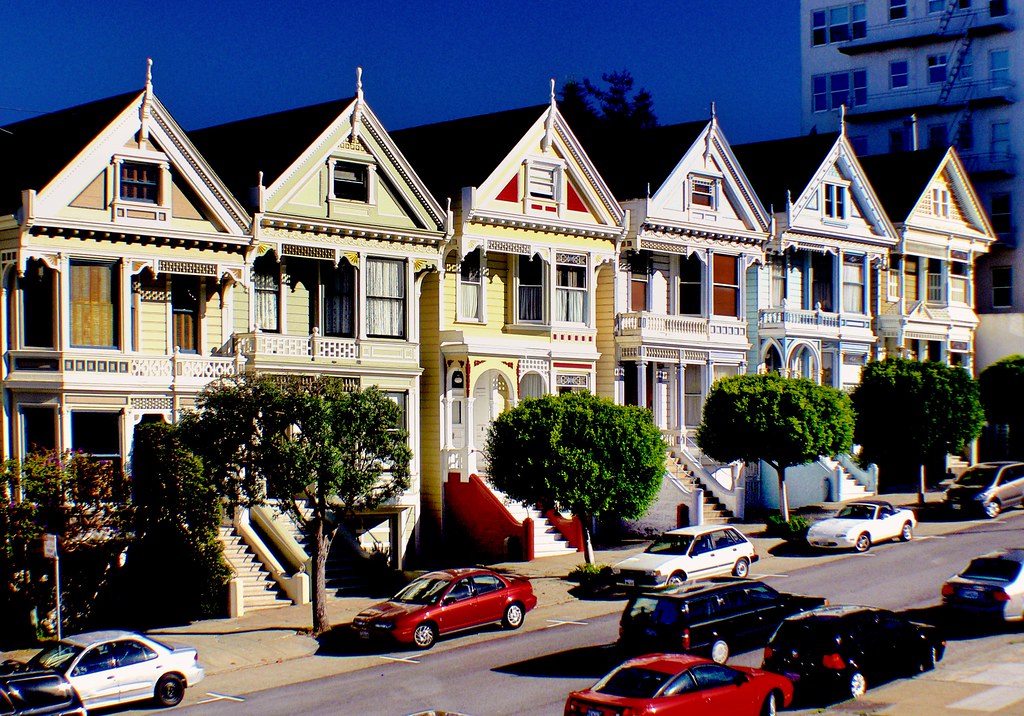
Purchasing a home in the Dominican Republic extends far beyond a mere real estate transaction; it’s an invitation to immerse yourself in a vibrant culture and embrace a distinct way of life. Understanding the daily rhythms, cultural nuances, and practicalities of living on the island is crucial for a fulfilling experience. This section delves into what you can expect as a resident, offering guidance on integrating into local communities and appreciating the Dominican ethos.The Dominican Republic offers a lifestyle characterized by warmth, community, and a deep appreciation for life’s simple pleasures.
Daily life often revolves around family, social gatherings, and the enjoyment of the island’s natural beauty. Expect a pace that is generally more relaxed than in many Western countries, with an emphasis on human connection. Mornings might begin with a strong cup of coffee and a chat with neighbors, followed by leisurely strolls or engaging in local activities. Evenings are often filled with music, dancing, and shared meals, reflecting the nation’s rich cultural heritage, a blend of Taíno, African, and Spanish influences.
The concept of “doing business” can sometimes involve more personal interaction and relationship building, a stark contrast to purely transactional encounters.
Daily Life Experiences and Cultural Nuances
Living in the Dominican Republic means embracing a culture that values hospitality and generosity. The concept of “calor humano,” or human warmth, is palpable in everyday interactions. You’ll find that Dominicans are generally very welcoming and eager to share their traditions and way of life. Sundays, in particular, are often dedicated to family, with many people attending church in the morning and spending the rest of the day with loved ones, often at the beach or a local park.
Food plays a central role in social life, with communal meals and sharing dishes being common. Be prepared for lively conversations, often accompanied by animated gestures, and an openness to new friendships. Music, particularly merengue and bachata, is an integral part of the cultural fabric and can be heard everywhere, from homes to public spaces. Understanding and respecting local customs, such as greeting elders with particular deference and being punctual for social, rather than business, appointments, will greatly enhance your integration.
Practical Tips for Local Integration and Cultural Etiquette
Effective integration into Dominican society involves a willingness to learn and adapt. A basic grasp of Spanish is highly beneficial, not only for practical communication but also as a sign of respect for the local culture. Simple greetings like “Buenos días” (Good morning), “Buenas tardes” (Good afternoon), and “Buenas noches” (Good evening) go a long way. When visiting someone’s home, it’s customary to bring a small gift, such as fruit or pastries.
During conversations, avoid interrupting and practice active listening. Personal space norms might differ, with people standing closer during conversations than what might be considered typical in other cultures. It’s also advisable to dress modestly when visiting religious sites or more traditional communities. Embracing the local pace of life, known as “Dominican time,” means being patient and understanding that schedules can be flexible.
Participating in local festivals and community events is an excellent way to connect with people and gain a deeper appreciation for their traditions.
Availability and Quality of Essential Services and Amenities
The availability and quality of essential services like healthcare, education, and transportation can vary significantly across different regions of the Dominican Republic. Major cities like Santo Domingo and Santiago boast modern hospitals with specialized medical care and international-standard private schools. However, in more rural or remote areas, access to these services may be more limited, often requiring travel to larger towns for advanced medical treatment or specialized education.
Public transportation is generally well-developed within cities, with guaguas (minibuses) and taxis being common. Intercity travel is facilitated by bus services. For those residing in upscale gated communities or popular tourist areas, amenities such as reliable internet, consistent electricity, and potable water are typically well-maintained. It is advisable to research the specific services available in your chosen location to ensure they meet your needs.
For instance, if you require specialized medical care, residing closer to a major urban center would be more practical. Similarly, access to high-speed internet is crucial for those who work remotely, and this is more readily available in developed areas.
Conceptual Daily Schedule in a Popular Dominican Republic Location
Let’s envision a conceptual daily schedule for someone who has recently purchased a home in a popular coastal area like Las Terrenas, known for its beautiful beaches and international community.* 7:00 AM – 8:00 AM: Wake up to the sounds of the Caribbean. Enjoy a freshly brewed Dominican coffee on your patio, perhaps accompanied by a piece of fresh fruit.
8
00 AM – 9:00 AM: A leisurely walk along the beach, observing local fishermen preparing their boats or enjoying the tranquility before the day fully begins.
9
00 AM – 10:00 AM: Engage with neighbors at a local colmado (corner store) for any morning essentials, exchanging pleasantries and practicing Spanish.
10
00 AM – 12:00 PM: If working remotely, dedicate this time to focused work, taking advantage of the reliable internet in this developed area. Alternatively, this could be a time for learning a new skill, such as local cooking or a craft.
12
00 PM – 1:30 PM: Lunch at a local beachfront restaurant, savoring fresh seafood and experiencing the relaxed dining atmosphere. This is an opportunity to observe and participate in local conversations.
1
30 PM – 3:00 PM: Siesta or relaxation time. Many Dominicans observe a midday rest, a practice that aligns well with the warm climate.
3
00 PM – 5:00 PM: Community engagement. This could involve attending a local language exchange group, volunteering at a community project, or simply socializing at a park. For instance, in Las Terrenas, there are often expat and local meetups.
Obtain recommendations related to beach homes for sale in florida that can assist you today.
5
00 PM – 7:00 PM: Leisure activity. Perhaps a yoga class overlooking the ocean, a swim, or exploring local artisan shops.
7
00 PM – 8:30 PM: Dinner. This might be a home-cooked meal using fresh ingredients from the local market, or joining friends at a restaurant to try new dishes and enjoy the evening ambiance.
8
30 PM onwards: Evening relaxation. This could involve listening to live music at a local bar, enjoying a quiet evening at home, or participating in a community event like a movie night or a dance class. The emphasis is on connection and enjoyment of the moment.
Closing Notes
In conclusion, navigating the Dominican Republic’s real estate market is an exciting endeavor, offering a blend of investment potential and an enviable Caribbean lifestyle. By understanding the diverse property types, financial landscapes, legal frameworks, and sought-after regions, prospective buyers can confidently secure their dream home. Engaging with local professionals, staying informed about market trends, and embracing the rich culture are key to a successful and fulfilling ownership experience.
This journey promises not just a property acquisition, but a gateway to a vibrant new life.
Questions and Answers
What are the typical property ownership costs for foreigners in the Dominican Republic?
Foreigners generally face similar property ownership costs as locals, including property transfer taxes (typically 3% of the property value), notary fees, and registration fees. There’s also an annual property tax (IPI) for properties valued above a certain threshold. It’s advisable to consult with a local real estate attorney for precise figures based on your specific purchase.
Is it possible to get a mortgage as a foreigner in the Dominican Republic?
Yes, it is possible for foreigners to obtain mortgages from Dominican banks, though eligibility criteria and loan-to-value ratios can vary. Typically, you’ll need to demonstrate a stable income, provide extensive financial documentation, and may need a significant down payment. Local banks often require proof of residency or a strong connection to the country.
What is the process for verifying property titles and ownership in the Dominican Republic?
Verifying property titles involves checking with the local Land Registry (Registro de Títulos) to ensure the title is clear, free of liens, and registered under the seller’s name. A lawyer will conduct a thorough title search and obtain a certificate of title (Certificado de Título) to confirm ownership and identify any encumbrances. This due diligence is crucial for a secure purchase.
Are there any restrictions on foreign ownership of beachfront property in the Dominican Republic?
While foreigners can generally own property, including beachfront locations, there are some nuances. Properties within a certain distance of the coastline may fall under specific regulations or require special permits, particularly those in protected areas or designated tourist zones. It’s essential to work with a legal professional who understands these regulations.