Florida homes offer a captivating blend of architectural diversity, financial considerations, and unique lifestyle opportunities. This exploration delves into the distinct styles that grace the Sunshine State, from the sun-drenched Mediterranean Revival to the sleek lines of Mid-Century Modern, each reflecting the state’s rich history and climate. Understanding the financial landscape, including pricing trends and financing options, is paramount for anyone considering making Florida their home or investment haven.
Beyond aesthetics and finances, the practicalities of owning a Florida home are shaped by its environment. This guide navigates the crucial role of home insurance, particularly in a region prone to natural phenomena, and explores how the climate itself influences design and ongoing maintenance. For those looking to invest, we uncover strategies for property evaluation and due diligence, ensuring informed decisions in this dynamic market.
Furthermore, we address the specific needs of out-of-state buyers and shed light on the legal framework that underpins property ownership in Florida, ultimately painting a complete picture of what it means to own a home in this vibrant state.
Unveiling the Diverse Architectural Styles Present in Florida Homes
Florida’s housing landscape is a vibrant tapestry woven from a rich history, diverse cultural influences, and the ever-present demands of a subtropical climate. This unique blend has resulted in a fascinating array of architectural styles, each telling a story of the past and adapting to the present. From the sun-drenched coastlines to the inland suburbs, these homes are more than just shelters; they are reflections of the Sunshine State’s evolving identity.The architectural journey of Florida homes is deeply intertwined with its historical periods and the distinct environmental conditions it experiences.
Early settlements and subsequent waves of immigration brought with them distinct design philosophies, which were then adapted and reimagined to suit Florida’s specific needs. The pervasive heat, humidity, and the threat of hurricanes have significantly influenced the functional aspects of these homes, prioritizing features that offer comfort, protection, and energy efficiency. This thoughtful integration of aesthetics and practicality is a hallmark of Florida’s residential architecture.
Architectural Influences Shaping Florida Residences
The architectural styles found in Florida are a testament to its rich history and its position as a cultural crossroads. These styles are not merely decorative; they often embody practical solutions to the region’s climate and have been shaped by the eras in which they were popularized.Mediterranean Revival, a style that evokes the charm of southern Europe, is particularly prevalent in coastal cities like Miami and Palm Beach.
Characterized by red tile roofs, stucco exteriors, arched doorways and windows, and wrought-iron details, this style was popularized in the early 20th century. It draws inspiration from Spanish and Italian Renaissance architecture, bringing a sense of timeless elegance to the sunny shores. The materials and design elements are well-suited to the coastal environment, offering durability and a classic aesthetic.Art Deco, another prominent style in South Florida, especially in Miami Beach’s historic district, emerged in the 1920s and 1930s.
This style is recognized for its geometric patterns, bold curves, streamlined forms, and decorative motifs like chevrons and sunbursts. Often featuring pastel colors, decorative glass blocks, and stylized ornamentation, Art Deco buildings are visually striking and exude a sense of glamour and optimism. Its emphasis on clean lines and smooth surfaces also lends itself well to the tropical climate, although some decorative elements might require specialized maintenance.Mid-Century Modern design, popular in the mid-20th century, can be found in many suburban areas across Florida.
This style prioritizes functionality, clean lines, and integration with the natural environment. Key features include large windows to maximize natural light and views, open floor plans, flat or low-pitched roofs, and the use of materials like concrete, glass, and wood. The emphasis on indoor-outdoor living, with features like patios and courtyards, is particularly well-suited to Florida’s warm climate, allowing residents to enjoy the abundant sunshine and breezes.Tropical vernacular styles are indigenous to Florida and have evolved organically over centuries to address the local climate.
These designs often incorporate features like wide, overhanging eaves to provide shade, large windows and screened porches to encourage cross-ventilation, and elevated foundations to mitigate flooding and allow air circulation underneath. Materials like wood, often painted in light colors, are common, reflecting a practical and responsive approach to building in a humid and hurricane-prone region. These homes prioritize passive cooling strategies, minimizing the need for excessive air conditioning.
Climate-Driven Design Features
The subtropical climate of Florida has been a powerful force in shaping the functional aspects of its homes, leading to the development of specific design features that enhance comfort, energy efficiency, and resilience.The pervasive heat and humidity necessitate strategies for effective cooling and ventilation. Many older and even some newer Florida homes feature:
- Wide, Overhanging Roofs: These eaves provide crucial shade for walls and windows, reducing solar heat gain and keeping the interior cooler. They also offer protection from heavy rainfall.
- Cross-Ventilation: The strategic placement of windows and doors on opposite sides of rooms allows for natural airflow, creating a cooling breeze without relying solely on air conditioning.
- Screened Porches and Lanai: These enclosed outdoor spaces extend the living area while providing protection from insects, allowing residents to enjoy the outdoors in comfort.
- Light-Colored Exteriors: Lighter colors reflect more sunlight and absorb less heat compared to darker colors, helping to keep the house cooler.
Resilience against tropical storms and hurricanes is another critical consideration. Architectural responses include:
- Elevated Foundations: Raising homes off the ground helps to protect against storm surge and flooding, a common concern in coastal and low-lying areas. This also promotes airflow beneath the house.
- Impact-Resistant Windows and Doors: Modern building codes increasingly mandate the use of windows and doors designed to withstand high winds and flying debris, significantly enhancing safety during storms.
- Strong Roof Structures: Roofs are designed with robust framing and anchoring systems to resist uplift forces from high winds.
Furthermore, the abundance of sunshine has influenced the use of natural light.
“Maximizing natural light is not just an aesthetic choice in Florida homes; it’s a functional one that reduces reliance on artificial lighting and can contribute to a sense of spaciousness and connection with the outdoors.”
Large windows, skylights, and open interior layouts are common features that leverage the plentiful sunlight, creating bright and airy living spaces.
Navigating the Financial Landscape of Acquiring a Florida Home

Embarking on the journey to own a home in Florida involves understanding its unique financial terrain. This section delves into the key economic factors, financing avenues, and ongoing costs that shape the homeownership experience in the Sunshine State, providing a comprehensive guide for prospective buyers.
Florida Home Pricing Trends and Influencing Factors
The price of a Florida home is a dynamic entity, significantly influenced by a confluence of regional market forces and broader economic indicators. Coastal areas, particularly those with desirable beaches and vibrant tourism, generally command higher price points due to sustained demand and limited buildable land. Conversely, inland communities or those further from major metropolitan centers might offer more affordable options, though accessibility to amenities and job markets can play a crucial role.
Factors such as proximity to employment hubs, quality of local schools, and the presence of recreational facilities are consistently strong drivers of value.Market dynamics, including inventory levels and buyer competition, also play a pivotal role. In a seller’s market, characterized by low inventory and high demand, bidding wars can drive prices upwards rapidly. Conversely, a buyer’s market, with more homes available than interested buyers, typically leads to more negotiable prices and potential for concessions.
Economic indicators like interest rate fluctuations, employment rates, and consumer confidence directly impact affordability and, consequently, home values. For instance, a rise in interest rates can decrease purchasing power, potentially softening price growth or even leading to slight declines in certain markets. Similarly, a robust local economy with job growth tends to bolster housing demand and prices.
“Location, amenities, and market conditions are the pillars upon which Florida home values are built.”
Florida Home Financing Options
Securing the right financing is a cornerstone of any successful home purchase in Florida. Prospective buyers have a range of mortgage types and down payment strategies to consider, each with its own set of implications. Traditional conventional loans remain a popular choice, often requiring a down payment ranging from 3% to 20% of the purchase price, with higher down payments typically leading to more favorable interest rates and potentially avoiding private mortgage insurance (PMI).Government-backed loans, such as FHA loans, are designed to assist borrowers with lower credit scores or smaller down payments, often requiring as little as 3.5% down.
VA loans, available to eligible veterans and active-duty military personnel, offer excellent terms, often with no down payment required and competitive interest rates. USDA loans are an option for those purchasing in eligible rural areas, also frequently featuring no down payment requirements.Interest rates are a critical component of mortgage affordability. They are influenced by national economic conditions, the Federal Reserve’s monetary policy, and the borrower’s creditworthiness.
Buyers are encouraged to shop around with multiple lenders to compare rates and fees, as even a small difference in interest rate can translate to tens of thousands of dollars saved over the life of a loan. Down payment considerations are also paramount. While larger down payments reduce the loan amount and monthly payments, many buyers opt for lower down payment options to preserve liquidity for closing costs, moving expenses, and immediate home improvements.
Comparative Overview of Florida Homeownership Costs
Owning a home in Florida entails ongoing expenses beyond the mortgage payment. These costs can vary significantly based on location, property type, and individual circumstances. Understanding these expenses upfront is crucial for accurate budgeting and financial planning.
| Cost Category | Average Florida Cost (Annual Estimate) | Factors Influencing Cost | Notes |
|---|---|---|---|
| Property Taxes | $1,500 – $4,000+ | Assessed property value, millage rates set by local government, homestead exemptions. | Florida’s Save Our Homes amendment caps annual assessment increases to 3% for homesteaded properties. |
| Homeowners Insurance | $1,000 – $5,000+ | Location (coastal vs. inland), flood zone, hurricane risk, property age and construction, deductible. | Crucial due to hurricane risk; flood insurance is often separate and highly recommended, especially in coastal areas. |
| Maintenance & Repairs | $1,000 – $3,000+ | Age of home, size of property, climate (wear and tear from sun/humidity), DIY vs. professional services. | Budgeting for preventative maintenance can save significant costs on major repairs down the line. |
| Utilities | $200 – $500+ per month | Size of home, insulation, energy efficiency of appliances, usage habits, electricity rates. | Air conditioning usage significantly impacts electricity bills, especially during warmer months. |
These figures are estimates and can fluctuate. For example, properties in high-risk hurricane zones or flood zones will invariably have higher insurance premiums. Similarly, older homes may require more frequent and costly maintenance. The homestead exemption, available to Florida residents who own and occupy their primary residence, can provide significant relief on property taxes. Prospective buyers are advised to obtain specific quotes for insurance and research local property tax rates for their target areas to create a precise financial picture.
Understanding the Crucial Role of Home Insurance in Florida’s Unique Environment
Florida’s beautiful coastline and tropical climate come with a unique set of risks, making robust home insurance not just a recommendation, but a necessity. The Sunshine State’s susceptibility to hurricanes, tropical storms, and associated flooding means that standard homeowner’s policies often fall short. Understanding the specific coverages available and their importance is paramount for protecting your investment and peace of mind.The Sunshine State’s geographic location and its frequent encounters with severe weather phenomena significantly influence the cost and availability of home insurance.
Coastal areas are particularly vulnerable to storm surge and high winds, while inland regions can experience substantial rainfall leading to flooding. These environmental factors directly translate into higher premiums and, in some cases, specialized policy requirements to ensure adequate protection against a range of potential perils.
Essential Insurance Coverage Types for Florida Homeowners
Florida homeowners need to be aware of several critical insurance policies that go beyond a standard homeowner’s package to adequately cover their property against the state’s unique risks. These specialized policies are designed to address perils that are either excluded or inadequately covered by traditional insurance.
- Flood Insurance: This is arguably one of the most vital policies for Florida residents. Standard homeowner’s insurance policies typically do not cover damage caused by flooding, whether from heavy rainfall, storm surge, or overflowing bodies of water. Flood insurance is usually obtained through the National Flood Insurance Program (NFIP) or from private flood insurance providers. It covers structural damage to the home, as well as damage to personal belongings within the home, up to the policy limits.
Given Florida’s low elevation and proximity to the coast, flood risk is a significant concern for many homeowners.
- Windstorm Insurance: While a standard homeowner’s policy may offer some coverage for wind damage, it often has a separate, higher deductible for named storms or hurricanes. In some high-risk coastal areas, windstorm coverage might be excluded entirely from a standard policy and require a separate policy. The Florida Windstorm Underwriting Association (FWUA), also known as Citizens Property Insurance Corporation, is a state-backed insurer that provides windstorm coverage for those who cannot obtain it in the private market.
This coverage is essential for protecting against structural damage from high winds and flying debris during tropical storms and hurricanes.
- Hazard Insurance: This term is often used interchangeably with homeowner’s insurance, but in Florida’s context, it’s important to understand what it encompasses. A comprehensive hazard policy typically covers damage from fire, lightning, vandalism, and other perils not specifically excluded. However, as mentioned, it’s crucial to verify that windstorm and flood damage are adequately addressed, either within the hazard policy itself or through separate endorsements or policies.
Factors Influencing Florida Home Insurance Premiums and Requirements
Florida’s unique geographical position and its high susceptibility to natural disasters, particularly hurricanes, directly impact the cost and specific requirements of home insurance policies. Insurers assess risk based on a multitude of factors, leading to variations in premiums across different regions and even within neighborhoods.The proximity to the coast is a primary driver of risk. Homes located in coastal zones are more vulnerable to storm surge, high winds, and subsequent damage during hurricanes.
Remember to click homes mobile homes to understand more comprehensive aspects of the homes mobile homes topic.
This increased risk translates into higher premiums. Similarly, areas prone to heavy rainfall and subsequent inland flooding will also see higher insurance costs. The age and construction of the home also play a significant role. Older homes, especially those built before modern building codes were implemented, may be more susceptible to damage from wind and rain, leading to increased insurance costs.
Building materials, roof type, and the presence of hurricane shutters or impact-resistant windows can all influence premiums, often leading to discounts for homes built or retrofitted to withstand severe weather.Furthermore, the overall claims history of an insurer in Florida, and the state’s regulatory environment, also contribute to premium levels. When insurers face a high volume of claims due to frequent natural disasters, they often adjust their rates to cover these losses.
When investigating detailed guidance, check out Houses for Sale in Dominican Republic now.
The state’s unique insurance market, which has seen some insurers withdraw or significantly increase rates, also affects the landscape for homeowners.
Guide to Assessing Risk and Selecting Appropriate Insurance Coverage
Navigating the complexities of Florida home insurance requires a proactive approach to understanding your specific risks and selecting coverage that offers adequate protection. This process involves a thorough assessment of your property and a clear understanding of policy details.Here is a guide to help homeowners make informed decisions:
- Evaluate Your Property’s Location and Flood Zone: Determine your home’s precise location relative to the coast and identify its flood zone designation. Resources like FEMA’s Flood Map Service Center can provide this information. Properties in higher-risk flood zones will necessitate flood insurance and will likely have higher premiums.
- Assess Your Home’s Structural Integrity and Age: Consider the age of your home, its construction materials, and its overall condition. Older homes or those built before current building codes may require more robust coverage or retrofitting. Look for features that enhance resilience, such as impact-resistant windows and doors, a well-maintained roof, and reinforced garage doors.
- Review Your Existing Homeowner’s Policy Carefully: Thoroughly read your current homeowner’s insurance policy, paying close attention to exclusions, deductibles, and coverage limits. Understand what perils are covered and what are not, especially concerning windstorm and flood damage.
- Understand Deductible Options: Homeowners insurance policies often offer different deductible levels. A higher deductible typically results in a lower premium, but it means you’ll pay more out-of-pocket in the event of a claim. Conversely, a lower deductible means a higher premium but less out-of-pocket expense. Consider your financial capacity to absorb a deductible when making this choice.
- Determine Appropriate Coverage Limits: Ensure your dwelling coverage is sufficient to rebuild your home at current construction costs. This is not necessarily the market value of your home, but the cost to reconstruct it from the ground up. Also, consider adequate coverage for other structures on your property (like detached garages or sheds) and for your personal belongings.
- Obtain Multiple Quotes: Shop around and get quotes from several different insurance companies, including both private insurers and potentially Citizens Property Insurance Corporation, especially for windstorm coverage if needed. Compare not only premiums but also coverage details, deductibles, and the financial stability of the insurers.
- Consider Endorsements and Additional Coverages: Explore optional endorsements that can enhance your policy. This might include coverage for replacement cost on personal property (rather than actual cash value) or additional living expenses if your home becomes uninhabitable due to a covered loss.
- Consult with an Independent Insurance Agent: An experienced independent insurance agent who specializes in Florida homeowners insurance can be an invaluable resource. They can help you assess your unique risks, explain policy options, and find the best coverage at a competitive price.
Exploring the Impact of Florida’s Climate on Home Design and Maintenance
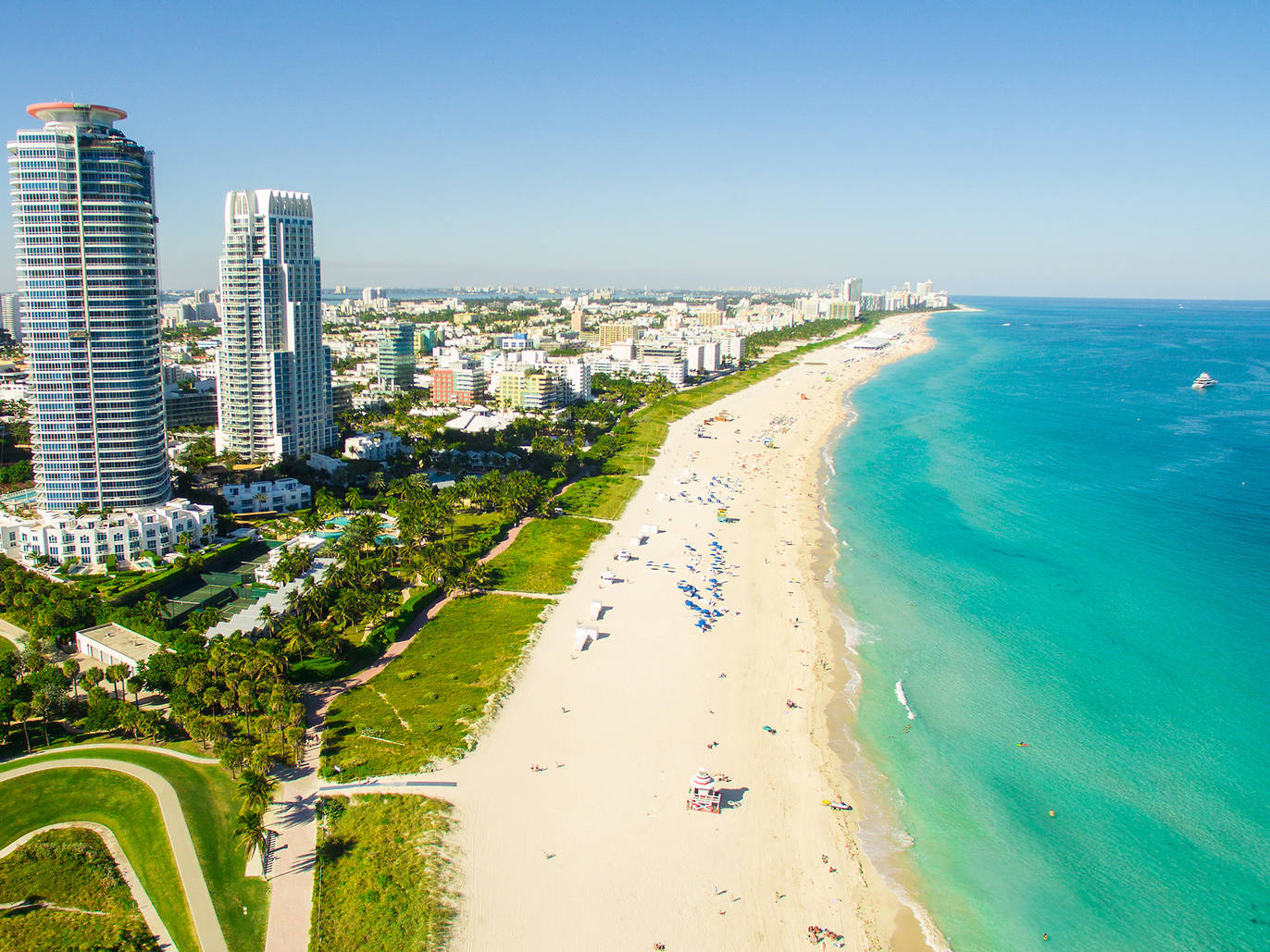
Florida’s unique climate, characterized by its subtropical and tropical influences, profoundly shapes the way homes are designed, built, and maintained. Understanding these environmental factors is crucial for ensuring longevity, comfort, and efficiency in any Florida residence. The constant presence of warmth, humidity, and intense sunlight dictates specific architectural approaches and ongoing care requirements.The subtropical and tropical climate of Florida significantly influences building materials, structural design, and energy efficiency in homes.
Finish your research with information from Home Bar Wall Decor Ideas.
High temperatures and humidity necessitate materials that can withstand moisture and prevent the growth of mold and mildew. This often translates to the use of concrete block construction, impact-resistant windows and doors, and specialized roofing materials designed to reflect solar heat and resist wind uplift during hurricanes. Structural design also prioritizes ventilation, with features like raised foundations to allow for air circulation beneath the home and strategically placed windows to facilitate cross-breezes.
Energy efficiency is paramount, leading to the widespread adoption of high-performance insulation, energy-efficient appliances, and HVAC systems designed to combat the constant cooling demands of the climate.
Common Maintenance Challenges for Florida Homeowners
Florida homeowners frequently encounter specific maintenance challenges stemming directly from the pervasive humidity, corrosive salt air along coastal regions, and the relentless intensity of the sun. These elements can accelerate wear and tear on various aspects of a home, requiring proactive and consistent upkeep to mitigate damage and maintain structural integrity.Humidity is a constant battle, fostering mold and mildew growth on exterior surfaces, within attics, and even on interior walls if ventilation is inadequate.
This can lead to aesthetic issues, as well as potential health concerns and structural degradation. Salt air, particularly in coastal communities, is highly corrosive. It can rapidly degrade metal components, including roofing, gutters, window frames, and even exterior paint, leading to rust, corrosion, and premature failure. The intense sun exposure, while providing abundant natural light, also contributes to the fading and degradation of exterior paints and sealants, and can cause materials like vinyl siding to become brittle over time.
Furthermore, the constant need for air conditioning to combat the heat and humidity results in higher energy bills and increased wear on HVAC systems, requiring regular servicing and filter changes.
Sustainable and Climate-Resilient Home Features for Florida
To address the unique environmental demands of Florida’s climate, a focus on sustainable and climate-resilient home features is essential. These solutions not only enhance a home’s ability to withstand the elements but also contribute to long-term energy savings and reduced environmental impact.Here are some innovative solutions suitable for Florida’s climate:
- Cool Roof Technologies: Utilizing roofing materials with high solar reflectance and thermal emittance can significantly reduce the amount of heat absorbed by the roof, lowering indoor temperatures and decreasing reliance on air conditioning. This can include reflective coatings, specialized shingles, or metal roofing systems.
- Advanced Window and Door Systems: Investing in impact-resistant windows and doors not only provides protection against hurricane-force winds and debris but also offers superior insulation, reducing heat transfer and improving energy efficiency. Low-E coatings further enhance their performance by reflecting solar heat.
- Smart Ventilation Systems: Employing intelligent ventilation solutions, such as whole-house fans with humidity sensors or energy recovery ventilators (ERVs), can effectively manage indoor air quality, remove excess moisture, and pre-condition incoming fresh air, thereby reducing the load on HVAC systems.
- Drought-Tolerant Landscaping (Xeriscaping): Designing outdoor spaces with native, drought-resistant plants minimizes the need for extensive irrigation, conserving water resources and reducing maintenance. This also helps to create a more natural and resilient landscape that can better withstand dry spells.
- Permeable Paving Solutions: Utilizing permeable materials for driveways and walkways allows rainwater to infiltrate the ground, reducing stormwater runoff and the risk of localized flooding, which can be exacerbated by heavy rainfall events common in Florida.
- Elevated Construction: In flood-prone areas, elevating homes on stilts or piers is a critical resilience strategy that protects the structure from storm surge and tidal flooding, a common threat along Florida’s extensive coastline.
- Integrated Solar Energy Systems: Incorporating solar panels into the home’s design not only generates clean, renewable energy but can also offset the high electricity consumption associated with cooling, leading to significant cost savings and a reduced carbon footprint.
Investigating the Unique Community and Lifestyle Offerings Within Florida Residential Areas: Florida Homes
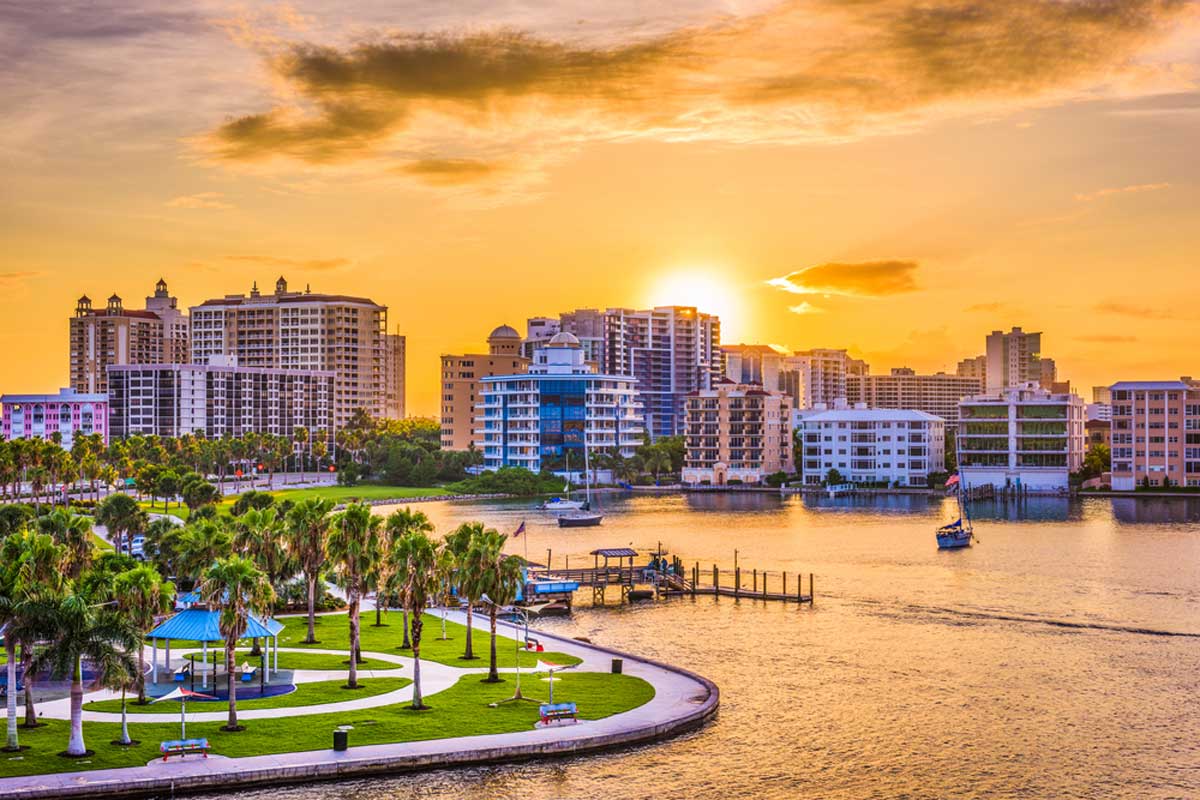
Florida’s allure extends far beyond its picturesque beaches and sunny skies; it lies deeply embedded in the vibrant tapestry of its residential communities and the distinct lifestyles they cultivate. From the bustling energy of its major cities to the serene rhythms of its coastal havens, each locale offers a unique flavor of Floridian living, catering to a diverse range of preferences and aspirations.
Understanding these nuances is paramount for anyone considering making the Sunshine State their home, as it directly influences daily life, social interactions, and overall well-being.The Sunshine State is a mosaic of residential experiences, each meticulously crafted by its geography, history, and the people who call it home. These communities are not merely collections of houses; they are dynamic ecosystems where culture, recreation, and social fabric intertwine to create a truly Floridian way of life.
Whether one seeks the pulse of urban excitement or the quietude of a coastal retreat, Florida presents an array of options that promise a fulfilling and engaging living experience.
Urban Hubs and Their Cultural Vibrancy, Florida homes
Florida’s major metropolitan areas, such as Miami, Orlando, Tampa, and Jacksonville, are characterized by their dynamic urban cores and a rich offering of cultural experiences. These cities are melting pots of diverse populations, fostering a lively atmosphere that blends international influences with local traditions. Residents enjoy access to world-class dining, a thriving arts scene with numerous galleries and performance venues, and a packed calendar of festivals and events that celebrate everything from culinary delights to diverse cultural heritage.
The public transportation systems in these cities, while varying in efficiency, often provide avenues for residents to navigate and engage with the urban landscape without constant reliance on personal vehicles.For those drawn to the energy of city life, community engagement often revolves around shared interests and accessible amenities. This can manifest in neighborhood associations that organize local events, volunteer opportunities within city-wide initiatives, or participation in the myriad of recreational sports leagues and fitness clubs.
The sheer density of people in urban settings naturally fosters a sense of interconnectedness, albeit sometimes in a more transient manner compared to smaller towns.
Coastal Communities and Leisurely Pursuits
Florida’s extensive coastline provides a backdrop for a unique lifestyle centered around the water and outdoor recreation. Beachfront communities, from the upscale enclaves of South Florida to the laid-back charm of the Gulf Coast, offer residents a daily dose of sun, sand, and sea. Life here is often dictated by the ebb and flow of the tides, with activities like swimming, sunbathing, boating, fishing, and paddleboarding being integral to the daily routine.
Many of these areas boast a strong sense of community, often fostered through shared access to private beaches, community pools, and waterfront parks.Beyond the immediate beach access, these communities frequently feature a variety of recreational facilities. Golf courses are abundant, catering to enthusiasts of all skill levels. Marinas provide docking and sailing opportunities, while nature preserves and state parks offer trails for hiking and birdwatching, allowing residents to connect with Florida’s rich natural biodiversity.
The social fabric in coastal towns often emphasizes a relaxed, unhurried pace of life, where impromptu gatherings at local cafes or sunset strolls along the shore are common.
Suburban Sanctuaries and Family-Centric Living
Florida’s suburban areas offer a blend of community living with convenient access to urban amenities. These neighborhoods are often characterized by manicured lawns, family-friendly parks, and a strong emphasis on local schools and community centers. The lifestyle here tends to be more structured, with a focus on family activities, youth sports, and neighborhood events designed to foster a sense of belonging.
Many suburban developments include amenities such as community pools, playgrounds, and walking trails, encouraging outdoor activity and social interaction among residents.Community engagement in suburban settings often takes the form of parent-teacher associations, local sports leagues, and homeowner association-organized events. These activities create opportunities for neighbors to connect, build relationships, and support one another. The demographic trends in these areas often reflect a growing number of families seeking a balance between a peaceful residential environment and proximity to employment centers and cultural attractions.
Retirement Havens and Active Adult Lifestyles
Florida is renowned as a premier destination for retirees, and its dedicated retirement communities and active adult enclaves offer a specialized lifestyle. These areas are designed to cater to the needs and interests of older adults, often featuring abundant social activities, fitness programs, and healthcare services. The emphasis is on maintaining an active, engaged, and healthy lifestyle, with community centers serving as hubs for everything from card games and book clubs to exercise classes and organized day trips.The social fabric in these communities is particularly strong, as residents often share similar life stages and interests.
This can lead to a profound sense of camaraderie and mutual support. The demographic is predominantly individuals aged 55 and older, creating a cohesive social environment. Recreational offerings are tailored to this group, including golf, shuffleboard, pickleball, and various arts and crafts. The evolving social fabric here reflects a desire for continued independence, social connection, and access to amenities that enhance quality of life during retirement.
Understanding the Legal Framework Governing Property Ownership in Florida
Navigating the purchase and ownership of a home in Florida involves understanding a robust legal framework designed to protect property rights and ensure fair transactions. This framework encompasses fundamental property laws, specific protections for homeowners, and distinct legal structures for various types of residences. A thorough grasp of these elements is crucial for any prospective or current Florida homeowner.Florida law is built upon common law principles, with statutes enacted by the state legislature providing detailed regulations for real estate.
These laws govern everything from contract formation for property sales to the recording of deeds and mortgages, ensuring that ownership is clearly established and publicly accessible. The Department of Business and Professional Regulation, through its Real Estate Commission, oversees licensing and ethical standards for real estate professionals, further safeguarding consumers.
Homestead Exemptions and Legal Protections
Florida offers significant legal protections to property owners, with the homestead exemption being a cornerstone. This exemption provides substantial protection against creditors, ensuring that a primary residence cannot be forcibly sold to satisfy most debts. This protection extends to a limited amount of acreage, depending on whether the property is located within a municipality. Beyond homestead protection, Florida law also mandates specific disclosure requirements for sellers and Artikels procedures for property disputes and title claims, aiming to foster transparency and security in property ownership.
The Florida Constitution explicitly protects the homestead of a family residing in the state from forced sale by creditors.
Types of Property Ownership in Florida
Florida offers several common forms of property ownership, each with unique legal structures and implications for owners. Understanding these differences is vital when choosing a property that aligns with your lifestyle and financial goals.
Single-Family Homes
When purchasing a single-family home in Florida, the owner typically holds fee simple title. This means you own the land and the structure outright, granting you the most comprehensive rights and responsibilities. You have the freedom to modify, rent, or sell the property, subject to local zoning ordinances and any covenants, conditions, and restrictions (CC&Rs) that may be part of a homeowners’ association (HOA).
Fee simple ownership represents the highest form of property ownership, granting maximum rights and control to the owner.
Condominiums
Condominium ownership involves owning your individual unit outright, along with an undivided interest in the common elements of the building or community. These common elements include amenities like pools, clubhouses, hallways, and the land itself. Ownership is governed by a condominium association, which manages the property and enforces rules through CC&Rs. Owners pay monthly or annual fees to the association to cover maintenance, insurance, and operational costs for the common areas.
Condominium ownership combines individual unit ownership with shared ownership and responsibility for common areas.
Townhouses
Townhouse ownership can vary but often resembles a hybrid of single-family and condominium ownership. Typically, a townhouse owner holds fee simple title to the interior and exterior of their unit, including the land directly beneath it. However, like condominiums, townhouses are usually part of a community with shared common areas and amenities, managed by an HOA. The HOA is responsible for maintaining these shared spaces, and owners pay regular fees.
The legal structure ensures a balance between individual property control and collective community upkeep.
Townhouse ownership typically involves fee simple title to the unit while sharing ownership and maintenance responsibilities for common areas through an HOA.
Showcasing Sustainable and Energy-Efficient Features in Modern Florida Homes
In the Sunshine State, where abundant sunshine and tropical humidity are defining characteristics, modern Florida homes are increasingly embracing innovative strategies to enhance energy efficiency and environmental sustainability. This shift is driven by a desire to reduce utility costs, minimize environmental impact, and create more comfortable living spaces that are in harmony with the local climate. Contemporary builders and homeowners are recognizing that thoughtful design and material selection can significantly improve a home’s performance, making it more resilient and cost-effective in the long run.The integration of advanced building techniques and materials is at the forefront of this movement.
High-performance insulation, often exceeding standard requirements, plays a crucial role in maintaining consistent indoor temperatures, reducing the load on HVAC systems. This includes the use of spray foam insulation, rigid foam boards, and advanced fiberglass batt systems that create a superior thermal barrier. Furthermore, the selection of windows and doors is paramount. Low-emissivity (Low-E) coated, double or triple-paned windows with inert gas fills significantly reduce heat transfer, blocking solar heat gain during the intense summer months and retaining warmth during cooler periods.
Impact-resistant glass, a necessity in hurricane-prone Florida, also contributes to energy efficiency by providing an additional layer of insulation. The building envelope itself is often designed with advanced framing techniques that minimize thermal bridging, ensuring that heat doesn’t easily escape or enter the home through structural components.
Smart Home Technologies and Renewable Energy Integration
The incorporation of smart home technologies and renewable energy solutions is transforming how Florida residences consume and manage energy. These integrated systems offer homeowners unprecedented control over their energy usage, leading to significant savings and a reduced carbon footprint.Smart thermostats are a prime example, learning household patterns and adjusting temperature settings automatically to optimize comfort and minimize energy waste when the home is unoccupied.
Smart lighting systems allow for remote control, dimming capabilities, and scheduling, further reducing electricity consumption. Beyond these conveniences, renewable energy sources are becoming increasingly prevalent. Solar panels, both photovoltaic (PV) for electricity generation and solar thermal for water heating, are a common sight on Florida rooftops. Advances in battery storage technology are allowing homeowners to store excess solar energy generated during the day for use at night or during power outages, increasing energy independence.
Some communities are even exploring microgrid solutions, where clusters of homes can generate and share energy, enhancing grid resilience.
Passive Design Principles for Optimal Comfort and Reduced Consumption
Passive design principles are being thoughtfully applied to Florida homes, leveraging natural elements to create comfortable living environments while drastically reducing reliance on mechanical systems. This approach focuses on understanding and working with the local climate rather than fighting against it.The strategic placement and design of windows are key. For instance, large, well-placed windows on the north and south facades can maximize natural daylight, reducing the need for artificial lighting during the day.
Overhangs and awnings are crucial for shading these windows from the high-angle summer sun, preventing excessive heat gain. On the other hand, windows on the east and west, which receive more intense, lower-angle sun, are often minimized or protected with carefully designed landscaping and shading devices.Natural ventilation is another cornerstone of passive design in Florida. Creating cross-ventilation pathways by strategically placing operable windows on opposite sides of a room or house allows cooler outdoor air to flow through, dissipating heat and providing fresh air.
Stack ventilation, where warm air rises and exits through higher openings like clerestory windows or roof vents, can also be employed to draw cooler air in from lower openings. This creates a natural air current that significantly reduces the need for air conditioning.Furthermore, the use of high thermal mass materials in certain areas, like concrete floors or masonry walls, can help to absorb heat during the day and release it slowly at night, moderating indoor temperatures.
The selection of roofing materials also plays a role; light-colored, reflective roofing can significantly reduce the amount of solar heat absorbed by the building, keeping the attic and the rest of the house cooler. The goal is to create a home that breathes with its environment, utilizing natural forces to maintain a comfortable interior temperature and minimize energy expenditure.
Exploring the Impact of Future Development Trends on Florida’s Housing Market
Florida’s housing market is a dynamic entity, constantly shaped by a confluence of factors that include evolving urban planning strategies, significant population influx, and technological innovation. Understanding these future development trends is crucial for anyone looking to invest in, purchase, or even simply reside within the Sunshine State’s residential landscape. The state’s unique geographical position and appeal continue to draw both domestic and international attention, necessitating a forward-thinking approach to housing development and market analysis.The trajectory of Florida’s housing market will be profoundly influenced by how it adapts to increasing population density and the imperative for sustainable growth.
Emerging trends in urban planning are not merely about building more homes, but about building smarter, more resilient communities that can withstand environmental challenges and enhance the quality of life for their residents. This proactive approach is essential for maintaining property values and ensuring long-term housing affordability and desirability.
Urban Planning and Residential Development Innovations
Current and upcoming urban planning initiatives in Florida are increasingly focused on creating mixed-use developments, fostering walkable communities, and integrating green spaces. These approaches aim to reduce urban sprawl, improve transportation efficiency, and create more vibrant, interconnected neighborhoods. For instance, many new master-planned communities are being designed with a focus on providing residents with convenient access to shopping, dining, recreation, and employment centers, thereby reducing reliance on personal vehicles.
This shift towards more holistic community design is a direct response to growing consumer demand for convenience and a better work-life balance.Furthermore, there’s a significant push towards developing “15-minute cities” or similar concepts, where essential amenities are within a short walk or bike ride from residential areas. This trend is particularly relevant in Florida’s growing metropolitan areas like Orlando, Tampa, and Miami, where congestion can be a significant issue.
Developers are also exploring adaptive reuse of existing commercial spaces and brownfield sites to create new residential opportunities, thereby minimizing the environmental impact of new construction.
Infrastructure Improvements and Population Growth Dynamics
The continuous influx of new residents into Florida, coupled with ongoing infrastructure development, is a primary driver of housing demand and property value appreciation. Major infrastructure projects, such as expansions to transportation networks (highways, public transit, and airports) and enhancements to utility services, directly correlate with increased housing demand in adjacent areas. For example, the expansion of the SunRail commuter train system in Central Florida has stimulated residential development and increased property values along its corridors.Population growth, fueled by both domestic migration and international immigration, creates a consistent demand for housing across all segments of the market, from single-family homes to condominiums and rental apartments.
This sustained demand, often outpacing the rate of new construction, is a key factor in the observed rise in property values. The state’s attractive tax policies and favorable climate continue to be significant magnets for retirees and remote workers, further bolstering housing demand.
Technological Advancements and Evolving Consumer Preferences
The concept of a Florida home is poised for a significant redefinition driven by technological advancements and evolving consumer preferences. We can anticipate a future where smart home technology is not just an add-on but an integral feature, enhancing security, energy efficiency, and convenience. This includes integrated systems for climate control, lighting, security, and even automated home maintenance alerts.
The future Florida home will likely embrace a seamless integration of technology and sustainability, prioritizing occupant well-being and environmental responsibility.
Moreover, the rise of remote work is influencing home design, with a greater emphasis on dedicated home office spaces, flexible living areas, and robust internet connectivity. Consumers are increasingly seeking homes that offer a blend of comfort, functionality, and aesthetic appeal, often with an emphasis on indoor-outdoor living, which is a natural fit for Florida’s climate. Expect to see more homes designed with advanced energy-efficient features, such as solar panels, smart thermostats, and high-performance insulation, driven by both environmental consciousness and the desire to reduce utility costs.
The incorporation of resilient building materials and design elements to combat the effects of extreme weather events will also become more prevalent, reflecting a growing awareness of climate-related risks. The speculative outlook suggests a move towards more modular and prefabricated construction methods, potentially offering faster build times and cost efficiencies, further catering to the demand for innovative and adaptable living spaces.
Conclusive Thoughts
From the allure of diverse architectural styles and the intricacies of financial planning to the essential protections of home insurance and the impact of Florida’s unique climate, this comprehensive overview has illuminated the multifaceted world of Florida homes. We’ve touched upon strategic property investment, the nuances of buying from afar, and the vibrant lifestyle communities that define the Sunshine State.
As we look to the future, emerging development trends promise to further shape this ever-evolving housing market. Ultimately, understanding these key elements empowers prospective homeowners and investors alike to make informed decisions and truly embrace the Florida living experience.
Expert Answers
What are the most common architectural styles found in Florida homes?
Florida homes showcase a variety of styles including Mediterranean Revival, Art Deco, Mid-Century Modern, and tropical vernacular, influenced by history, climate, and regional trends.
What are the typical costs associated with owning a home in Florida besides the mortgage?
Beyond the mortgage, homeowners in Florida should budget for property taxes, homeowners insurance (including flood and windstorm coverage), potential HOA fees, and regular maintenance due to the climate.
How does Florida’s climate specifically impact home maintenance?
The humid, salty air and intense sun exposure in Florida can lead to issues like mold growth, corrosion of exterior materials, fading paint, and increased wear on roofing and HVAC systems, requiring diligent upkeep.
Are there any specific legal considerations for out-of-state residents buying property in Florida?
Out-of-state buyers should be aware of Florida’s property laws, consider engaging a local real estate attorney, and understand the process for remote closings, inspections, and title insurance.
What are the advantages of investing in Florida real estate?
Florida’s strong tourism, growing population, favorable tax environment (no state income tax), and potential for property appreciation make it an attractive market for real estate investment, particularly in rental properties.